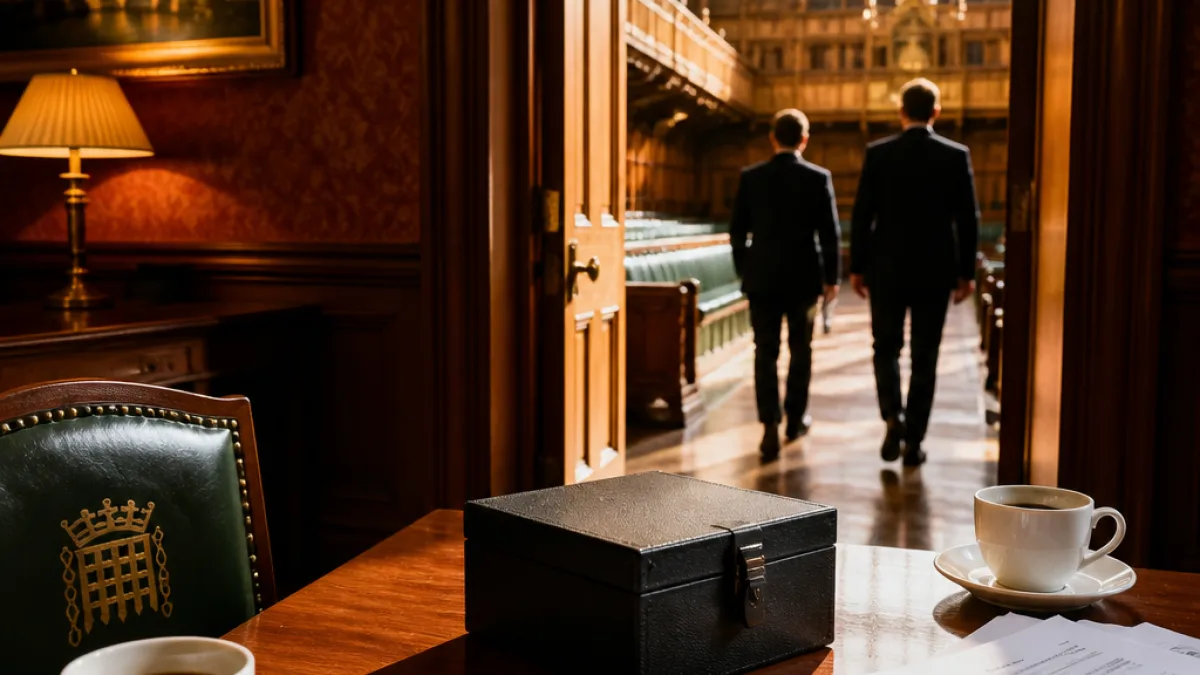
As Parliament rose for the summer, Westminster corridors were pervaded by a rare sense of uncertainty. Reports suggest that Andy Burnham’s plans for his prospective Cabinet are being shaped by a very small team, a practice now widely referred to across Westminster as the "black box". The arrangement has left MPs and ministers unsure of their prospects and unsettled at the apparent centralisation of power.
Who is inside the box?
According to those briefed on events, the core decision‑making group comprises Andy Burnham himself, close ally Louise Haigh and his new chief of staff, James Purnell. Individuals outside this inner circle say they can only listen to rumours, attempt to make queries and form educated guesses about future appointments — but cannot be sure of outcomes until the trio decide.
- Burnham is reported to be directing key decisions from a tight inner team.
- Senior Labour figures and many supporting MPs are said to be out of the loop.
- The approach is causing palpable unease across Westminster.
Reaction in Westminster
The approach has generated frustration and, in some quarters, levity used to mask concern. Wes Streeting — who until recently was a leadership contender — is reported to have made a joke at a parliamentary social event, reflecting the nervousness felt by former rivals about their prospects. Senior Labour figures named as uncertain over coveted roles include Angela Rayner, Ed Miliband and Lucy Powell.
"There is no guarantee whether key figures of the soft‑left ... will get the roles that they covet."
Precedent and implications
This is not the first time the same strategy has been used by Mr Burnham. When he was seeking a seat at a previous byelection, he is reported to have relied on a similar closed approach — at that time, speculation about who might stand down reached fever pitch before communications fell quiet when the decisive moment arrived. Those involved say the tactic effectively limits bargaining power for ministers and potential rivals.
| Named individuals | Role (as reported) |
|---|---|
| Andy Burnham | Central decision‑maker |
| Louise Haigh | Close confidante |
| James Purnell | Chief of staff / old cabinet colleague |
For many inside Westminster the issue is less about personalities than process. The concentration of influence within a small circle changes how bargaining and allocation of ministerial office typically operate. With limited channels for negotiation, larger parts of the Parliamentary Labour Party and other senior figures find themselves largely reduced to waiting.
The next stages — public announcements of ministerial appointments and the early conduct of government business — will determine whether the "black box" proves an efficient means of establishing control or a source of sustained disquiet within the party and across Westminster.