Recess begins and focus shifts away from the chamber
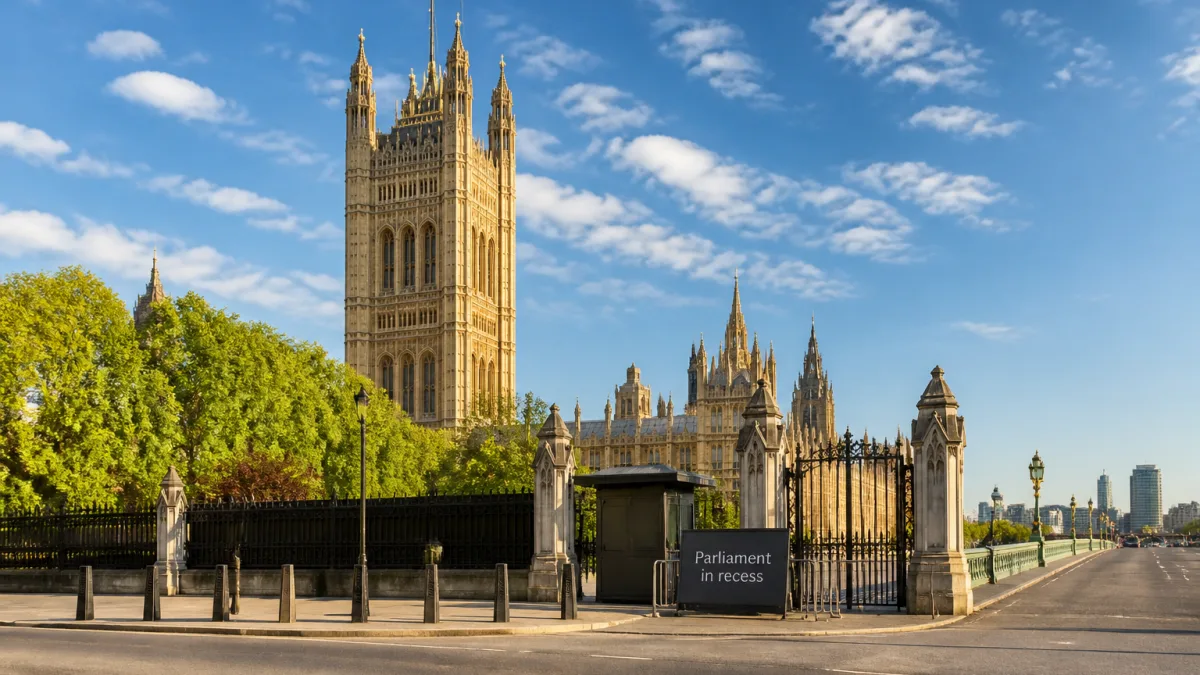
Parliament has moved into its summer break this week, a scheduled pause in the formal timetable that means no debates or votes will take place in the Commons or Lords until sittings resume. During this period, Westminster’s legislative business is largely on hold, while Members of Parliament typically spend more time on constituency work, engaging with residents, businesses and local organisations.
In a column for a regional outlet, one MP described how the coming weeks would be used to meet people and groups across her patch, reflecting the pattern many MPs follow during recess. She wrote that recent months in Parliament had been used to raise local concerns with ministers and departments, and that the coming break would be spent stepping up activity closer to home.
“This week, Parliament rises for the summer recess… more time in [the constituency], meeting residents, visiting businesses, and spending time with the people and organisations that make our area what it is.”
While chamber business pauses, government departments continue operating, and MPs’ constituency offices remain open for casework. Parliamentary questions, votes and bill stages do not take place during recess; however, select committees can publish reports, and ministers may still issue statements or guidance as necessary. For those living and working around the Palace of Westminster, that typically translates into fewer sitting-day pressures in the parliamentary estate, though routine security and estate operations continue as normal.
Issues MPs say they have pressed in recent months
In setting out recent activity, the MP highlighted topics raised in the House and with ministers since the start of the year, ranging from local health provision to the position of volunteers and pressures on coastal economies. The themes cited included hospital services and access to care, the role of volunteer responders, and the costs facing tourism and hospitality businesses.
| Theme | Parliamentary focus described |
|---|---|
| Local health services | Questions about future of inpatient provision and access to care |
| Volunteer roles | Concerns over changes affecting coastguard volunteers |
| Tourism and hospitality | Impact of higher costs and employment rules on businesses |
| Maternity and health conditions | Issues around maternity services, hearing loss and meningitis |
The member framed these interventions as arising from discussions with residents, businesses, volunteers and campaigners, arguing that parliamentary work should reflect local conversations. That emphasis on casework and constituency engagement is a common rationale for the way MPs use the recess weeks.
What recess means in practice for Westminster
For the Westminster area, the absence of sittings removes the daily rhythm of questions, statements and votes that ordinarily drives traffic in and out of the parliamentary estate. Public protests and events may still occur on non-sitting days, but there is generally less parliamentary footfall. The Speaker and parliamentary authorities maintain estate operations, and the Government remains in office throughout, with the capacity to respond to urgent matters as required.
Residents and organisations seeking to contact their MP over the summer should continue to use constituency office channels. Many MPs run regular advice surgeries and attend community meetings during recess, and provide updates via newsletters or local media. The MP who set out her plans this week indicated she would visit businesses, charities and community groups over the coming weeks, and continue ongoing campaigns initiated earlier in the year.
Constituency-first approach during the break
The column underscored the view that parliamentary work begins with local conversations. The member described the process of translating those discussions into parliamentary questions, speeches and correspondence, and then reporting back on outcomes. That pattern is likely to recur across the country during the recess, as MPs use the pause in sittings to concentrate on local priorities before returning to legislative duties in Westminster.
- Formal sittings in the Commons and Lords pause for the summer recess.
- MPs typically intensify constituency work, casework and local visits.
- Government departments continue operating; committees may still publish reports.
Parliament’s return to sittings will restart the flow of debates, ministerial statements and legislative stages that shape the national agenda from Westminster. Until then, the focus, as described by the MP this week, will be on local engagement and the practical concerns raised by residents and businesses.