Why the advice matters now
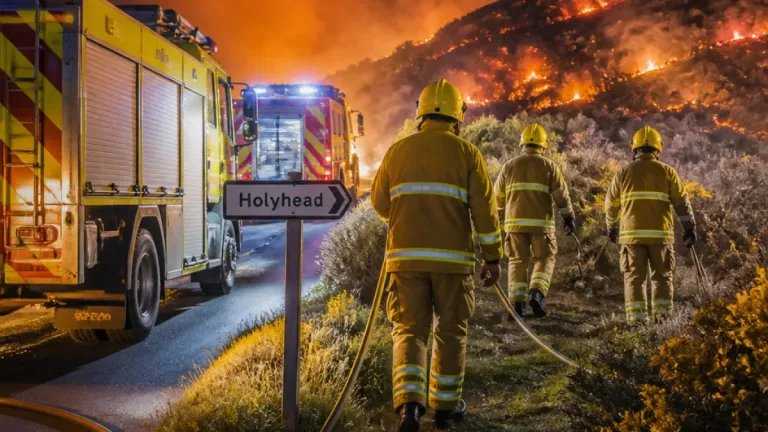
Fire services are warning that prolonged warm, dry conditions across the South East are increasing the likelihood that small fires can escalate rapidly, especially where gardens border open land or railway embankments. The call follows a major blaze in Walthamstow on Sunday evening, where flames spread through around 30 gardens after a railway line verge ignited. The London Fire Brigade (LFB) said roughly 125 firefighters were deployed as crews worked through the night to contain the incident.
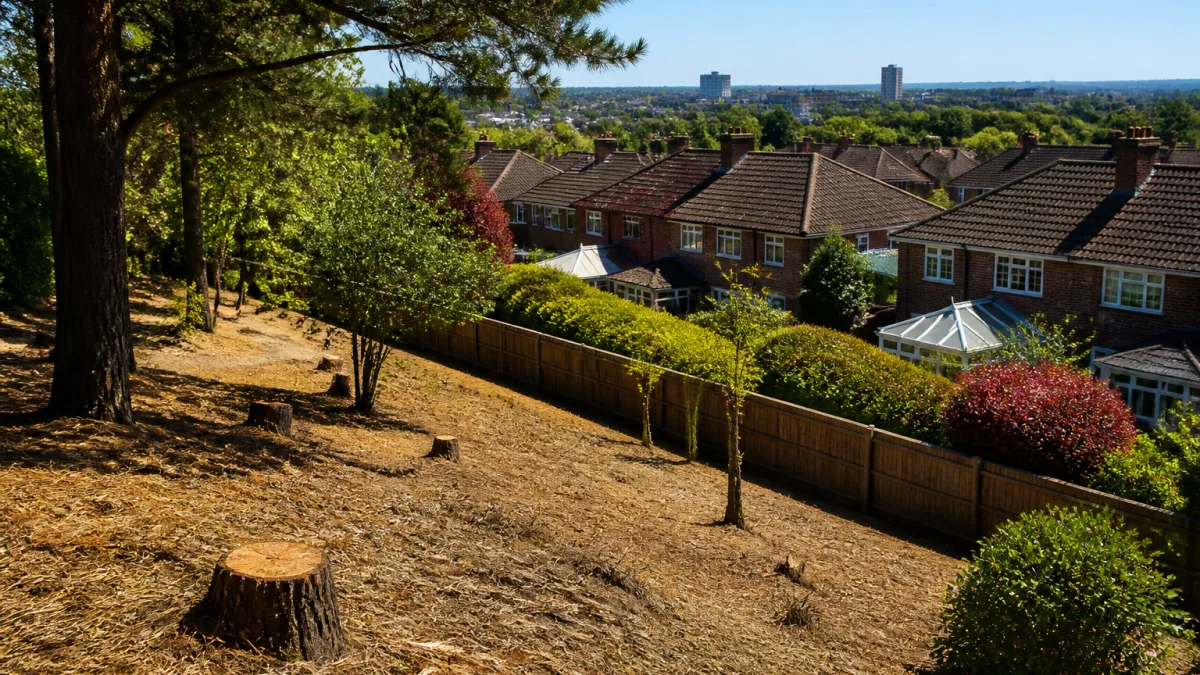
Although the fire took place in London, the underlying risks are similar for communities across Berkshire. Dry grass, accumulated garden debris and closely planted shrubs can act as fuel, allowing fires to move quickly from one plot to the next. As a precaution, residents in Reading are being encouraged to adopt the same measures promoted by the LFB to reduce the potential for serious damage.
What the fire service is advising
Assistant Commissioner Tom Goodall urged landowners and households to take practical steps while the heat persists. He told the Evening Standard that precautions taken now can make a meaningful difference if a fire does start.
“As these very warm and dry conditions continue, we encourage all landowners, including households, to take any precautionary measures they can to protect properties in the event of a fire.”
He emphasised the role that garden layout and basic upkeep can play in limiting how far and how fast a fire can spread.
- Create a clear strip around your home and boundary. A 2–3 metre buffer free of flammable material can act as a firebreak.
- Keep lawns short — the LFB recommends grass cut below 7cm to reduce how readily it will catch.
- Prune back trees and shrubs close to doors, windows and fences so flames have fewer pathways.
- Remove dry leaves and other debris from gardens and guttering, where embers can smoulder.
- Position sheds and garden furniture away from the house and from fencing where possible.
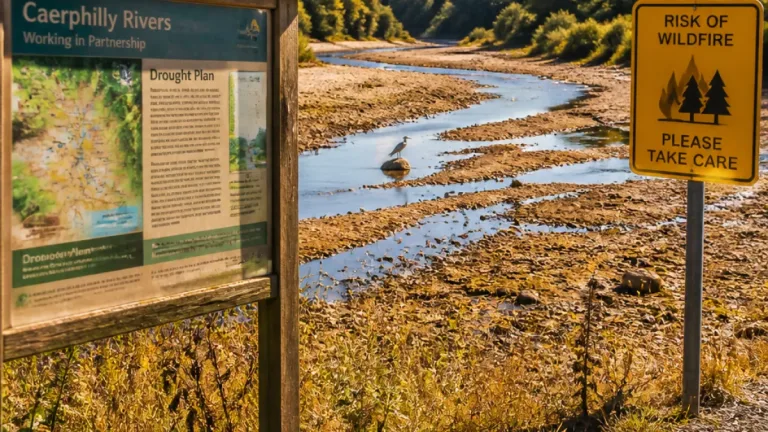
- Water lawns and borders during dry spells to make vegetation less combustible. If hosepipe restrictions apply, consider using water butts or greywater from the home.
What happened in London — and what it tells us
Properties and back gardens in streets bordering the affected railway were damaged as flames moved from the embankment into residential plots. The LFB said crews faced sustained demand: between Friday and Sunday night they handled close to 3,000 emergency calls, and resources were tied up for more than 24 hours in Walthamstow and Stratford as firefighters brought multiple incidents under control.
| Incident metric | Reported figure |
|---|---|
| Firefighters deployed (Walthamstow) | ~125 |
| Emergency calls (Fri–Sun) | ~3,000 |
| Operational duration | More than 24 hours |
London’s Mayor, Sadiq Khan, publicly backed the LFB’s messaging, noting the extraordinary workload on crews and asking residents to follow prevention measures as the hot spell continues. In a post on X, he said firefighters had shown “extraordinary dedication” and urged Londoners to comply with fire safety guidance. The same principles are applicable for households across the Thames Valley during similarly dry periods.
Local relevance for Reading residents
Reading’s mix of terraced streets, shared boundaries and mature planting means one person’s garden fire can quickly become a row of properties at risk. While there is no specific local incident referenced in this guidance, the combination of parched grass, wooden fencing and stored materials like timber or fuel can allow a fire to accelerate before crews arrive. A few small changes — trimming, clearing, and moving combustibles — can slow that progression and give the fire service time to intervene.
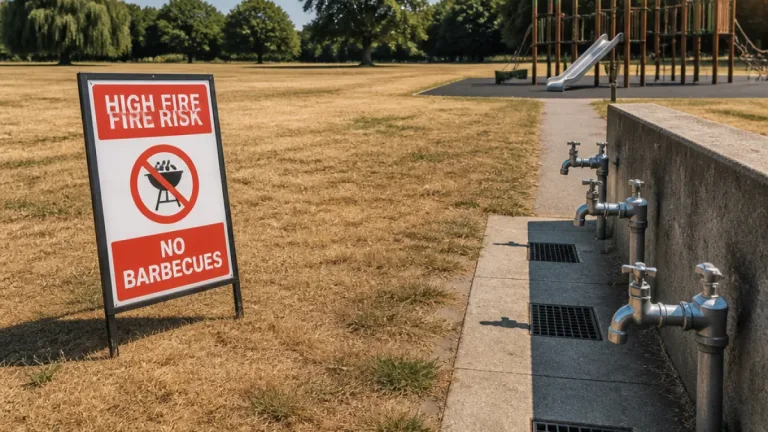
Garden owners should also consider how access might be provided if crews need to get into the rear of properties, and ensure that barbecues, fire pits and disposable BBQs are used with extreme caution or avoided altogether during very dry spells. Simple housekeeping — a tidy plot, short lawn and cleared gutters — remains one of the most effective lines of defence.
What you can do this week
- Walk the perimeter of your property and mark out a 2–3m clear zone where practical.
- Cut grass and strim edges; bag and remove dry clippings instead of leaving piles.
- Thin out dense shrubs abutting fences and remove deadwood.
- Relocate timber, gas canisters, paint and other flammables away from living spaces.
- Install or top up a water butt to keep borders damp without relying on mains supply.
Goodall’s core message is straightforward: simple preparation can help protect homes. For now, as temperatures stay high and rainfall remains limited, prevention in the garden is a practical step every household can take.