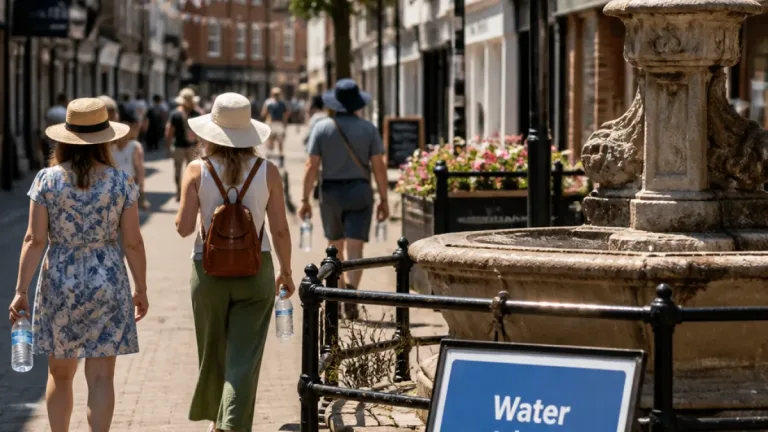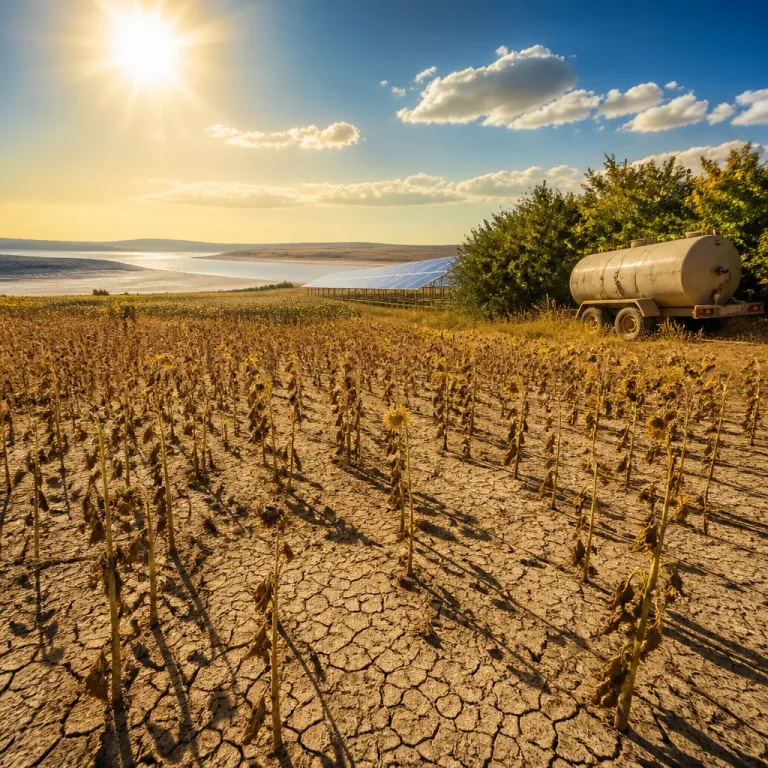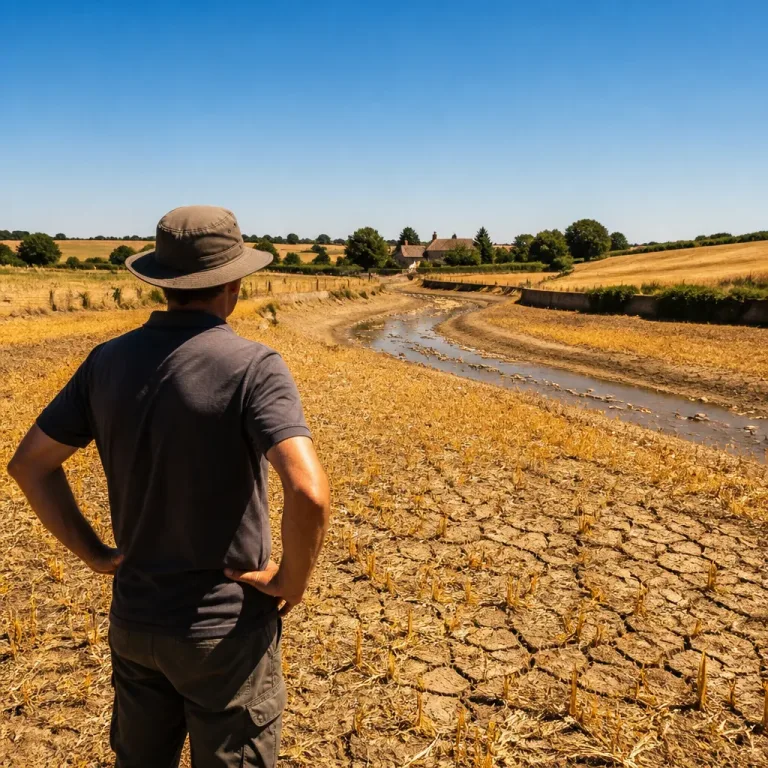
Cavendish, the small village between Haverhill and Sudbury, has been named by the Met Office as one of the ten driest places in the UK this year, highlighting how persistently dry conditions have settled over much of Suffolk.
How dry is it?
The latest observations show Cavendish has received approximately 242.4mm of rainfall so far in the current reporting period. That figure places the village tenth on the Met Office list of the driest observing sites nationally. Across the county, the long spell of settled, warm weather has contributed to one of the driest summers on record and helped trigger local restrictions on non-essential water use.
Met Office outlook and comment
The national forecaster says a brief change is possible in some parts of the UK as weather fronts move south-east, bringing rain to northern and western areas. However, for southern England — including Suffolk — the expectation is that dry conditions will remain dominant and temperatures will rebound quickly.
"After a prolonged spell of hot, dry and settled weather, some will see a temporary change this weekend as weather fronts move south-east across the UK... For much of southern England, dry conditions are expected to remain the dominant feature," said Met Office Chief Meteorologist Dan Suri.
Local forecast — Cavendish
The short-term forecast for Cavendish indicates continuing warm conditions, with the Met Office predicting a succession of mild to hot days:
- Monday, 27 July — partly cloudy, high around 25°C
- Tuesday, 28 July — partly cloudy, high around 29°C
- Wednesday, 29 July — sunny, high around 33°C
- Thursday, 30 July — partly cloudy, high around 28°C
- Friday, 31 July — partly cloudy, high around 24°C
How Cavendish compares nationally
The Met Office list highlights a number of eastern and eastern-adjacent sites among the driest locations so far. The following table summarises the top ten observing sites cited, with their reported rainfall totals and the number of observations used by the Met Office.
| Location | Monthly total (mm) | Observations |
|---|---|---|
| Cambridge, NIAB (Cambridgeshire) | 196.4 | 197 |
| Shoeburyness, Landwick (Essex) | 216.2 | 200 |
| Weybourne (Norfolk) | 218.0 | 200 |
| Cromer (Norfolk) | 226.2 | 199 |
| Marham (Norfolk) | 226.8 | 200 |
| Lingwood, Strumpshaw Hill (Norfolk) | 229.6 | 197 |
| Lossiemouth (Moray) | 237.2 | 200 |
| Tibenham Airfield (Norfolk) | 238.2 | 200 |
| Wainfleet No. 2 (Lincolnshire) | 240.6 | 199 |
| Cavendish (Suffolk) | 242.4 | 200 |
While the figures above reflect observed totals at specific stations, local conditions can vary significantly over short distances in rural counties like Suffolk.
What this means locally
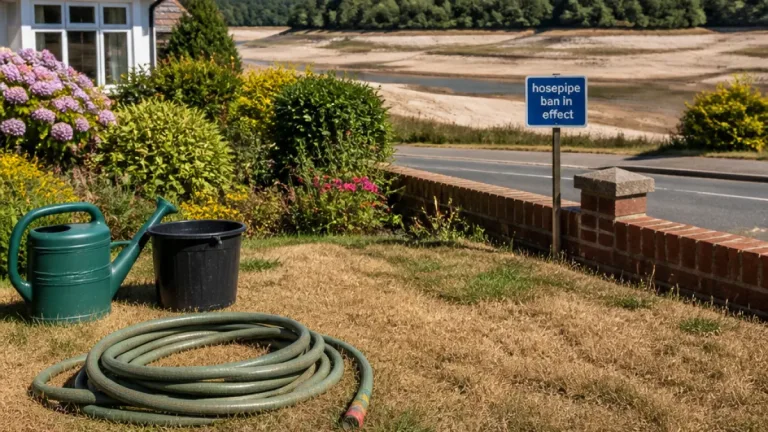
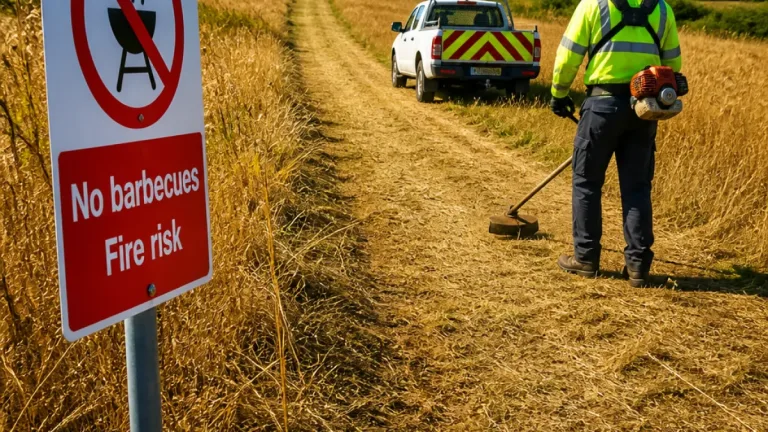
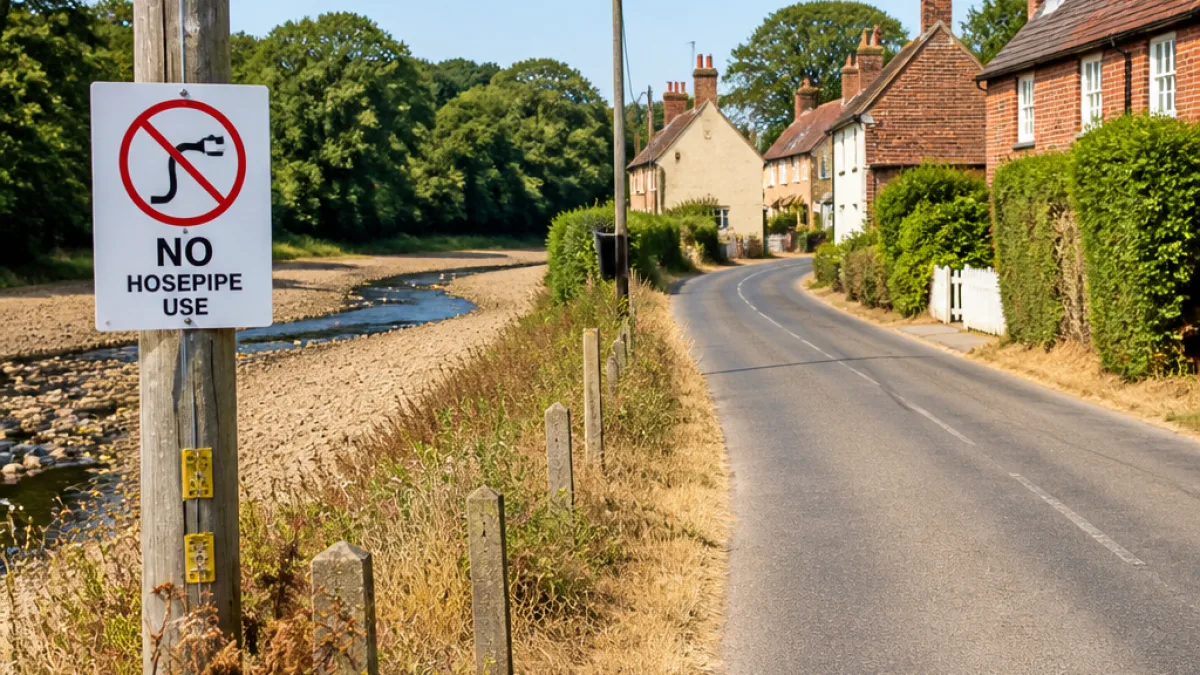
Persistent dry weather has practical implications for households, farmers and the environment. Authorities have already introduced a hosepipe ban in parts of the county to reduce water demand. Prolonged low rainfall can also affect river levels, soil moisture and crop prospects, and increases the risk of wildfires in open countryside.
Residents should continue to follow local water-use restrictions and monitor official advice from the Environment Agency, Anglian Water and the Met Office. If conditions change, agencies will update guidance accordingly.
For now, Cavendish remains one of the driest measured locations in the UK as Suffolk braces for another run of warm weather.