The latest national statistics indicate a notable reduction in recorded crime across the West Midlands, with nearly 6,000 fewer victims reported between April 2025 and March 2026 compared with the previous 12 months. The figures, compiled by the Office for National Statistics and highlighted by West Midlands Police, show declines across a range of offences including serious youth violence and weapons-related incidents.
Key decreases in violent and property offences
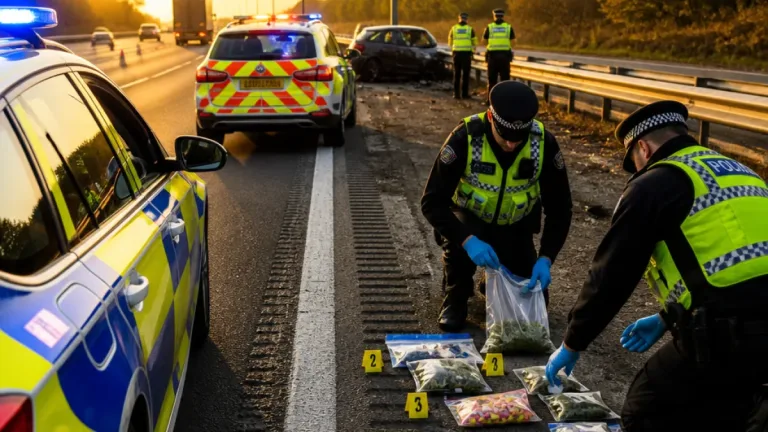
Among the headline changes, serious youth violence involving knives fell by 9%, while home burglaries dropped by 8.5% and vehicle crime reduced by almost 4%. Firearm-related activity also decreased: the number of guns discharged fell by 37% year-on-year, a change quantified as 40 fewer offences. Police report that 158 firearms were recovered by the force between July 2025 and the end of June 2026.
"We have seen a prolonged shift in the crime statistics over the last few years with continued crime reductions in the West Midlands," said Temporary Deputy Chief Constable Jen Mattinson.
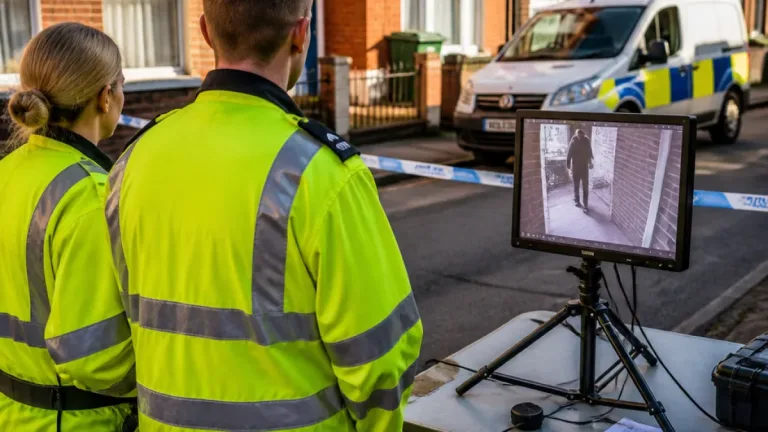
The force attributes the overall improvement to several operational factors, including quicker responses to emergency calls, higher arrest volumes and better victim care and investigation outcomes.
Operational performance and outcomes
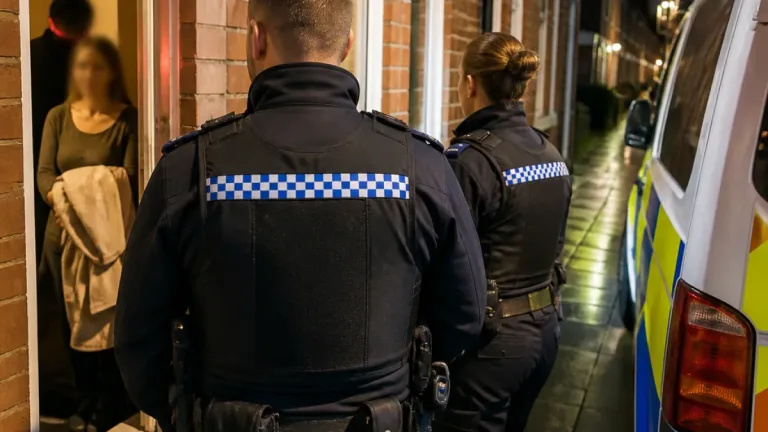
West Midlands Police say they made over 60,000 arrests in the last 12 months. The proportion of incidents concluding with a positive outcome — such as a charge or caution — has risen to 16%. Call-handling performance has also improved substantially according to the force.
- 999 calls: 749,484 taken between July 2025 and June 2026, average answer time two seconds.
- 101 calls: 1,018,185 handled in the same period, average answer time 34 seconds.
Those response times are presented as a marked improvement from summer 2022 when 999 calls were taking an average of 57 seconds to be answered. The force emphasises that callers are now frequently connected within one or two seconds.
What the numbers show locally
For residents in Solihull and neighbouring areas, the regional statistics offer a mixed but encouraging picture: falls in knife and gun incidents are of particular importance to families and schools, while reductions in burglary and vehicle crime will matter to households and businesses. Police leaders say the gains reflect sustained work by officers and staff, alongside targeted operations to remove weapons from the streets.
Simon Foster, the West Midlands Police and Crime Commissioner, welcomed the downward trends and described the reductions as positive for "people, families, businesses and communities." The figures will be scrutinised by local councillors and community groups seeking assurance that the improvements remain durable and equitable across the region.
| Metric | Change / Figure |
|---|---|
| Overall victims (Apr 2025–Mar 2026) | ~6,000 fewer |
| Serious youth violence (knife-related) | -9% |
| Home burglaries | -8.5% |
| Vehicle crime | -~4% |
| Guns discharged | -37% (40 fewer offences) |
| Firearms recovered (Jul 2025–Jun 2026) | 158 |
| Arrests (last 12 months) | 60,000+ |
| Positive outcomes | 16% |
| Average 999 answer time | 2 seconds |
| Average 101 answer time | 34 seconds |
While the reductions represent progress, the statistics do not mean that all neighbourhoods have experienced identical improvements. Local community safety partnerships and elected representatives will continue to press for resources targeted at persistent hotspots and for transparency around policing activity and outcomes.
Residents seeking reassurance or wishing to raise concerns should continue to use local police reporting channels and community meetings to hold agencies to account for public safety in Solihull and across the West Midlands.