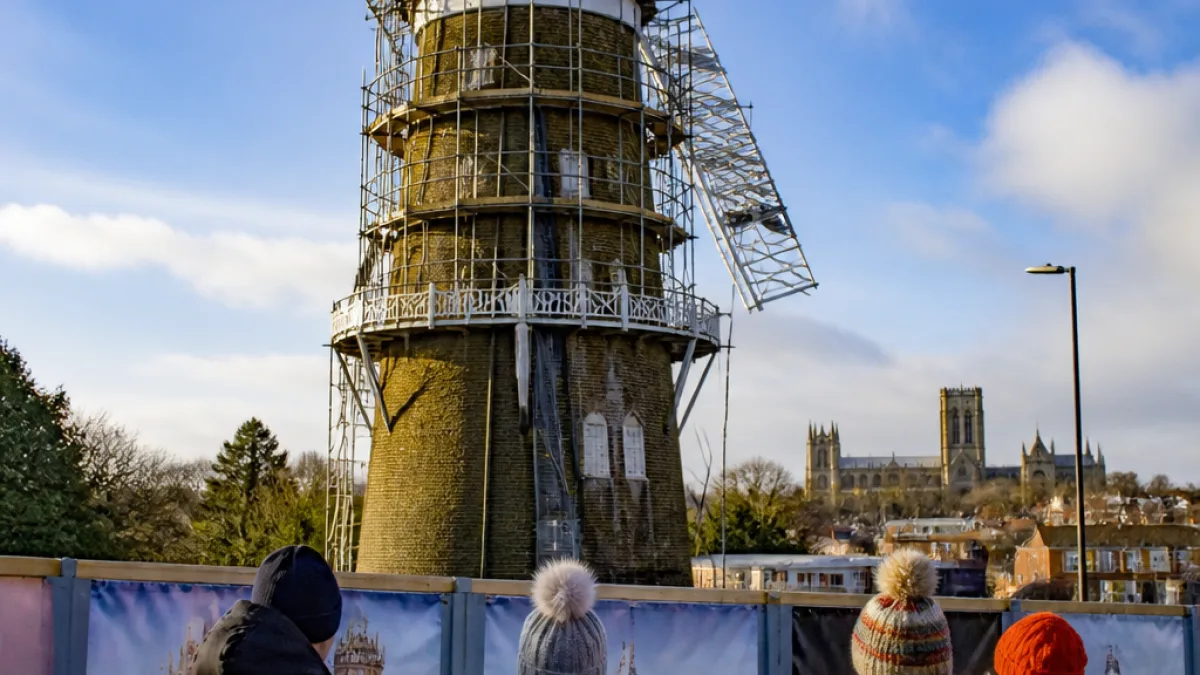
Ellis Mill, the familiar windmill on the city skyline, has been placed on Historic England's Heritage at Risk Register after inspectors identified structural and maintenance problems that threaten its future.
What the assessment found
In a letter seen by the BBC, Historic England set out the reasons for adding the mill to the register. The assessment highlights problems with the exterior brickwork, moisture penetrating the fabric of the building and deterioration of the timber elements that form the mill's cap, fantail and sail boards. Inspectors also identified damp inside the structure and work required on the windmill machinery before the mill could be returned to operation.
"Ellis Mill has been added to Historic England's Heritage at Risk Register"
Those findings come as a community group, the Ellis Mill Rescue Group, is pressing to take over management and see the mill restored. Around 150 people attended a public meeting on 30 July, according to the group, underlining local interest in the landmark's future.
Who wants what — and why it matters locally
The rescue group has produced a business plan outlining how it would run the mill if responsibility were transferred to them. However, the plan is conditional on a substantial repair budget. The group says the work needed to return the mill to working order is around £500,000 and is asking Lincolnshire County Council to meet that cost, citing historical commitments made when the authority took on the mill in the 1990s.
Lincolnshire County Council, which owns four windmills, says each site is in different condition and under various management arrangements. Deputy council leader Rob Gibson said discussions with interested groups have been taking place and that a windmill strategy will be brought forward for further engagement in the coming months.
"We are looking at what the options are for each of these sites. ... A windmill strategy will be proposed for further engagement in the coming months and we will then be in a position to take decisions on how we progress."
Practical implications and next steps
The inclusion of Ellis Mill on the Heritage at Risk Register puts greater focus on who will fund repairs and how work will be prioritised. For residents and visitors, the immediate effect is likely to be limited to continued closure of the machinery and possibly restricted access while assessments and negotiations continue.
Key elements now to watch are:
- whether the council accepts a financial responsibility for repairs
- if the rescue group’s business plan is approved and what governance model is adopted
- timescales and funding sources identified to carry out the work
| Issue identified | Consequence |
|---|---|
| Damp and damaged exterior brickwork | Risk of structural decay and water ingress |
| Splits and falling paintwork to timber cap, fantail and sails | Loss of original fabric and reduced weather protection |
| Damp to the interior and machinery work required | Mill cannot be returned to working order without repairs |
For now, Historic England's placement of the mill on the register is a formal recognition that Ellis Mill needs attention sooner rather than later. That designation can help to prioritise planning and may assist in unlocking specialist conservation advice and, potentially, funding routes, but it does not itself provide immediate cash for repairs.
Local people who want to know how the council proposes to proceed will be able to follow the forthcoming windmill strategy and any public consultations the authority arranges. The rescue group says it will continue to press its case and consult the community about practical next steps for restoring one of Lincoln's best‑known landmarks.