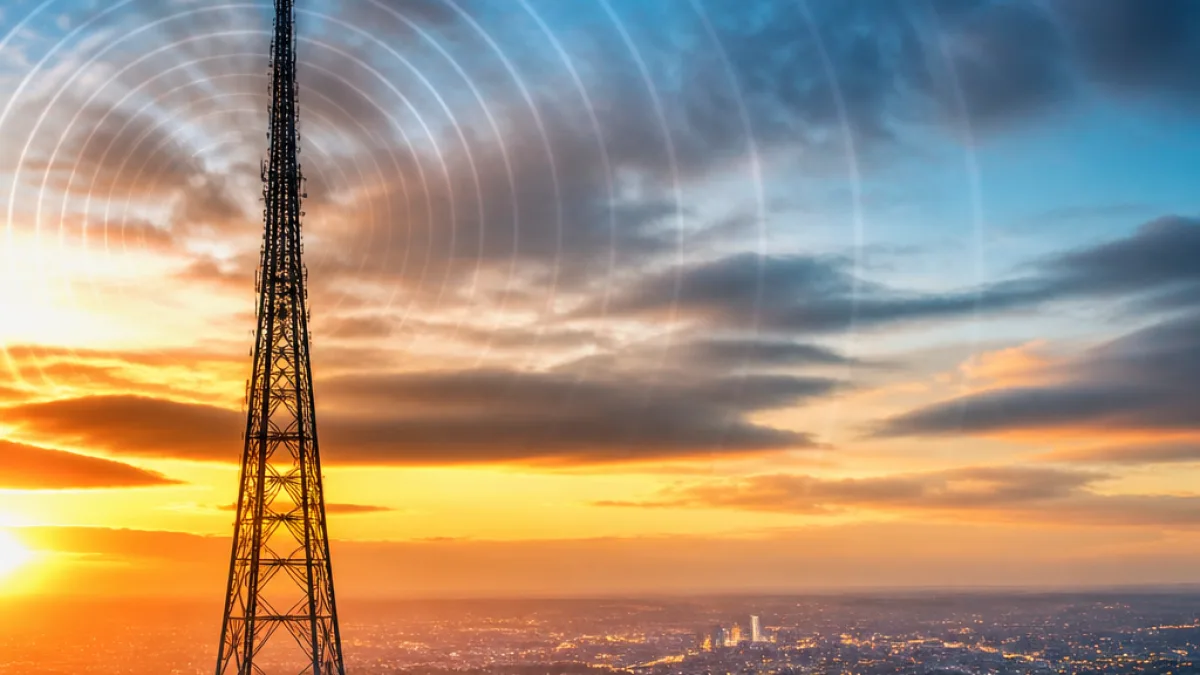
Visible from much of Bolton and neighbouring areas, the Winter Hill transmitting station is one of the tallest structures in the UK at 309 metres. Perched on the West Pennine Moors, it carries aerial television signals that reach almost three million households across the region. That long-established role is now the subject of national debate after the government published a green paper proposing a phased end to traditional terrestrial television.
What is at stake
The green paper sets out possible switch-off dates for digital terrestrial television (DTT) of either 2034 or 2044, and the government has pledged that DTT signals will be supported at least until the end of 2034. A formal consultation on the proposals is open until 31 August 2026, giving residents and stakeholders a window to respond.
The National Preparedness Commission has warned that turning off transmitters such as Winter Hill in 2034 could leave the UK vulnerable during emergencies. Its report argues that the nation’s network of more than 1,450 TV and radio transmission sites forms part of critical infrastructure capable of broadcasting when internet services fail.
"national resilience"
The commission cites real-world incidents to illustrate the risks. For example, when parts of the Iberian Peninsula suffered widespread power and internet loss, terrestrial broadcasting remained a dependable channel for public information. Because terrestrial signals do not rely on the same internet infrastructure as streaming services, they can continue to operate during major outages or cyber incidents.
Local impact for Bolton households
- Winter Hill supplies terrestrial television to nearly three million homes in the region; any change will affect viewers who rely on Freeview and aerial services.
- Communities with limited broadband resilience or mobile coverage could lose a robust channel for receiving emergency information if DTT were switched off prematurely.
- Broadcasters and local authorities will need to plan alternatives and public-information campaigns if a phase-out date is confirmed.
Locally, the mast’s continued operation matters beyond television viewing. Emergency planners and some civil society groups argue that terrestrial transmitters provide a simple, wide-reaching means to disseminate urgent messages when other networks are degraded.
Key figures at a glance
| Item | Figure |
|---|---|
| Height of Winter Hill mast | 309 metres |
| Households served (regional) | Nearly three million |
| Number of UK transmitters | More than 1,450 |
| Coverage claimed by network | 98.5% of UK households |
| Possible DTT switch-off dates | 2034 or 2044 |
| Consultation deadline | 31 August 2026 |
Officials behind the green paper say the move reflects the growth of internet-based streaming and changing viewing habits. Opponents counter that internet services are not yet as resilient nationally as terrestrial broadcasting, and that a premature switch-off could degrade the country's ability to reach the public in a crisis.
For Bolton residents this raises practical questions: how would a switch-off affect people who rely on aerial TV, what contingency plans would be in place for emergency messaging, and how will viewers be supported during any transition? The consultation period is the opportunity for local councils, emergency services, broadcasters and individual viewers to record concerns and suggest safeguards.
Over the coming weeks InfoRadar will follow any local responses to the consultation and report on what measures are proposed to protect communications resilience in our area. For now, the fate of a feature of the Bolton skyline — and a pillar of regional broadcasting — remains undecided as ministers weigh the case to phase out decades of terrestrial transmission.