When Erin McDaid joined the Nottinghamshire Wildlife Trust in 1993 she found herself working in the immediate aftermath of the landmark United Nations meeting in Rio de Janeiro. That summit, delegates agreed, set out a global course of action to tackle poverty, pollution, biodiversity loss and unsustainable consumption — aims that quickly fed into local projects across the county.
From international pledges to neighbourhood projects
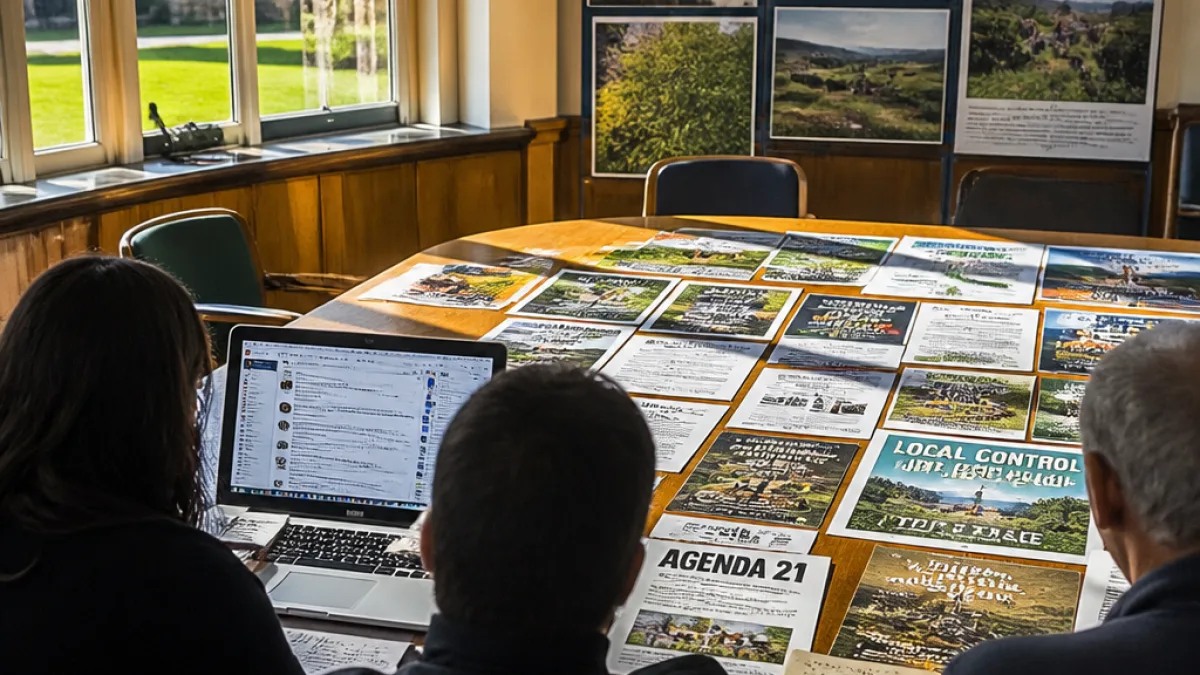
Locally, the international plan evolved into what became known as Agenda 21, an initiative that encouraged councils and community groups to adopt plans tailored to local needs. McDaid recalls being involved in early efforts such as the launch of the Nottingham Environmental Partnership, which later merged with the Nottingham Green Partnership. She was present at the county launch of Nottinghamshire Agenda 21, where environmental campaigner Jonathan Porritt was the principal speaker.
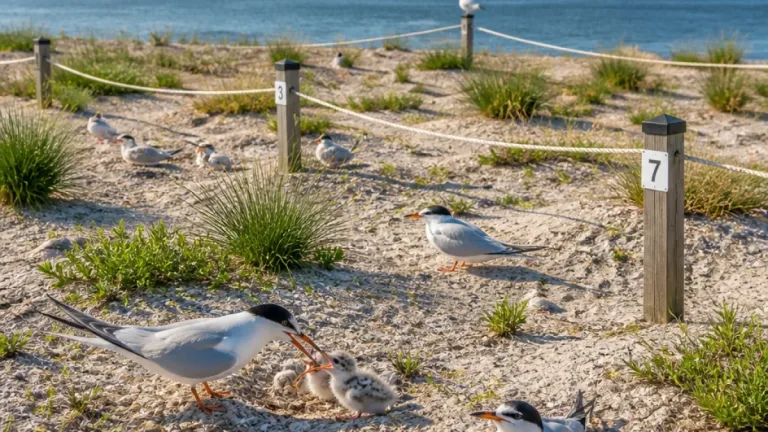
By the mid-1990s Agenda 21 had secured considerable uptake: by 1997 some 70% of UK local authorities had made commitments consistent with the programme. At the time, that felt like steady, practical progress — councils signing up, businesses appointing environmental staff and neighbourhood groups beginning practical conservation work such as planting and habitat restoration.
Why good intentions attract bad-faith narratives
McDaid now writes in Countryfile about a worrying trend: the same policies and local activism that aimed to create fairer, healthier communities are increasingly referenced by conspiracy theorists. She describes the link as “problematic”, reflecting how a language of global coordination (like Agenda 21) can be reframed online as evidence of secret control or sinister agendas.
"When I joined the Nottinghamshire Wildlife Trust wide-eyed and innocent back in 1993,"
That sentence, from McDaid’s column, captures both the optimism of the early environmental movement and the sense of bewilderment at how that optimism has been repurposed in parts of the public discourse.
- Local roots: National agreements translated into neighbourhood schemes, partnerships and on-the-ground conservation.
- Public uptake: Rapid acceptance by councils and organisations in the 1990s built the scaffolding for today’s local environmental work.
- Current challenge: Mischaracterisation of co‑operative environmental plans by conspiracy groups undermines trust and slows practical action.
What this means for Nottinghamshire residents
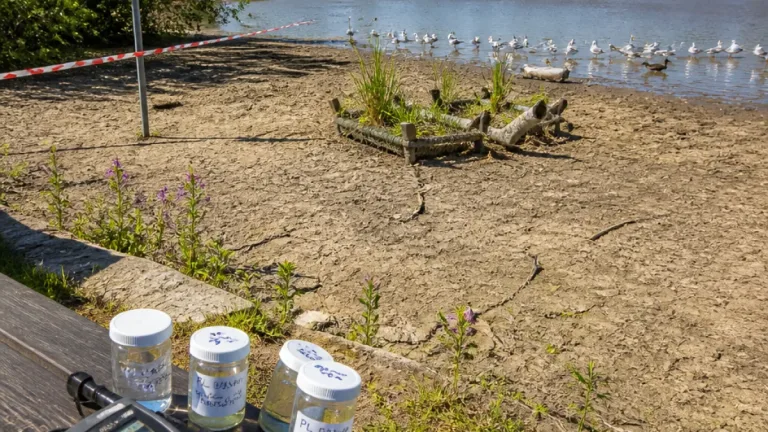
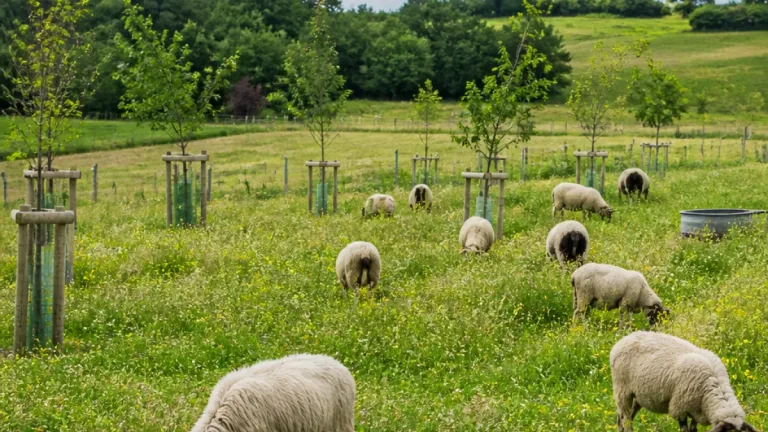
The county’s environmental record is visible in small, everyday ways: revived meadow patches, community tree‑planting and greater awareness of biodiversity on council agendas. Those practical gains now sit alongside an extra task — countering misinformation that can discourage local volunteers, frighten elected members and complicate planning decisions.
| Era | Local development |
|---|---|
| Early 1990s | Adoption of Agenda 21 principles; new local partnerships |
| Mid-1990s | Widespread local‑authority commitments (around 70% by 1997) |
| 2020s | Conservation efforts coexist with online misinformation and conspiracy narratives |
For residents wondering how to get involved or to judge local schemes on their merits, the most reliable approach remains straightforward: check the proposals and consult publicly available council documents, speak to recognised local groups such as the Nottinghamshire Wildlife Trust, and ask elected representatives for clarifications. Practical, transparent projects — and clear communication about their aims — make it harder for misinformation to take root.
As McDaid’s piece reminds us, the county’s conservation work grew from a long, public conversation about sustainability. The challenge now is to keep that conversation rooted in facts and local experience rather than letting it be redirected by alarmist claims that detach policy from its practical outcomes.