The membership of the International Criminal Court (ICC) has taken the unprecedented step of removing its chief prosecutor, after a lengthy and contentious process triggered by allegations of sexual misconduct.
Decision follows oversight report and suspension
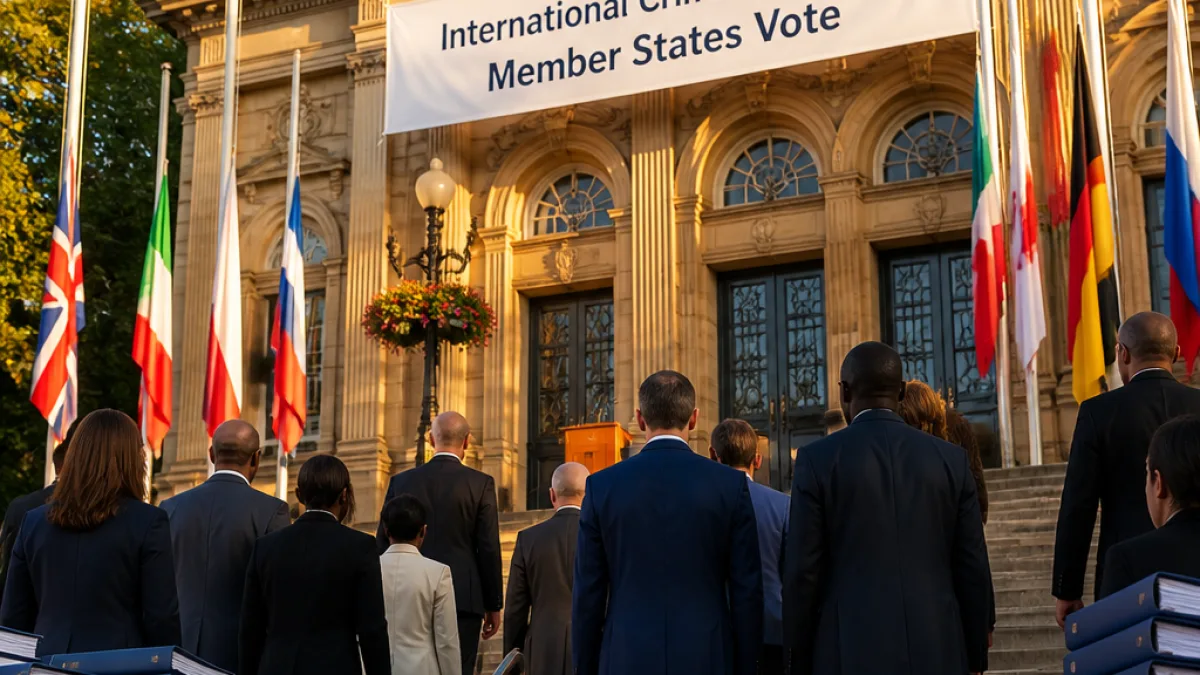
Representatives of the court's 125 member states voted to oust Karim Khan, a British barrister who has served as chief prosecutor. The move comes almost two years after initial allegations were first reported and follows an inquiry by the court's executive committee which concluded Mr Khan had engaged in "serious misconduct". He denies the findings.
"The US is launching a 'sweeping campaign to dismantle the threat posed by the International Criminal Court to US sovereignty',"
The vote represents the first time a sitting chief prosecutor has been removed from the ICC. Mr Khan, who is reported to be 56 years old, was temporarily relieved of his duties in June pending the outcome of the membership vote.
Process and divisions among states and staff
The decision followed attempts by some delegations to make the threshold for removal higher; an early motion, brought by Sierra Leone and designed to complicate efforts to oust Mr Khan, failed. Diplomats then advanced swiftly to the decisive vote, several hours ahead of schedule, according to sources familiar with the proceedings.
- Number of ICC member states: 125
- Nature of allegations: Sexual misconduct involving a staff member, according to documents seen by the Associated Press
- Interim action: Temporary suspension in June pending the vote
The removal has opened deep divisions between member states, court staff and human rights groups, and arrives at a fraught moment for the ICC. The tribunal has faced external political pressure, including from the United States, which has signalled a campaign to undermine aspects of the court's work and influence member states' positions.
| Milestone | Detail |
|---|---|
| Initial allegations | First reported almost two years ago |
| Temporary removal | June (pending membership vote) |
| Membership vote | Removal approved by a large majority of member states |
Implications for the court
Removing a chief prosecutor is a dramatic outcome that raises immediate questions about leadership, ongoing investigations and the morale of court staff. The episode is likely to intensify scrutiny of the ICC's internal oversight arrangements and governance, as well as the diplomatic pressures that surround its work on international crimes.
For observers in the UK, the case carries particular resonance because of Mr Khan's nationality. The court, based in The Hague, now faces the task of restoring stability and confidence as it continues its mandate to investigate and prosecute the gravest international crimes.