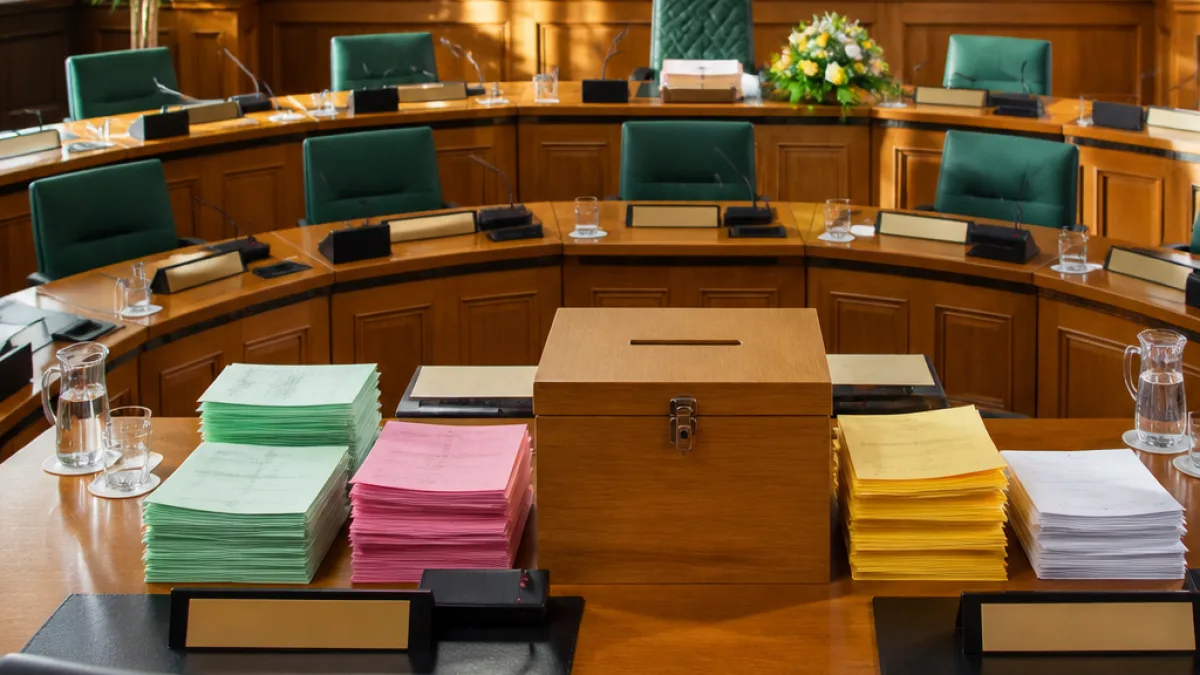
Kirklees Metropolitan Borough Council has a new leader after a prolonged period without an appointed head of the authority. At a full council meeting last night, Reform UK councillor Sarah Wood won the leadership vote, bringing to an end a stalemate that has lasted around two months.
The outcome was decided in a secret ballot. In the two votes reported at the meeting, the Green group leader, Andrew Cooper, secured 30 votes, while Cllr Wood received 36 votes and was declared elected.
What the numbers mean for local politics
The result underlines the fragmented political make‑up of the council, which continues to operate without a single party majority. The current composition of Kirklees MBC, as recorded at the meeting, is:
- 27 Reform UK councillors
- 15 Independents (including both Kirklees Independents and Valley Independents groups)
- 12 Green Party councillors
- 9 Conservative councillors
- 5 Liberal Democrat councillors
| Party / Group | Seats |
|---|---|
| Reform UK | 27 |
| Independents | 15 |
| Green | 12 |
| Conservative | 9 |
| Liberal Democrat | 5 |
Implications for council leadership and decision‑making
The election of Cllr Wood ends a period in which the council operated without a confirmed leader, a situation that can complicate strategic decisions and the implementation of policy. With no party holding an outright majority, the new leader will need to navigate a council made up of multiple groups and negotiating blocs to secure support for budgets, service plans and strategic priorities.
“What I’m hearing across the parties, across voters and non‑voters, is that they would like us to get on with the job.”
The quotation above was made by Cllr Wood prior to the secret ballot and indicates an intention to focus on practical governance. How that will translate into stable cross‑party arrangements or issue‑by‑issue agreements remains to be seen.
Council leaders in hung authorities typically rely on formal coalitions, confidence‑and‑supply arrangements or more informal, case‑by‑case cooperation. Residents should expect the new leadership to set out its immediate priorities for services, finances and local projects in the coming weeks as it seeks to demonstrate an ability to secure support across the chamber.
The election also reshapes scrutiny and committee dynamics, because the balance of power affects chairships and membership of key committees overseeing planning, licensing, education and adult social care. Those appointments will be watched closely by community groups and service users across Kirklees.
Further details of the leader’s programme, proposed cabinet or executive arrangement and how cross‑party working will be achieved are expected to be published by the council following the formalisation of the result.