A Milton Keynes hairdresser is preparing to take legal action after alleging that prolonged workplace exposure to fumes from hair-smoothing products left her with a catalogue of debilitating health problems and ultimately forced her to stop working.
Alleged long-term exposure and sudden hospitalisation
Louisa Curtis, 55, says she spent nearly two decades suffering unexplained symptoms that included headaches, breathing difficulties, chronic fatigue, skin rashes, swollen joints, memory problems and severe mobility issues. Ms Curtis, who has more than 40 years' experience in hairdressing, regularly carried out keratin-smoothing or Brazilian blow-dry treatments from 2008 onwards, she says, routinely spending hours blow-drying and straightening clients' hair.
She reports that despite numerous medical investigations over the years — and a diagnosis of autoimmune thyroid disease in 2018 — clinicians were unable to account for the full range of her symptoms until an acute incident this March.
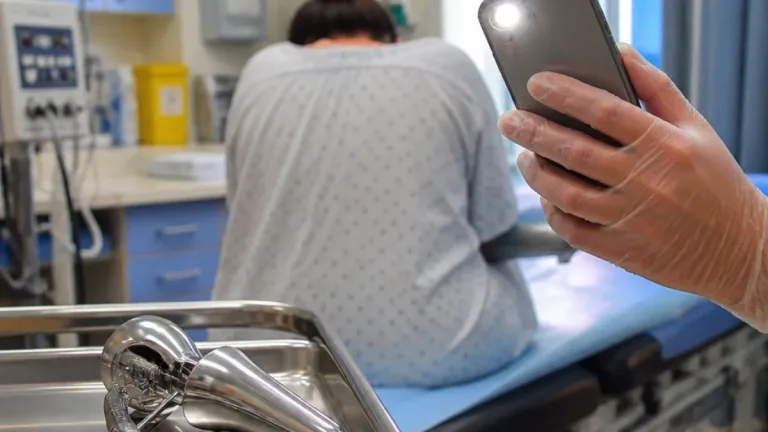
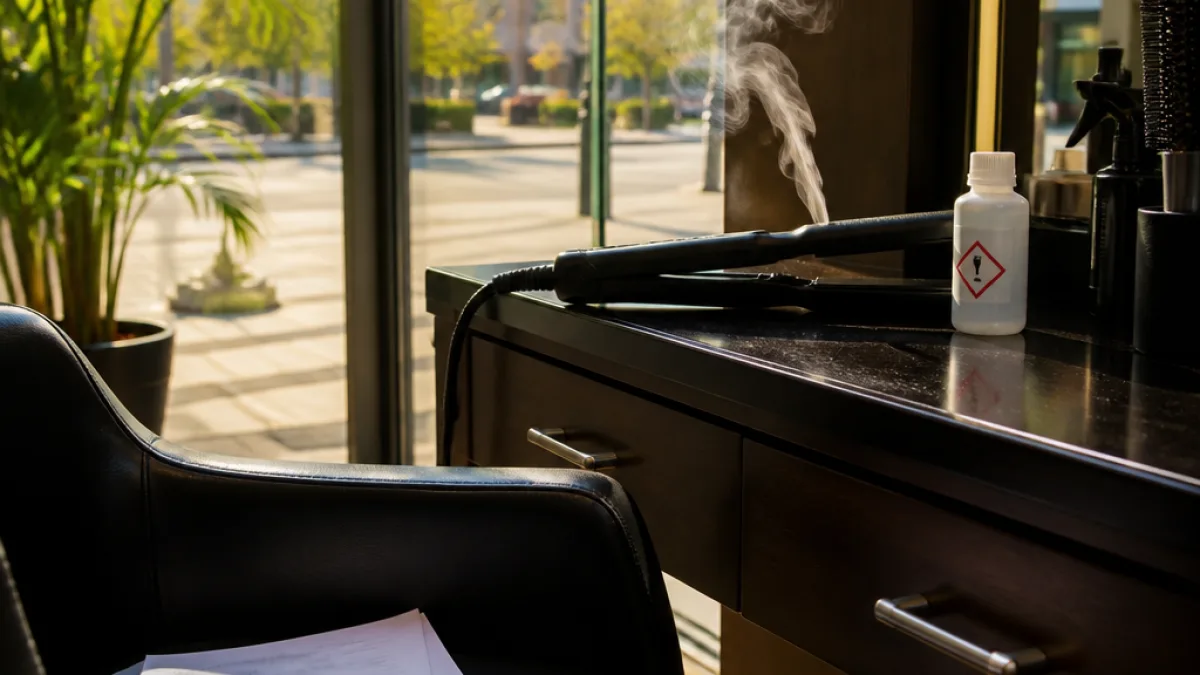
During a treatment, Ms Curtis says she experienced an immediate burning sensation in her mouth, throat and airways and later attended hospital with severe breathing difficulties. After presenting healthcare staff with the product she had been using, she says she was told it released formaldehyde when heated. She now intends to pursue legal claims relating to the alleged prolonged exposure.
Warning to the trade
Ms Curtis is urging other hairdressers and clients to be alert to symptoms they cannot otherwise explain after carrying out or receiving Brazilian blow-dry treatments. She highlights that while some products are marketed as “formaldehyde-free”, certain formulations can release formaldehyde gas when heated during styling.
- Length of alleged exposure: from around 2008 until the acute reaction in March 2026.
- Medical history noted: diagnosis of autoimmune thyroid disease in 2018; ongoing unexplained symptoms.
- Current action: legal action being prepared by Ms Curtis.
Local impact and wider context
The case raises questions about occupational safety in salons and how potentially harmful products are labelled and used. Hair-smoothing treatments have been under scrutiny elsewhere for releasing formaldehyde or formaldehyde-releasing chemicals when heated — a point Ms Curtis emphasises from her experience — but the account before the court will need to establish causation between workplace exposure and the long-term health issues she describes.
For colleagues in the trade, the immediate practical point from Ms Curtis's account is to seek medical advice if they experience persistent, unexplained respiratory or systemic symptoms following exposure while working with smoothing products. She has publicly advised other hairdressers and clients to consider medical assessment where appropriate.
| Key dates | Event |
|---|---|
| 2008 | Ms Curtis began regularly carrying out keratin-smoothing treatments, according to her account |
| 2018 | Diagnosed with autoimmune thyroid disease |
| March 2026 | Acute reaction during treatment, hospital attendance and disclosure that product released formaldehyde when heated (as alleged) |
The report does not include details of the specific product brand or a medical or legal response from any employer, manufacturer or regulator. Any formal legal proceedings will be the forum in which those matters are examined and substantiated.
The story is likely to be of interest to local health services, salon staff and clients. It underlines the need for clear information on the composition and safe use of hair products, and for staff to be aware of potential occupational risks.