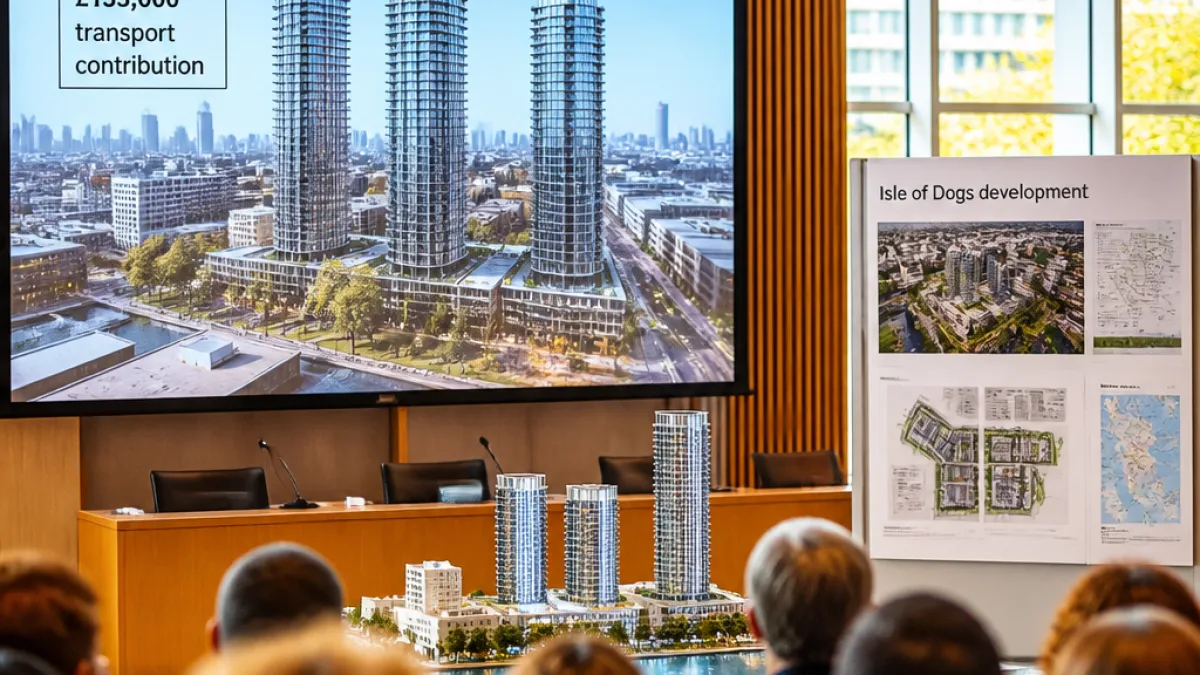
The debate over a major Isle of Dogs development has reopened local concerns about transparency in Tower Hamlets' planning decisions and public spending. Councillors heard proposals for three 180ft towers on a vacant site, with promises of 918 student "units" and a contribution to transport, but questions in the public gallery suggest many residents remain unconvinced the benefits are clear or fairly explained.
Modern town hall, old questions
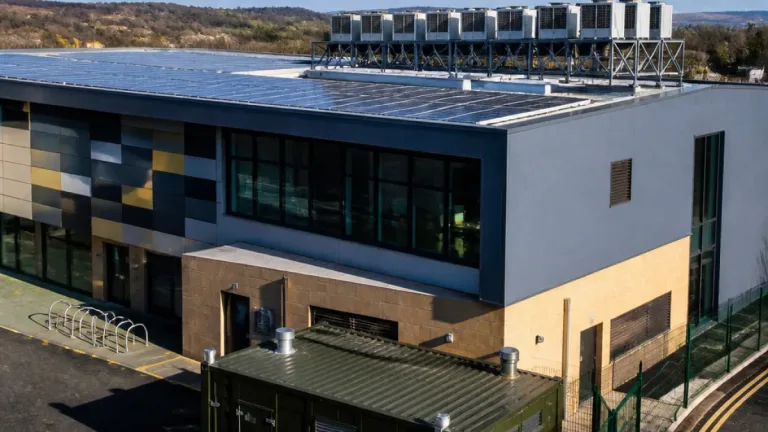
The application was considered in Tower Hamlets’ new town hall — a conversion of part of the Royal London Hospital — a building that has already prompted comment for its slick, contemporary public spaces. But the polished surroundings did little to answer harder questions about how developers’ pledges are calculated or what they will actually deliver on the ground.
What councillors were told
At the meeting, the developer presented slides of three glass-and-steel towers. Details given to councillors included:
- Height: 180ft for each tower
- Accommodation: 918 student units plus additional apartments described as "affordable"
- Transport contribution: a payment of £133,000 offered to local transport authorities
Despite those headlines, councillors probed practical implications: the potential impact of student residents on local services and public transport, and how the transport sum had been arrived at. On the question of student behaviour one university representative sought to reassure councillors about standards among incoming tenants.
"They keep their heads down,"
Questions of calculation and scrutiny
Councillors asked how the £133,000 figure was calculated and what it would buy for the transport network. The developer and other representatives were unable to give detailed breakdowns in the public session. That gap reinforced concerns among some members of the public that sums offered in planning negotiations can seem arbitrary unless the council or transport bodies spell out precisely how contributions will be spent.
Local concerns and democratic access
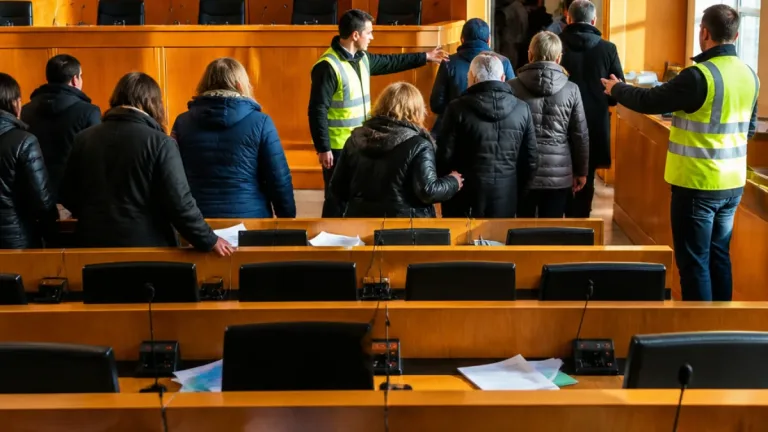
The meeting also highlighted frustrations with the format of planning hearings. Members of the public are not permitted to put questions from the floor during such sessions; instead they must rely on elected councillors to raise points on their behalf. For some locals present, this heightens the sense that decision-making remains distant, even when it involves large sums and high-rise developments that will alter the neighbourhood.
| Item | Figure |
|---|---|
| Tower height | 180ft |
| Student units proposed | 918 |
| Transport contribution | £133,000 |
For residents worried about growing pressure on the Jubilee line and local bus services, the sums on offer may seem modest in relation to potential demand. For others, the character of the proposed blocks — described by some critics as stark or lacking in warmth — raises questions about the kind of development that best serves long-term neighbourhood interests.
What emerged clearly from the meeting was not a single answer but a cluster of uncertainties: how contributions are calculated, what safeguards exist to protect local communities, and how well councillors can represent constituents when the formal meeting structure limits direct public interrogation.
As the application proceeds through the decision-making process, residents and campaign groups are likely to press the council for clearer explanations of developer offers and firmer guarantees about the use of any funds paid into transport or other mitigation measures. In the meantime, the new town hall’s gleaming public face will host further debates where technical detail and public accountability will need to meet face to face.