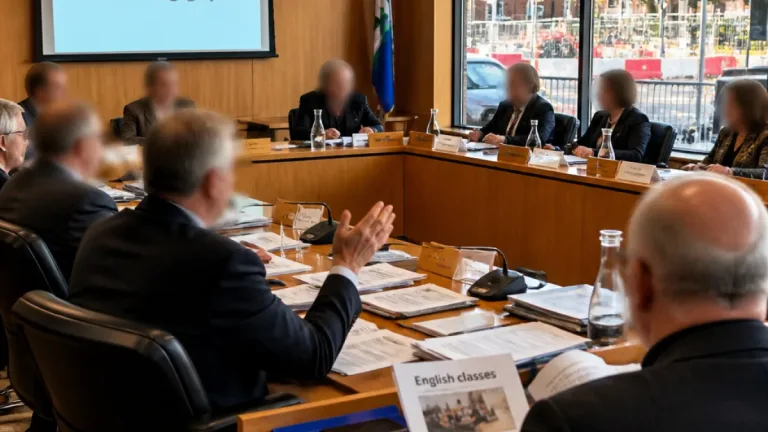
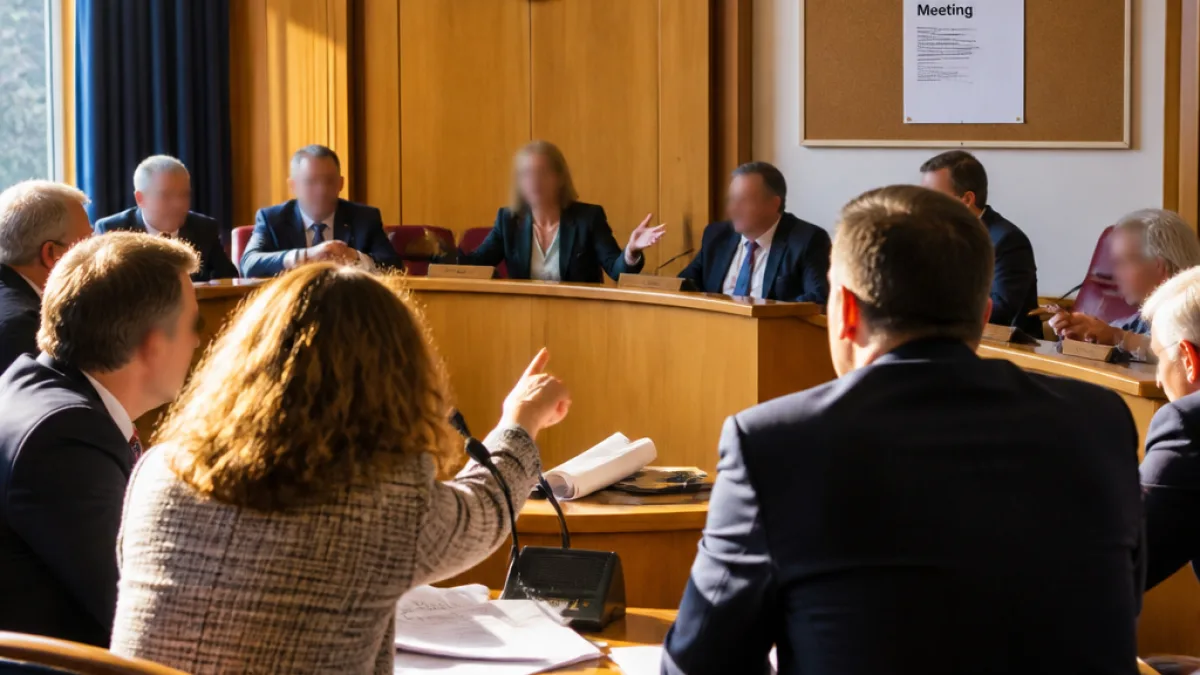
A meeting of the Devon & Torbay Combined County Authority (DTCCA) was abruptly adjourned after a heated exchange between senior councillors over the pace and terms for converting the body into a mayoral authority.
Tensions over timetable and Plymouth's role
Frustration at the meeting centred on how quickly the county can obtain formal mayoral status and whether the process is being slowed for the benefit of Plymouth. The DTCCA currently functions as a combined authority but does not yet have an elected mayor; members are discussing alterations to its constitution to change that.
Video of the session shows the chair, Councillor David Thomas (Conservative, Preston), attempting to interrupt a protracted exchange between other board members, and then adjourning the meeting. When members reconvened, Councillor Paul Arnott (Liberal Democrat, Coly Valley) apologised for going beyond what was acceptable, describing his contribution as having "pushed the boundaries too far".
"I pushed the boundaries too far,"
The sharpest disagreement involved Councillor Arnott, who accused Plymouth of "doing all it can to prevent mayoral elections next May" and warned against allowing the city to effectively dictate the timeframe. Councillor Phil Bialyk (Labour, Exwick), leader of Exeter City Council, countered that alternative routes might be available, suggesting additional funding could be sought even before a formally elected mayor was in place.
Why a mayor matters
Most members of the combined authority acknowledge that having an elected mayor could provide practical benefits. A mayoralty can increase the county's ability to attract central government investment for large-scale schemes in housing and transport, and may strengthen strategic planning across the administrative area.
But the disagreement at the meeting highlights two things:
- Disagreement over the speed at which constitutional change should be pursued.
- Concerns that individual local interests — notably Plymouth’s — might shape the process to their advantage.
Key figures and positions
The board includes leaders from district and city councils across Devon and Torbay. The exchange at the meeting involved:
| Councillor | Party | Role / Council |
|---|---|---|
| David Thomas | Conservative | Chair (Preston) |
| Paul Arnott | Liberal Democrat | Leader, East Devon District Council (Coly Valley) |
| Phil Bialyk | Labour | Leader, Exeter City Council (Exwick) |
Those present are balancing the desire to secure greater funding and strategic powers against the need to agree a fair timetable and terms that reflect the interests of the whole area.
What happens next
The meeting was adjourned and will resume at a later date to continue discussions about the authority’s constitution and the route to a mayoralty. Members will need to reconcile differing views on timing and process — and to address the specific concerns raised about how Plymouth’s position might affect the wider county.
For residents and local organisations, the outcome will matter because a mayoral system could change how transport, housing and investment decisions are prioritised and funded across Devon and Torbay. Councillors will now face the task of moving from debate to agreement if they are to present a single, coherent case for mayoral status to government.
Further meetings of the DTCCA will be watched closely by councils, businesses and voluntary groups across the county as the political tussle over timing and influence continues.