A national survey of beach ratings has placed Woolacombe Beach third and Bigbury Beach eighth in the list of the UK’s top ten beaches, offering fresh evidence of Devon’s enduring appeal to holidaymakers and day-trippers.
How the list was compiled
The rankings were produced by travel analysts at Lapland Famille, who examined May 2026 Google Maps star scores and review volumes and combined those figures with the most recent official bathing-water classifications. The methodology aims to reflect both visitor satisfaction and recorded water quality.
Top finishers and local placings
Woolacombe achieved a 4.8 rating on Google and placed third overall. Two Welsh bays — Barafundle Bay and Traeth Mwnt — topped the list with a 4.9 rating each. All three leading beaches hold an ‘Excellent’ 2025 bathing-water classification.
| Position | Beach | Google rating | Bathing-water class (2025) |
|---|---|---|---|
| 1 (tie) | Barafundle Bay (Pembrokeshire) | 4.9 | Excellent |
| 1 (tie) | Traeth Mwnt (Ceredigion) | 4.9 | Excellent |
| 3 | Woolacombe (Devon) | 4.8 | Excellent |
| 8 | Bigbury (Devon) | – | – |
Visitor impressions and practical points
The list draws on thousands of user reviews as well as official data, and highlights features cited repeatedly by visitors: clean sand, strong lifeguard presence and facilities for surfing and family days out. Sample comments collected in the analysis described Woolacombe as a “pristine” and “vast” beach with reliable lifeguard cover. One reviewer noted parking costs but said the beach and nearby shops made it worthwhile; another called Bigbury “the most beautiful spot” for family days.
"Annual classifications are useful for comparing long-term water quality, but they are not a same-day safety guarantee. Families should still check live regulator updates, tides, weather and on-site flags before anyone goes into the water, particularly after heavy rain."
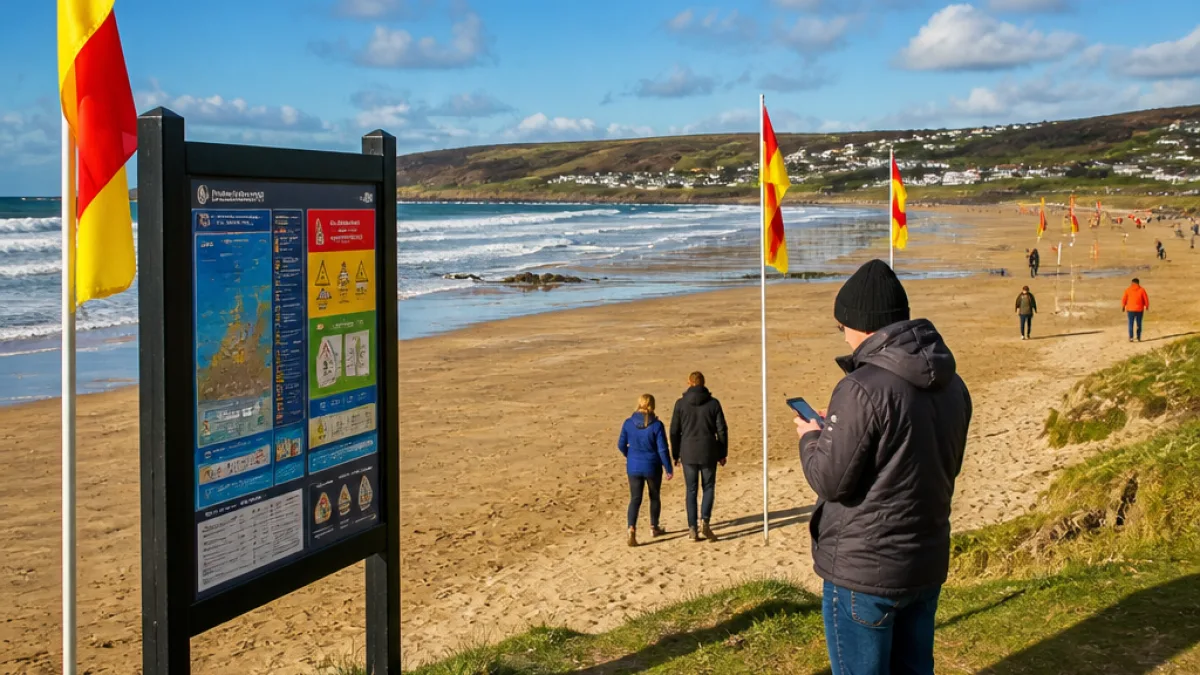
The quotation, from the managing director of the company behind the analysis, underscores that annual bathing-water categories indicate longer-term trends rather than immediate safety. Local authorities and lifeguard teams maintain separate, day-to-day systems — including flags and notices — to warn beachgoers of short-term hazards such as strong currents, contamination after heavy rain or sudden weather changes.
- Check live updates: consult the Environment Agency or local council alerts before swimming.
- Observe lifeguards: heed on-site flags and guidance from beach safety teams.
- Plan for parking and facilities: popular seasons can lead to busy car parks and queues at local businesses.
For Devon’s tourist economy, the inclusion of two county beaches in the national top ten is likely to reinforce visitor interest this season. For residents, the list is a reminder that even highly rated shores require careful judgement before entering the water. Further details of the full top ten and the methodology are published by the travel analysts behind the study.
Information about daily water quality and safety flags is available from local councils, beach operators and the Environment Agency’s live services; visitors are advised to use those sources when making decisions about swimming or water sports.