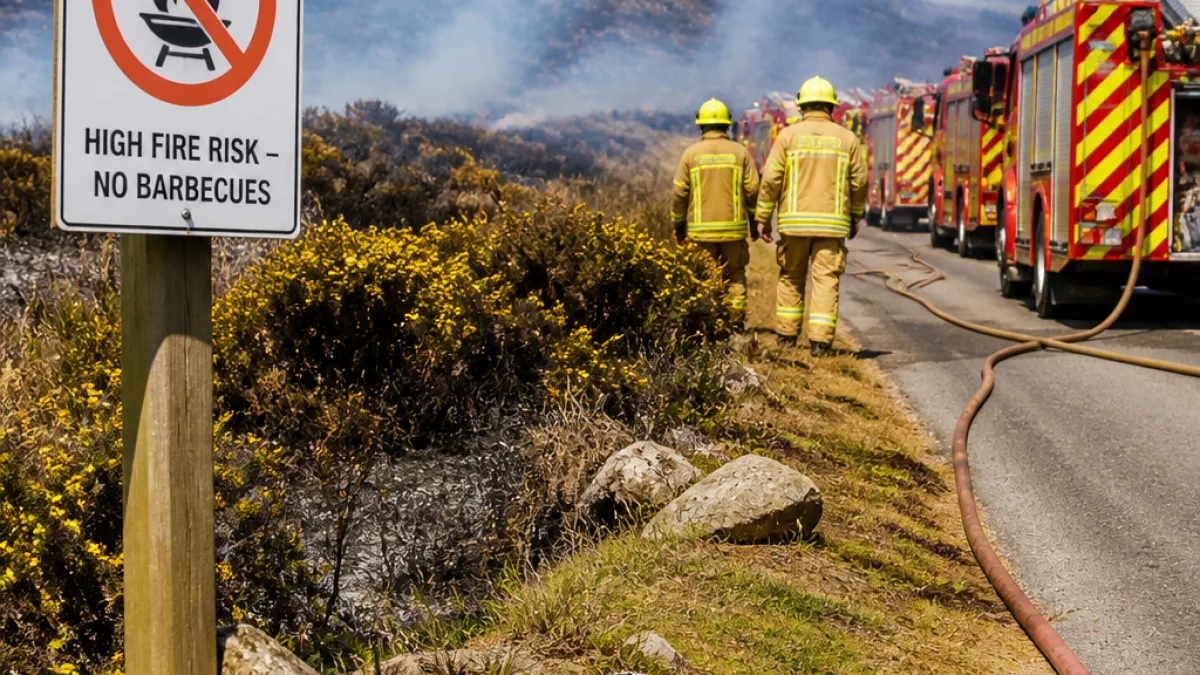
Devon & Somerset Fire & Rescue Service has warned that a spike in wildfires and outdoor blazes has created a "heavy drain" on firefighting capacity, after crews dealt with 813 incidents in just one week. Of those, 226 were fires, amounting to an average of one call-out roughly every 12 minutes, with the service handling just shy of 2,000 phone calls over the same period.
Busiest week in years as heat and dry ground raise the risk
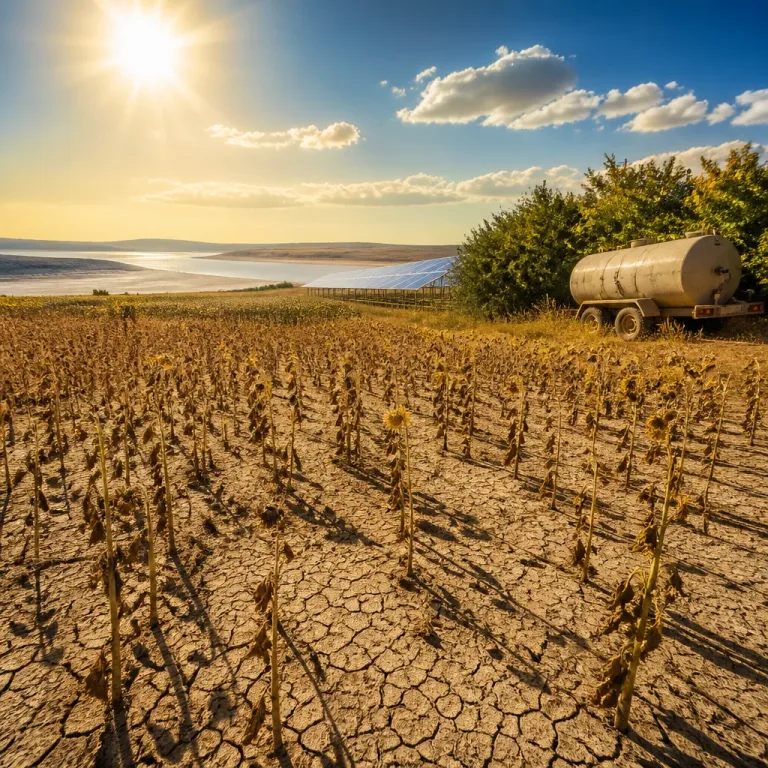
With hot weather persisting and parched ground conditions across the two counties, the service said the likelihood of fires in the open remains high. Small blazes are spreading faster than usual, the service warned, quickly turning what starts as a minor incident into a blaze running through hedgerows or scrub, and in some cases developing into wildfires that can last for days rather than hours.
Steve Fisher, from the service’s community risk team, urged people to be “vigilant and be mindful” of the wildfire threat, describing such incidents as “a heavy resource drain” that “can last days rather than hours” and “come at great cost”.
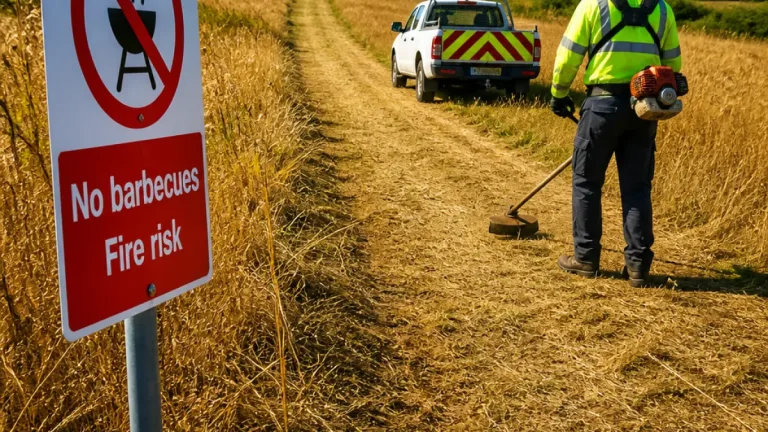
According to the service, only 10–15% of wildfires occur naturally; the majority are linked to human activity. It has asked residents and visitors to think again before lighting barbecues, campfires or bonfires, especially in rural or coastal areas with dry vegetation, and to avoid disposable barbecues altogether.
Heat forces shorter work periods for crews
The prolonged heat is also affecting how firefighters operate on the ground. To protect crews’ welfare, work cycles at incidents have been shortened significantly, which means more personnel must be rotated in to manage the same job safely.
“During the warm conditions the service had to drastically reduce the time its firefighters could work,” Mr Fisher said. “What could have been done with 20 firefighters may take 100 because of the conditions and looking after their welfare.”
At the height of one incident, multiple stations in Somerset were mobilised — including Taunton, Bridgwater, Wellington, Burnham‑on‑Sea and Somerton — with four fire engines and a water bowser. In Devon, the service said four crews from Torquay, Paignton and Newton Abbot were among those deployed to open‑land fires during the week.
Scale of demand at a glance
| Measure (one week) | Figure |
|---|---|
| Total incidents attended | 813 |
| Fires (subset of incidents) | 226 |
| Calls received | ~2,000 ("just shy of 2,000") |
| Average incident frequency | Every 12 minutes |
Public asked to change habits to prevent avoidable fires
The service emphasised that many open‑land fires are preventable with simple behaviour changes. In the current conditions, a spark or ember can escalate quickly, with car fires spreading into adjoining hedges and unattended barbecues or bonfires igniting dry grass and heath.
- Avoid disposable barbecues, particularly on grass, moorland or in car parks next to vegetation.
- Think twice before lighting campfires or bonfires; reconsider entirely in dry, windy weather.
- Take all rubbish home, including glass and metal, which can concentrate heat and start fires.
- Never leave a fire unattended and ensure any permitted barbecue or fire is fully extinguished and cool before disposal.
- Call 999 immediately if you see a fire in the open; do not attempt to tackle spreading flames yourself.
Fisher’s message to residents and holidaymakers was straightforward: the more that people can do to prevent ignition in the first place, the greater the chance of easing pressure on frontline teams already facing an unusually intense workload.
Outlook: elevated risk continues
With the service expecting continued warmth and low moisture in vegetation, wildfire risk will stay elevated in the short term. That means crews across Devon and Somerset are likely to keep up a brisk tempo of responses — and that community vigilance remains crucial to keeping incidents from escalating.
As the high season for tourism coincides with these conditions, local people and visitors are being asked to plan days out with fire safety front of mind. That includes scrutinising whether any outdoor cooking is truly necessary and considering alternative picnic options in green spaces and on beaches. Even small choices now, the service says, could be the difference between a contained incident and a significant wildfire that ties up dozens of firefighters for days.