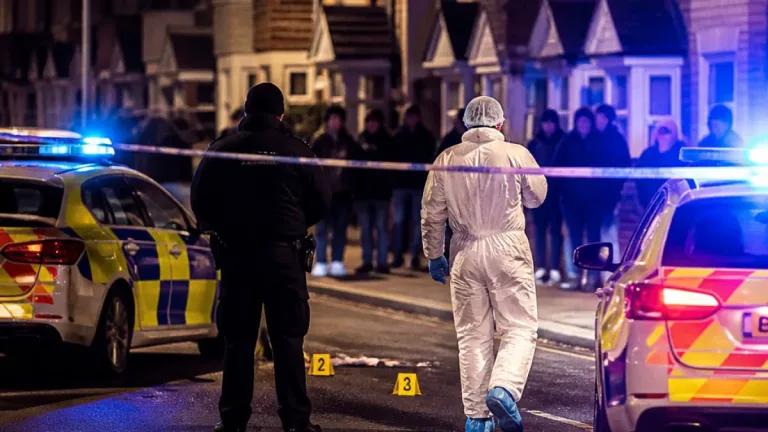
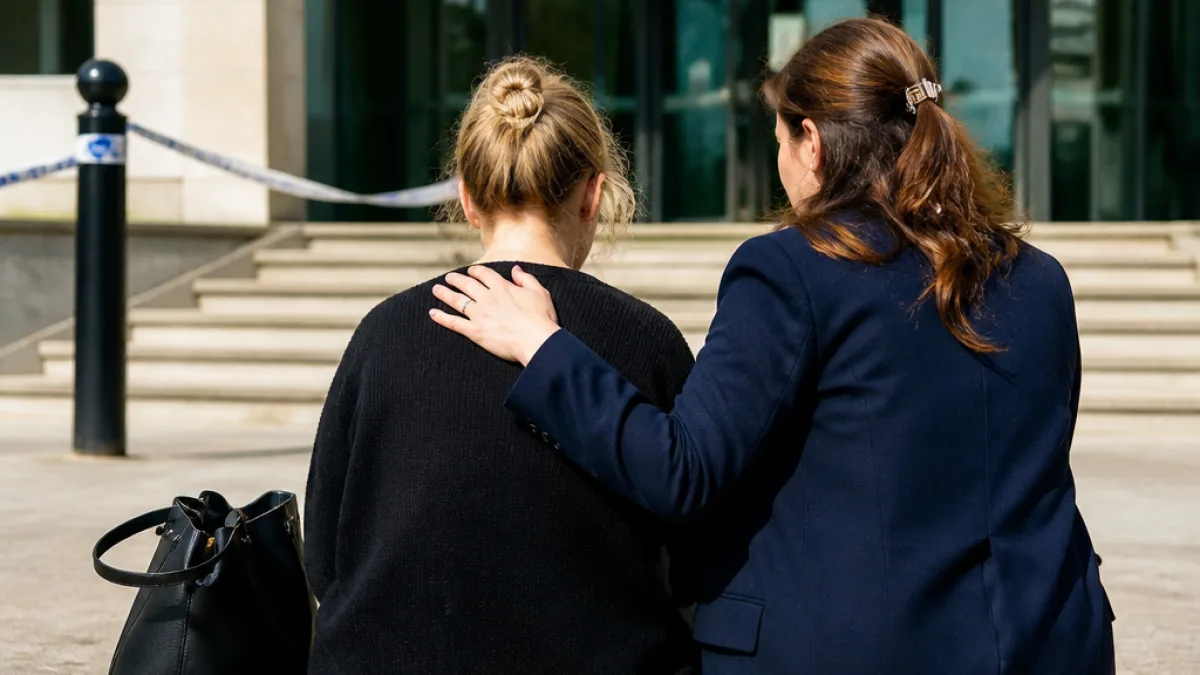
One woman who chose to speak out after being sexually assaulted has described reporting the crime as the hardest thing she has ever done — and urged others to do the same — after her attacker was sentenced to 13 years in prison.
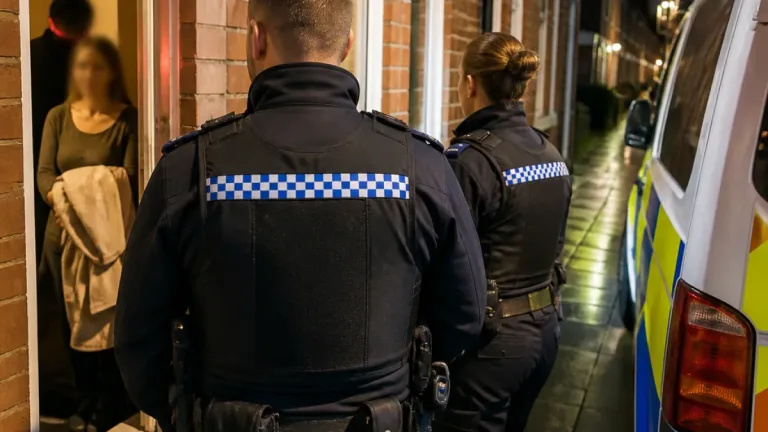
Speaking under the name Penny, she said the immediate response from officers was pivotal: being heard and believed gave her the validation she needed to persevere through the criminal justice process.
“In those first moments, the officers who responded listened to me, believed me about what had happened and made me feel that I was doing the right thing by reporting,” she said.
Convictions and sentences across Devon and Cornwall
Devon and Cornwall Police have published figures for the first six months of 2026 showing a substantial number of sex-offence convictions. Between January and June, 138 sex offenders were found guilty, including 55 rapists responsible for 99 rapes. Collectively these offenders been handed almost 400 years behind bars.
| Metric | January–June 2026 |
|---|---|
| Sex offender convictions | 138 |
| Rapists convicted | 55 |
| Rapes recorded in convictions | 99 |
| Combined custodial years | Nearly 400 years |
Support and reporting
Penny described the months that followed her report as “long and emotionally challenging” but said she benefitted from the ongoing help of an Independent Sexual Violence Advisor (ISVA), who supported her through the investigation and court process.
She urged anyone who has suffered rape or sexual violence to report the incident, arguing that having the experience officially recognised can be an important first step on the path to justice and recovery.
Chief Inspector Zoe Taylor commented on the outcome, saying the convictions reflect the force’s commitment to pursuing justice for survivors and removing dangerous offenders from the community. She acknowledged the courage required for victims to come forward and emphasised the need for victims to receive appropriate support.
- If you have been assaulted: you can report to Devon and Cornwall Police — emergency calls to 999 if the incident is ongoing or if anyone is at immediate risk.
- Non-emergency reporting: contact the police online or by dialling 101 for advice and to begin an investigation.
- Specialist support: ISVAs and local sexual violence support services can provide emotional support, practical guidance and help through the criminal justice system.
The figures underline both the scale of sexual offending brought to justice in the region and the continued need for accessible support for survivors. For many victims, the decision to report is surrounded by fear, doubt and uncertainty — Penny’s account illustrates how an early response that listens and believes can change the trajectory of a case and lead to conviction.