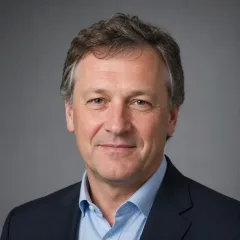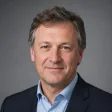
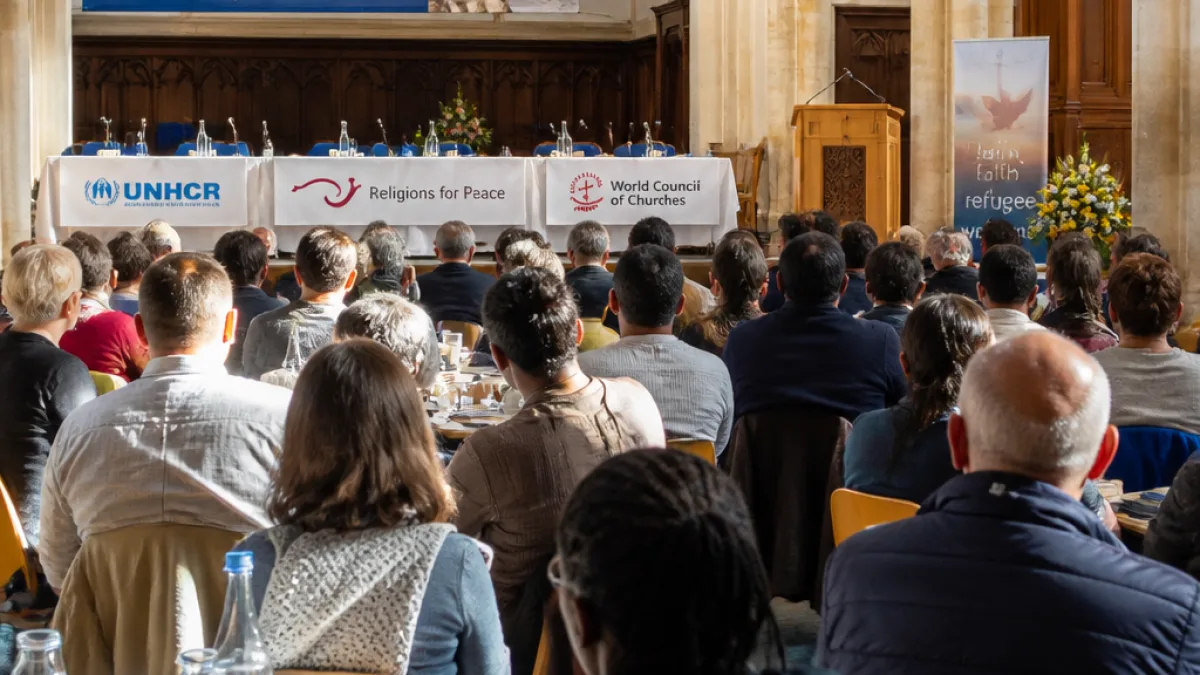
Bishop Prof. Dr Heinrich Bedford‑Strohm, moderator of the World Council of Churches (WCC) central committee, is among senior faith leaders taking part in a high‑level Multi‑stakeholder Dialogue on Displacement and Shared Sacred Flourishing on 28 July. The event, organised by Religions for Peace and the UN High Commissioner for Refugees (UNHCR), will include closed and broader sessions aimed at strengthening protection, dignity and social cohesion for displaced populations.
Faith leaders and humanitarian partners to engage
Those taking part include senior figures from several traditions. The programme brings together members of the Multi‑Religious Council of Leaders, UN agencies, faith‑based organisations, refugee representatives and humanitarian and development partners. Alongside the dialogue, a commemorative reception will mark the 75th anniversary of the 1951 Refugee Convention.
“How we deal with the weakest members of our global community is a test for our humanity,”
The bishop underscored the moral and practical importance of the gathering. He said refugees frequently endure «danger, insecurity, and unfortunately often also xenophobia» during their search for safety and described UNHCR as a "beacon of light" in refugee protection. He also affirmed his role on UNHCR’s Multi‑Religious Council of Leaders, framing care for displaced people as both a political responsibility and a religious duty.
Programme aims and format
According to organisers, the day will feature:
- a closed‑door discussion between members of the Multi‑Religious Council of Leaders and UNHCR leadership;
- a broader multi‑stakeholder dialogue with representatives from the UN system, faith groups, refugee communities and humanitarian partners;
- a reception to mark the Refugee Convention anniversary.
The exercise is presented as an opportunity for open exchange between humanitarian actors and faith leaders and to explore how a values‑based framework, described as "Shared Sacred Flourishing," might be applied in displacement contexts to find durable solutions and bolster social cohesion.
Local and international implications
For faith communities and local voluntary organisations working with refugees, the dialogue could translate into stronger partnerships and clearer guidance on how religious actors can support protection and integration. At the international level, the involvement of religious leaders alongside UN agencies points to continued emphasis on multi‑sectoral approaches to forced displacement.
| Element | Detail |
|---|---|
| Date | 28 July |
| Organisers | Religions for Peace and UNHCR |
| Main participating body | World Council of Churches (represented by Bishop Bedford‑Strohm) |
As the humanitarian community marks the Refugee Convention’s 75th year, this dialogue brings into focus the role of values, faith and inter‑religious collaboration in addressing displacement — themes likely to shape policy debate and grassroots activity alike.