Apology issued after months of complaints over foul tap water
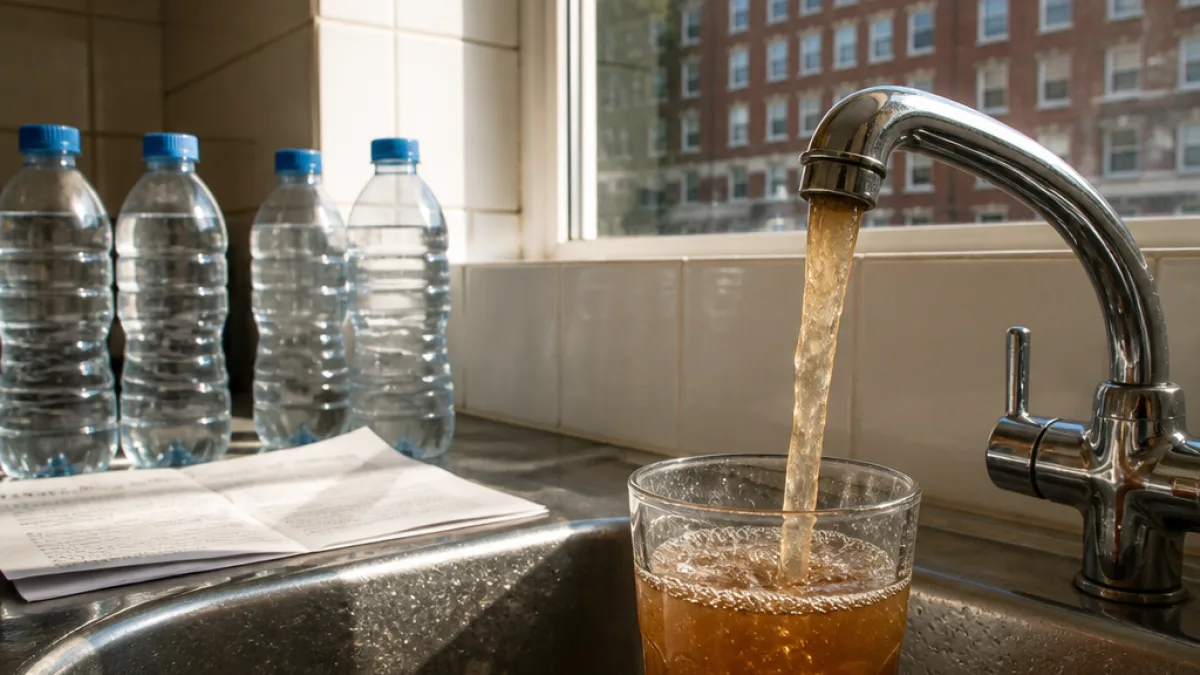
Westminster City Council has apologised to residents of Morgan House on the Lillington and Longmoor Gardens Estate after an incident in April 2025 left tap water discoloured and giving off what tenants described as a petrol‑type odour. Tenants told the Local Democracy Reporting Service they had lived with foul‑smelling supplies for weeks, with some reporting irritated, itchy skin and lingering anxiety about whether the water is safe.
Following a meeting on 7 July, officers committed to send a formal apology to every household in the block and to carry out further checks on the building’s water systems. The pledge follows repeated requests from residents who said they did not believe sufficient testing had taken place inside the building to rule out contamination.
Residents say trust has been eroded
Frustration among tenants has been palpable over the past year. Some residents say they had to chase answers themselves, pushing for more rigorous investigation into possible contamination, including hydrocarbons, which standard checks can miss.
“No resident should ever smell a petrol‑type substance in their tap water. Industry guidance says any hydrocarbon odour should trigger an immediate investigation.
Instead, residents spent a year doing the work themselves - we had to become Erin Brockovich while being blocked and brushed aside.
The housing function wasn't equipped to deal with such an incident: the councillor responsible lacked the experience, officers didn't follow guidance or established due diligence, and Stuart Love, the [Westminster City Council] CEO, didn't intervene.”
The resident who spoke after the 7 July meeting added that the priority now is to identify what caused the contamination and secure assurances about future safety.
Dispute over source of the problem
The council has previously pointed to the wider network as a potential source, but Thames Water stated its tests of the incoming supply found no issues. Residents also reported that hot water taps were affected during the incident. The council said statutory pH tests taken on the hot water system in the plant room were normal. However, as acknowledged by campaigners, pH readings alone would not detect the presence of hydrocarbons, underlining the need for broader screening when odours are reported.
In June and July 2025, the council said it tested multiple supplies serving the building. Residents maintain that the scope and methodology of testing must be comprehensive enough to confirm drinking water quality at the tap, across the network within the block, and over time.
Timeline of key developments
| Date | What happened |
|---|---|
| April 2025 | Incident reported by tenants: brown, petrol‑smelling tap water at Morgan House |
| June 2025 | Residents tell the Local Democracy Reporting Service they have endured issues for two months and report skin irritation |
| June–July 2025 | Council undertakes testing of supplies; Thames Water says its incoming supply tests show no problems |
| 7 July (meeting) | Council officers promise a formal apology letter to residents and further testing to evidence safety |
What residents want to know next
While the council’s apology acknowledges the disruption and concern caused, tenants say practical reassurance will only come from targeted testing that addresses the specific risks flagged by odour complaints. They also want clarity on responsibilities between the building’s internal systems and the mains supply, and a clear account of how future incidents will be handled.
- Cause and scope: Identification of any contamination pathways within the building’s systems.
- Testing regime: Confirmation that analyses go beyond pH and include substances consistent with petrol‑type smells.
- Accountability: A transparent plan outlining roles for both the council and the water company if problems recur.
Council promises further checks and written apology
Officers have agreed to write to all households in Morgan House and to test all relevant supplies so residents can be confident about potability. The difference between the council’s initial emphasis on statutory pH testing and residents’ calls for broader chemical screening has become a focal point of the dispute. With Thames Water reporting no issues on the incoming side, attention is likely to remain on internal distribution and hot water systems, where odour and colour were noticed.
The council’s next steps will be closely watched by tenants who say the experience has shaken confidence in local housing management. The stated objective now is not only to establish the water’s safety but to set a response protocol that reflects industry guidance whenever odours are reported. Until the promised test results are shared and explained, residents say concerns will persist.