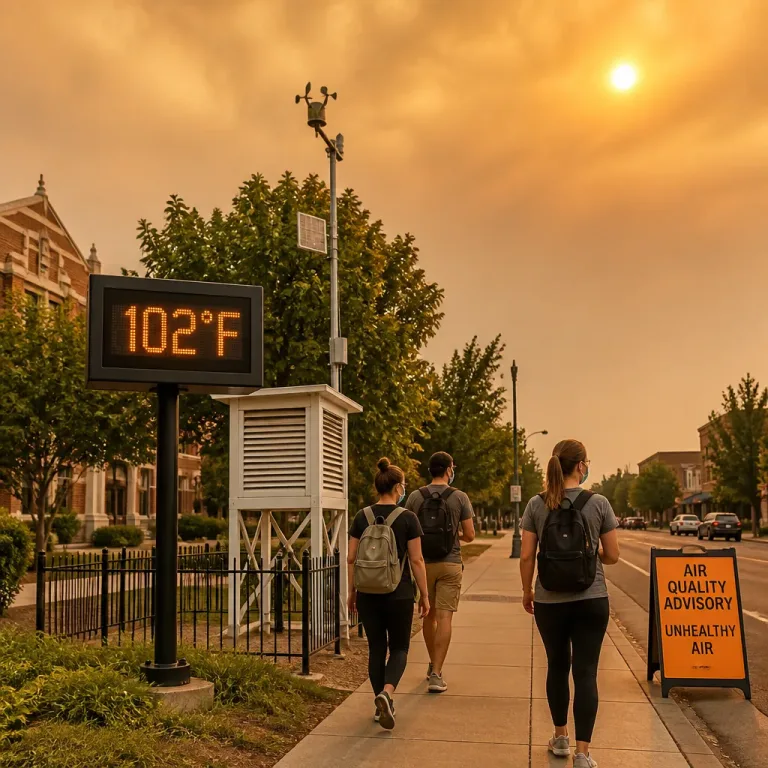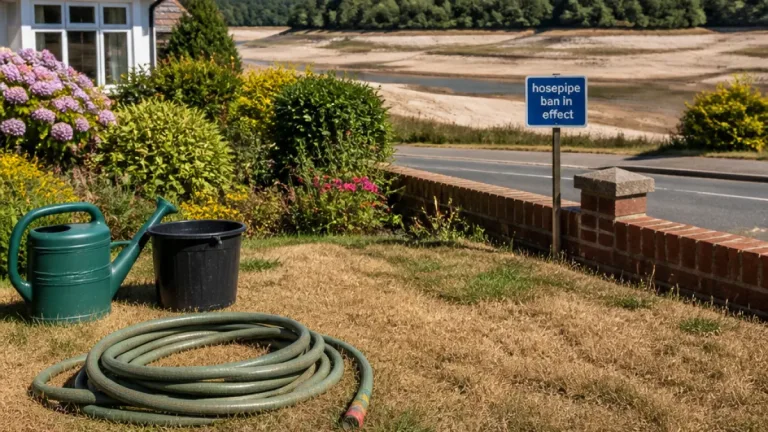

The UK Health Security Agency (UKHSA) has issued a yellow heat-health warning for the East of England that includes Norfolk, as temperatures are forecast to rise again this weekend. The alert runs from 9am on Friday until 9am on Sunday, covering a period when the county is expected to experience its warmest weather so far this summer.
Where and when the heat will peak
Forecast highs for the county this weekend vary by location, with central and western parts of Norfolk likely to be hottest. Forecasters expect:
- Thetford: 28C on Saturday
- Norwich: 28C on Saturday
- Attleborough: 27C on Saturday
- Great Yarmouth: 26C on Saturday
- Sheringham: 25C on Saturday
While the warning does not at present extend beyond the weekend, forecasts indicate that warm conditions will persist into next week. Projected peaks for next week include up to 31C in Thetford on Wednesday and highs of 29C in Norwich on Wednesday and Thursday.
Practical information for residents and services
A yellow level alert signals that hot weather could have a moderate impact on health services and the public. People most at risk include older residents, very young children, those with chronic health conditions and anyone working outdoors. Local services and employers should be aware of the potential for increased demand and consider measures to reduce heat exposure.
Simple precautions that can help reduce risk include staying hydrated, avoiding strenuous activity during the hottest hours, keeping living spaces cool and checking on vulnerable neighbours or relatives. Employers and event organisers should review plans where people will be exposed to the heat.
Temperatures at a glance
| Location | Peak (Saturday) | Projected peak (next week) |
|---|---|---|
| Thetford | 28C | 31C (Wednesday) |
| Norwich | 28C | 29C (Wed/Thu) |
| Attleborough | 27C | 30C (Wednesday) |
| Great Yarmouth | 26C | 25C (Wed/Thu) |
| Sheringham | 25C | — |
Residents should monitor local forecasts and public-health guidance as the situation develops. The UKHSA heat-health warnings are designed to give advance notice so people and services can take proportionate steps to reduce the risks associated with high temperatures.
Further updates on weather and any changes to the alert level will be available from meteorological services and local authorities.