Hidden histories, lasting consequences
The process by which babies were removed from unmarried mothers in past decades has left deep, personal legacies for people in Medway. One such survivor, born in 1970 in Liverpool and now living in Chatham, has spoken about the enduring effects of what she describes as a forced adoption and the erasure of her original identity.
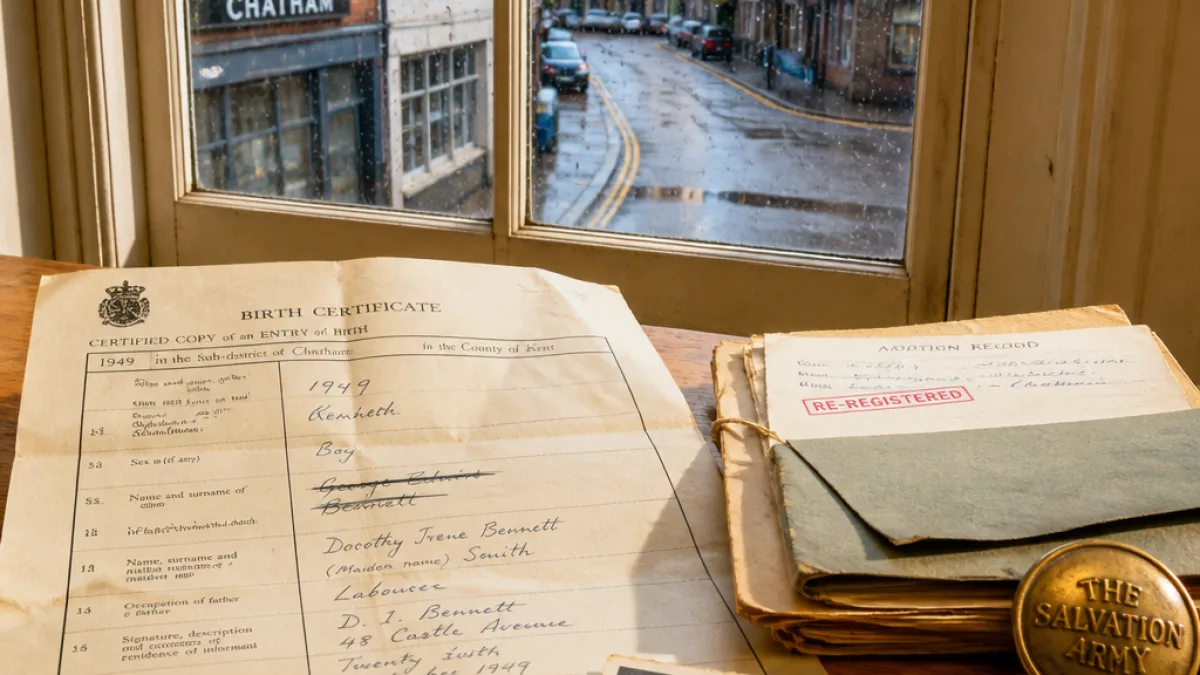
Raised by Salvation Army officers and later working as an independent chaplain and Church of England survivor engagement consultant, the woman — who grew up knowing she was adopted — says secrecy was central to how adoptions were managed in her case. She learned that her birth name had been changed within months of birth and that official documents had been altered, with the space for her father's name crossed through on her original birth certificate.
"I've always known I was adopted," she told a columnist. "In those days everything was secret. Your identity was changed. People were encouraged to keep quiet about it."
Reunion and complicated answers
Her search for answers led her to trace and meet her birth mother at the age of 25. The meeting lasted about an hour. While her mother expressed that she had not wanted to give her baby up, she made clear she could not have a relationship with the daughter she had been obliged to part with.
For the Chatham woman, faith and personal forgiveness have helped her come to terms with the past. Yet she also stresses the context: unmarried pregnant women at that time faced extreme social stigma and immense pressure from institutions and family. This, she says, contributed to decisions in which women were coerced or manipulated into surrendering their children.
Why this matters locally
The story matters to Medway because survivors and adoptees in the area continue to seek recognition, records and sometimes reunion. It adds to a broader national conversation about how past adoption practices were regulated and the role of charities and churches in those systems. For residents with similar histories, it is a reminder of the long-term emotional and practical consequences of adoption practices carried out in secrecy.
- Born: 1970, Liverpool
- Raised by: Salvation Army officers
- Reunion: Met birth mother at age 25
- Current role: Independent chaplain and adoptee advocate
| Year / Age | Event |
|---|---|
| 1970 | Born and adopted; name changed on records |
| Age 25 | Located and met birth mother |
Local services, support groups and campaigners continue to work with adoptees and birth families to uncover records and provide counselling. The woman's experience — at once heartbreaking and resolved to a degree by forgiveness — underscores why many survivors press for transparency and access to accurate records.
Her account is also a prompt for anyone in Medway affected by past adoption practices to consider where to seek support, whether through national adoptee organisations, local counselling services, or legal advice about accessing original birth documents.
For readers with similar experiences, the conversation about forced adoptions is not only historical: it shapes identity, family connections and the search for truth for people across our communities.