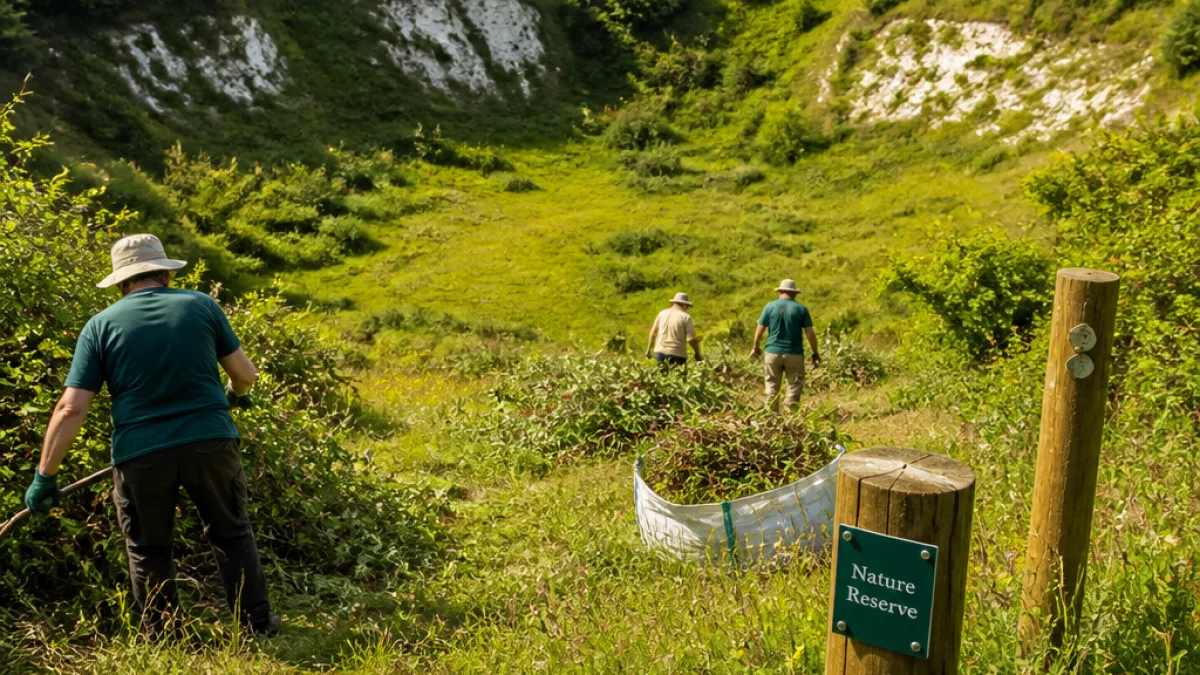
Two long-disused chalk pits on the ridge between Blue Bell Hill and Eccles, just outside Maidstone, have been handed into the care of the Kent Wildlife Trust after a local benefactor purchased the land and donated it to the charity. The move secures the future of the pits, which are valued for both their geological fossils and the rich chalk grassland habitat that has developed since quarrying ceased.
Why the site matters
The pits, known as Greater and Lower Culand Pits, were originally excavated to supply the brick and cement industries. Quarrying stopped in the early 20th century and, over many decades, nature has recolonised the working hollows. The Trust has managed the area for decades under an agreement with the landowner but did not own the site outright.
Fossils recovered from the chalk include remains dating from the Cretaceous period—around 100 million years ago—including several species of pterosaur and marine reptiles such as plesiosaurs, as well as turtles and fish. Today the pits support species-rich chalk grassland and a variety of wildflowers.
How the purchase came about
This year Trenport, the company that had owned the land since acquiring it from Blue Circle Cement 25 years ago, decided the pits were surplus to requirements and put them on the market with an asking price of £320,000. The trust feared that a developer might buy the sites, potentially jeopardising both their geological and ecological value.
Instead, a local supporter stepped in, bought both pits and transferred ownership to the Kent Wildlife Trust. The donor has asked to remain anonymous; the trust says the person is a long-term supporter who lives locally.
“We did not have the resources to purchase Culand Pits ourselves, so we are extremely grateful to our very generous donor,” said Steven Weeks, area manager for the Kent Wildlife Trust.
What this means for the local area
For communities in and around Maidstone and neighbouring Medway, the purchase ensures continued protection of an area with scientific, educational and recreational value. The Trust will continue managing the sites, preserving both the exposed geological sections that yield fossils and the chalk grassland habitats that support specialised flora and fauna.
- Ownership transferred to Kent Wildlife Trust following donation by an anonymous local supporter.
- Sites were marketed at an asking price of £320,000 after being declared surplus by Trenport.
- Area notable for Cretaceous fossils and species-rich chalk grassland.
| Feature | Significance |
|---|---|
| Fossils | Pterosaur species, plesiosaurs, turtles and fish from ~100 million years ago |
| Habitat | Chalk grassland with diverse wildflowers |
| Location | Between Blue Bell Hill and Eccles, near Maidstone |
The Trust’s stewardship is likely to support both conservation objectives and opportunities for public engagement with the landscape’s natural and palaeontological heritage. Local residents and schools may benefit from continued access to a managed nature reserve, while researchers retain an important site for study of Cretaceous deposits in Kent.
For now, the immediate outcome is protection from development that might have altered or destroyed the exposed chalk faces and the habitats they support. The anonymous donation has therefore removed a pressing threat and handed responsibility for the sites to an organisation experienced in balancing conservation, education and public access.