Cambridgeshire drivers were recorded running red lights 1,229 times between January 2023 and March 2026, new figures show, prompting concerns about junction safety and the risks to pedestrians and cyclists.
Numbers and trends
Data obtained via a Freedom of Information request by online car retailer cinch and supplied by Cambridgeshire Constabulary shows the total of 1,229 offences for failing to comply with a red traffic signal across a 39‑month period.
| Year / Period | Recorded offences |
|---|---|
| 2023 | 209 |
| 2024 | 549 |
| 2025 | 272 |
| Jan–Mar 2026 | 199 |
The highest number of incidents occurred between 9pm and 4.59am, with 371 offences recorded during those hours. November 2025 was the busiest month last year with 58 offences.
Where offences were concentrated
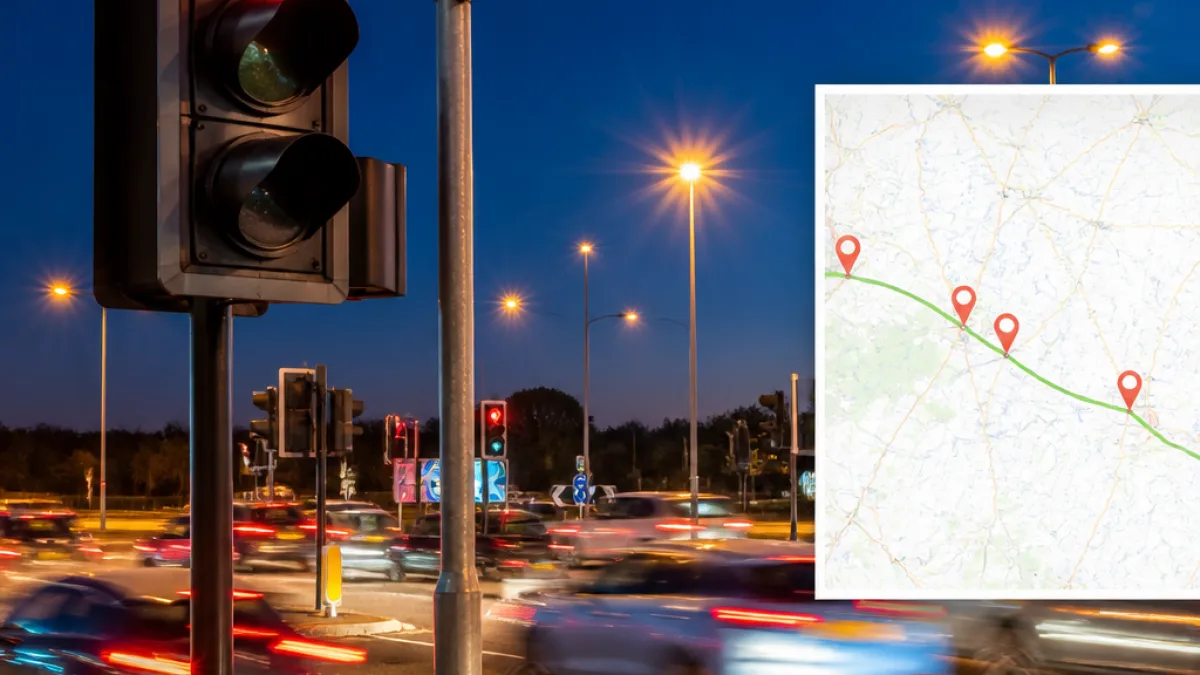
Police data highlighted several hotspots for red light breaches, including the A1 southbound at junction MP 2043B and multiple locations along the A14, both eastbound and westbound.
Outcome for drivers
Of those recorded, the majority were directed towards retraining: 734 drivers completed a retraining course. A further 83 drivers received fines and another 83 cases were referred to court.
“Driving through a red light can happen when drivers misjudge the timing of a light changing from green to amber to red, or attempt to make it through a junction too late,” said Ben Welham, motoring expert at cinch. “However, failing to stop at a red light can put motorists, cyclists and pedestrians at serious risk, particularly at busy junctions where multiple lanes of traffic are moving at once.”
What this means locally
The figures underline continuing enforcement activity and the challenges of junction safety on busy county routes. The concentration of incidents at night suggests a mix of factors may be at play, including reduced visibility, driver fatigue or higher speeds.
- Public safety risk: Red light breaches can lead to high‑impact collisions, especially where multi‑lane traffic flows converge.
- Enforcement approach: Most offenders are steered towards retraining rather than immediate fines or prosecution.
- Hotspot monitoring: Major routes such as the A1 and A14 appear repeatedly in the data and may be priorities for targeted enforcement.
Motorists should be aware that enforcement continues and that penalties can range from mandatory retraining to fines and court action. For pedestrians and cyclists, the data acts as a reminder to take extra care at signalised junctions, particularly during late evening and early morning hours.
Cambridgeshire Constabulary and local road-safety partners have not published an immediate response to the figures supplied through the FOI request. Councils and police forces often use such datasets to direct safety campaigns, review signal timings and consider engineering changes at junctions identified as problem sites.
Readers who witness dangerous junction behaviour are advised to report concerns to local policing teams and to take care when crossing or cycling at signalised intersections.