India's education minister, Dharmendra Pradhan, resigned on 25 July 2026 after weeks of sustained protests demanding accountability over alleged leaks in some of the country's most competitive entrance examinations.
Resignation follows month of student-led unrest
The decision was announced by Pradhan in a post on X and was swiftly hailed as a victory by the protest movement at the centre of the unrest. The demonstrators — who began mobilising more than a month ago after allegations of exam leaks surfaced — had expanded their demands to include broader education reform and concerns about unemployment and government accountability.
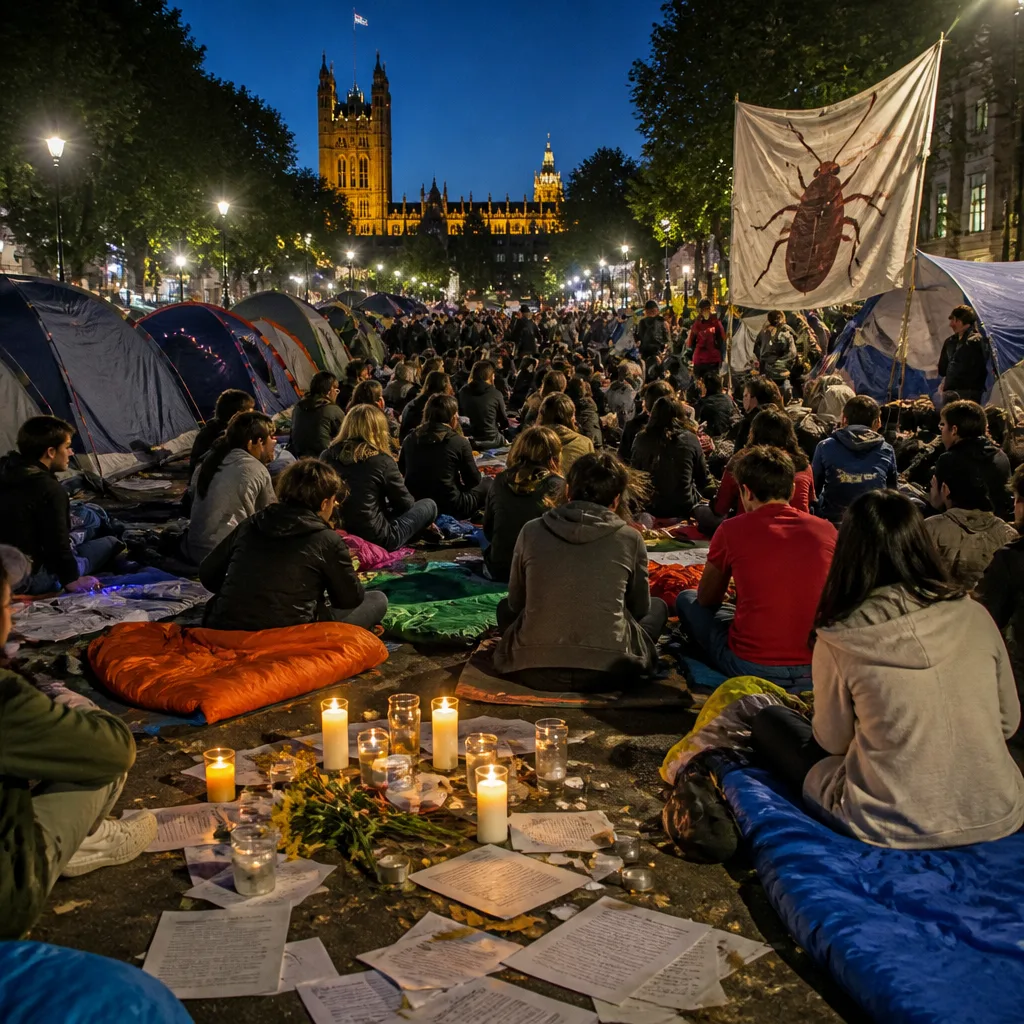
Protesters organised sit‑ins, rallies and hunger strikes across multiple cities, with large encampments in New Delhi among the most visible. The movement attracted students, professionals, families and activists who said they were determined to secure systemic change.
Public response and immediate consequences
News of the resignation triggered celebrations among those who had been camped at the New Delhi protest site for weeks. Supporters embraced and waved national flags as the announcement was made.
“This had to be done. Someone must be held accountable,”
said Prachi Kumar, a corporate employee who had joined the demonstrations. The protest group that led the campaign declared victory following the resignation, posting: “DEMOCRACY WINS!”
Context: how the protests grew
What began as a response to alleged paper leaks in major entrance exams evolved into a larger movement pressing for transparency and reform in the education system. The demonstrations spread from New Delhi to other cities, drawing thousands onto the streets and into extended protests that continued despite repeated attempts by police to disperse gatherings.
- Duration: More than a month of protests prior to the resignation.
- Actions by demonstrators: Sit‑ins, rallies, hunger strikes and persistent encampments.
- Authorities' response: Police action, including use of tear gas and batons, was reported during attempts to disperse some marches.
What this means for education policy and accountability
The resignation represents the first major concession by the central government to date in response to this wave of public dissent. While the move addresses the immediate demand for political accountability at ministerial level, protesters have framed their campaign around wider reforms to examination administration and oversight. The coming days are likely to focus on whether broader policy changes or institutional investigations follow the minister’s departure.
| Event | Detail |
|---|---|
| Trigger | Alleged leaks in major entrance exams |
| Actions | Nationwide protests, sit‑ins, hunger strikes |
| Outcome (25 July 2026) | Resignation of Education Minister Dharmendra Pradhan |
For students and families navigating entrance exams and admissions, the immediate impact is likely to be political and symbolic: a powerful demonstration that mobilisation can secure accountability at senior levels. The practical implications — including any procedural reforms to exam conduct, investigation results or compensation measures — will depend on steps taken next by the government and any independent inquiries launched in response to the allegations.
Reporting will follow developments on formal investigations, statements from central ministers and any proposals put forward to reform exam administration and oversight.