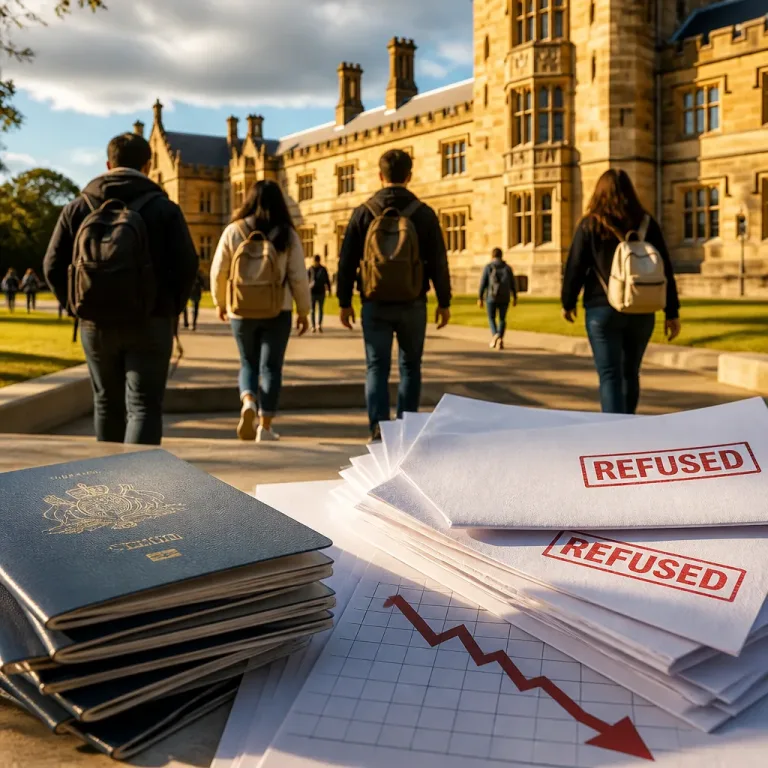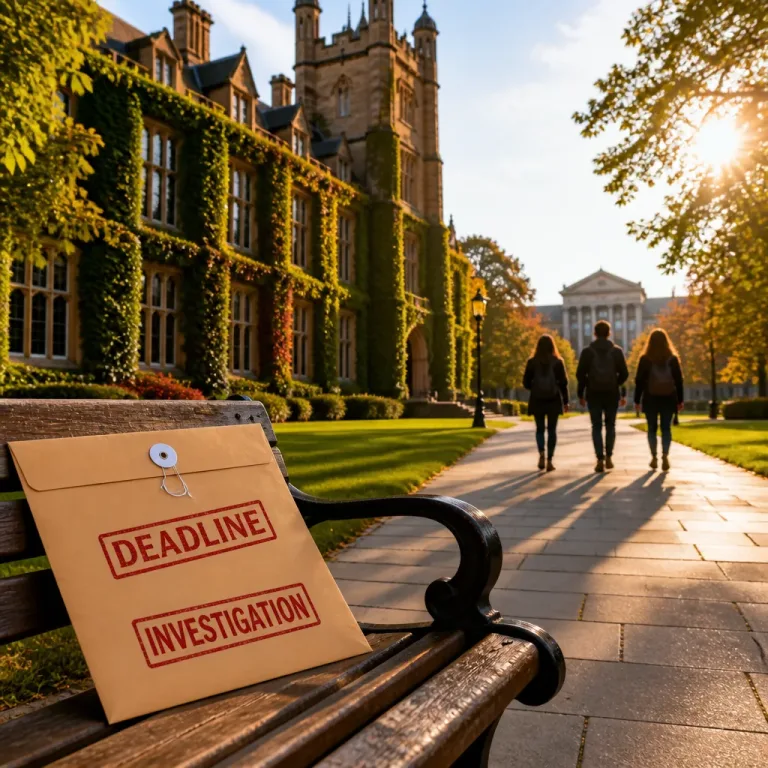
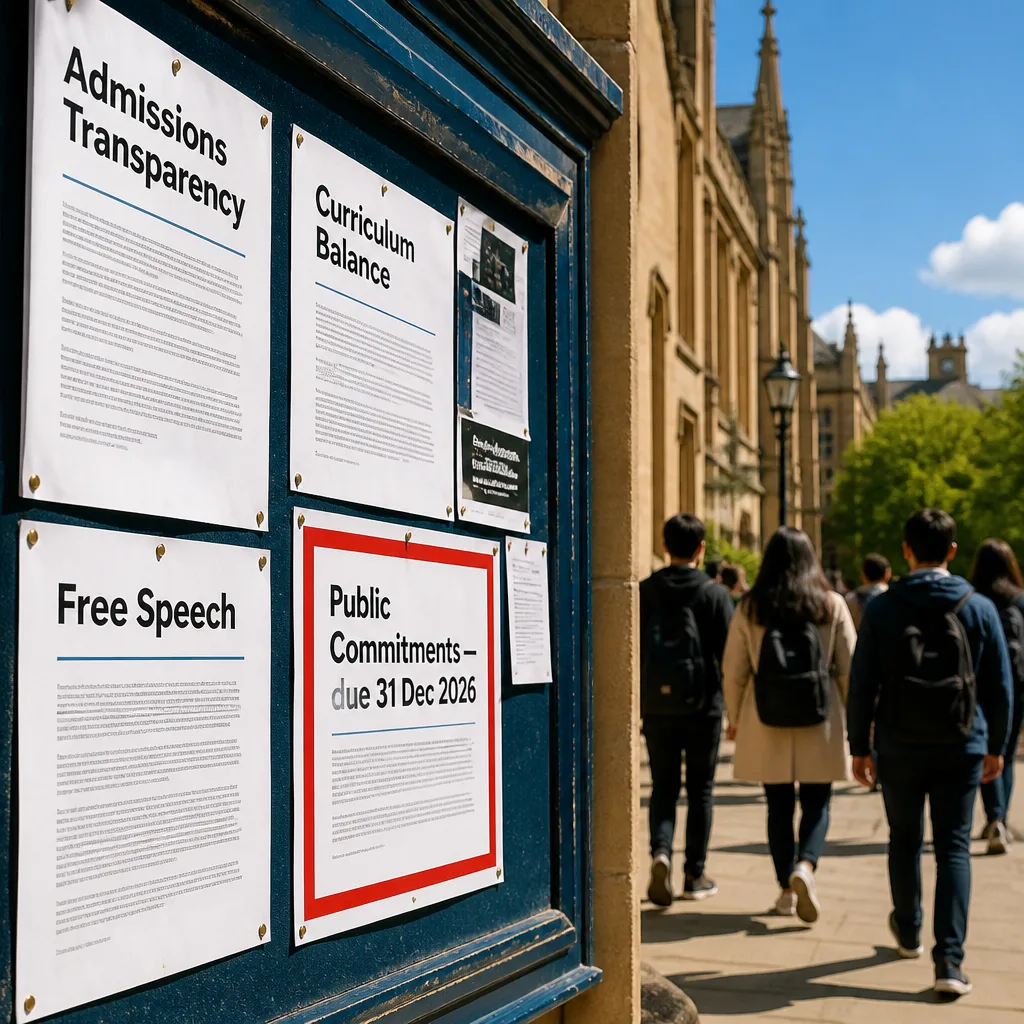
Education Secretary Linda McMahon has asked all US colleges and universities to publish public commitments to a set of campus reforms endorsed by the Trump administration, with a deadline of the end of 2026. The move follows an earlier attempt this year to secure a much stricter set of pledges from a smaller group of institutions.
What McMahon has asked institutions to do
In an open letter released on Monday, McMahon requested that colleges respond on how they will address several broad areas that reflect current Department of Education priorities. The letter seeks greater institutional openness around admissions and course priorities and stresses the need for a campus environment that protects free expression while preventing disruptive demonstrations.
- Admissions transparency and assurances that selection processes are merit-based.
- Measures to promote free speech alongside steps to deter what the letter calls "unruly and violent protestors".
- Encouragement of intellectual pluralism, with a call to appoint academics representing a range of perspectives.
- Action to ensure students are enrolled on programmes deemed to provide “high-return” degrees.
The letter echoes concerns expressed by the administration earlier in the year, when a proposed, more demanding compact — which would have included restrictions on international students, adoption of conservative gender definitions and a tuition freeze — was widely rebuffed.
“Americans’ trust in universities has reached record lows.”
Enforcement and consequences
Notably, the new request does not attach sanctions. McMahon's letter asks institutions to post statements setting out how they will meet the requested reforms, but it does not link compliance to federal research funding and does not specify penalties for failure to meet the deadline.
That contrasts with the earlier initiative in which the administration sought signatures on a much stricter compact. That proposal, which included measures such as restricting certain categories of international students, imposing conservative definitions of gender and freezing tuition, met strong opposition and was largely rejected by Democratic elected officials and many institutions.
Context and likely implications
The Department of Education's renewed push highlights continuing tensions over higher education policy, especially around campus governance, academic priorities and free speech. By asking institutions to be publicly transparent, the department aims to increase scrutiny of university practices, but the lack of tied funding consequences means responses are likely to vary.
Universities now face a choice about how to respond before the end-of-year deadline. Some may post detailed plans addressing the areas named in the letter; others may provide limited responses or decline to engage substantively. The administration’s approach relies on public accountability rather than formal enforcement through funding mechanisms.
| Element | What the letter requests |
|---|---|
| Deadline | End of 2026 |
| Scope | All US colleges and universities |
| Enforcement | No funding conditions or specified penalties |
Parents and students watching US higher education policy should expect a range of institutional responses and continued political debate over how universities balance academic autonomy, student safety and public accountability. With public trust in higher education cited as low, the administration's request signals further scrutiny of university practices but stops short of coercive measures tied to federal grants.