Major step towards redevelopment of landmark education site
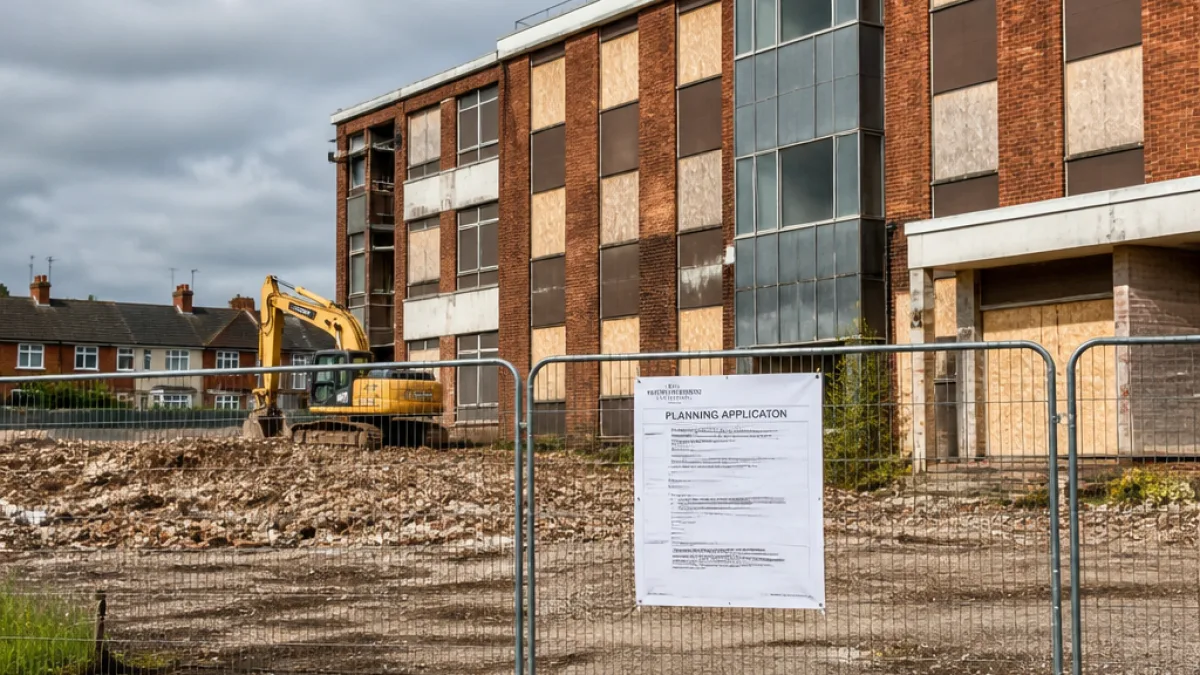
A planning application has been submitted to Wolverhampton City Council to demolish 12 buildings at the former City of Wolverhampton College campus on Paget Road, Compton. The campus — widely known locally as the former Wulfrun Campus — closed last year, ending more than six decades of use after opening in the 1960s.
The submission is the clearest signal yet that the long-mooted redevelopment of the site is moving forward. When teaching relocated to the college’s new £61m City Learning Quarter in the city centre, the Compton estate was identified for future housing. Demolition would clear the way for that next stage, subject to separate planning consents for any new homes.
Why now, and what will change
The college’s transition to purpose-built facilities in the city centre consolidated teaching and student services on fewer sites. Vacating the Paget Road buildings has left a sizeable brownfield plot in Compton. The current application focuses solely on clearing the existing fabric — not on the specifics of any new build — and asks the council for permission to systematically remove the structures that made up the education complex.
- Location: Former Wulfrun Campus, Paget Road, Compton
- Proposal: Demolition of 12 buildings on the former college site
- Status: Application lodged with Wolverhampton City Council
- Context: Education provision relocated to the new City Learning Quarter
In planning terms, demolition consent involves assessing matters such as safe site clearance, heritage considerations where relevant, and the management of noise, dust and traffic during works. Any later proposal to build housing would trigger a separate round of planning scrutiny covering layout, design, access and infrastructure.
From classrooms to future homes
The Compton campus served thousands of learners across multiple generations, from engineering workshops and computing suites to evening shorthand classes. Its closure marked the end of an era for many residents who had studied or worked there and later shared their recollections when the gates finally shut. One staff member reflected on their time at the site, saying they had spent
"18 very happy years"working on campus.
For the neighbourhood, the change will be tangible: moving from a dispersed education complex to a cleared plot that could be reimagined for housing. While no new-build application is on the table within this demolition bid, the site has already been earmarked for residential use by the college, aligning with the city’s wider aims to make better use of brownfield land.
City Learning Quarter: why the shift happened
The college has argued that relocating to the City Learning Quarter provides students with modern, purpose-designed facilities in the heart of Wolverhampton. Concentrating the college’s footprint supports easier access via public transport and brings student activity closer to services and employers. The move is part of a broader pattern seen nationally: consolidating older multi-block campuses into new energy-efficient buildings in central locations.
| Site | Location | Status | Notable detail |
|---|---|---|---|
| Wulfrun Campus | Paget Road, Compton | Closed last year | Opened in the 1960s; demolition now proposed |
| City Learning Quarter | City centre | Operational | Investment of £61m; purpose-built facilities |
What happens next and how residents can engage
The application will be processed by the council’s planning team. Once validated, documents are typically published via the council’s planning portal, where the public can view the plans and submit comments. Determination will consider technical reports submitted by the applicant and feedback from consultees and residents. If approved, any demolition would be governed by conditions setting out how the works are managed to minimise disruption.
Residents living close to the site often ask what demolition means day to day. In practical terms, conditions commonly cover items such as working hours, routes for site vehicles, site fencing, waste management and controls on dust and noise. These details are generally contained in a demolition management plan submitted to the council before works begin.
Local significance of a long-serving campus
Although the buildings themselves are earmarked to go, the institution’s legacy is embedded in the careers and friendships formed there. Former students have described how learning at Compton set them up for work in a range of trades and professions, underlining the role the campus played in the city’s skills story. If the site ultimately becomes housing, it will enter a new chapter — one shaped by the city’s growth pressures and its strategy to channel development towards previously used land.
InfoRadar will continue to follow the progress of the application, including the validation stage, any public consultation window and the final decision. Residents who wish to keep track should look out for the application on the council’s online planning pages and consider submitting observations once the formal consultation opens.