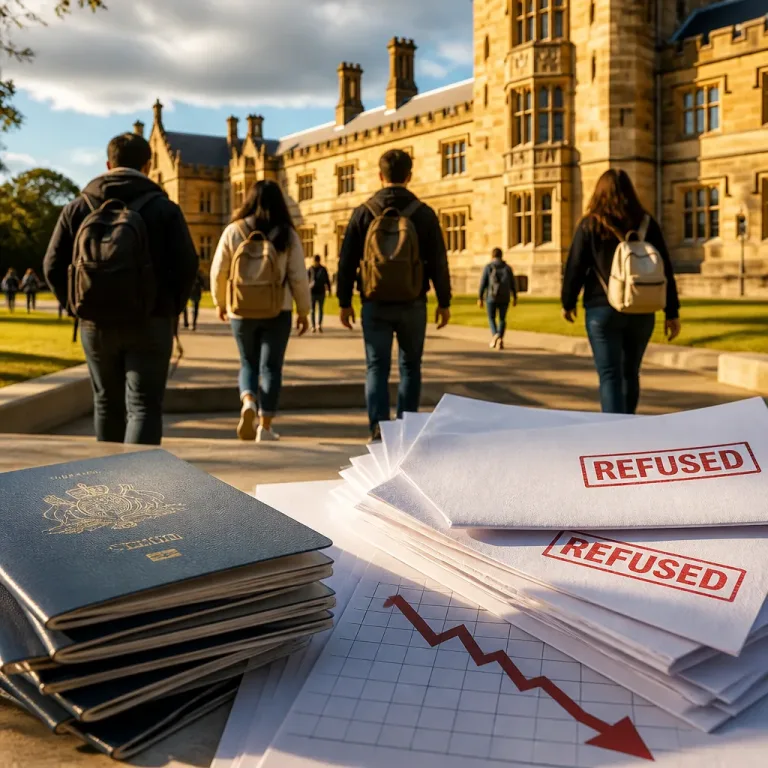
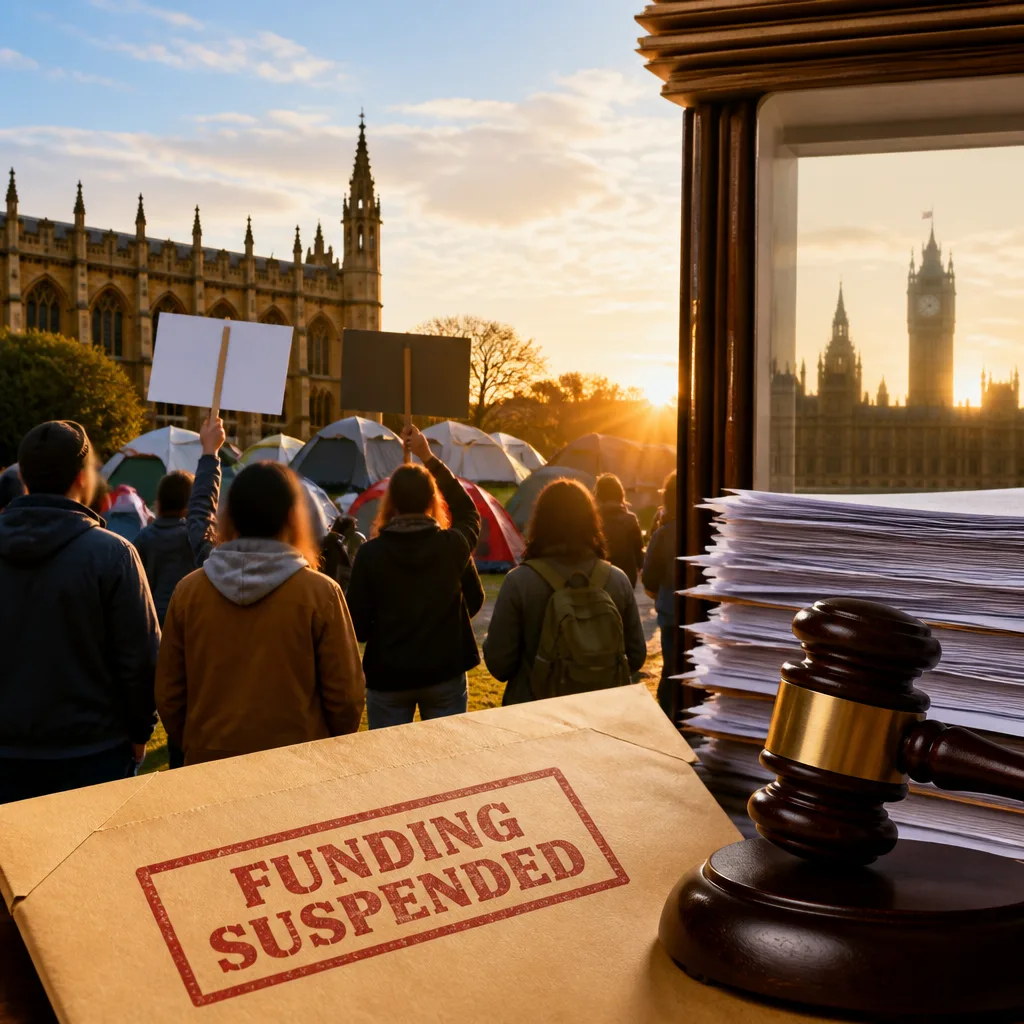
Upon assuming the presidency for a second term, the administration moved swiftly to use federal oversight and executive tools to try to reshape higher education, opening Title VI and Title IX investigations into several colleges and universities and tying compliance to funding.
What the administration targeted
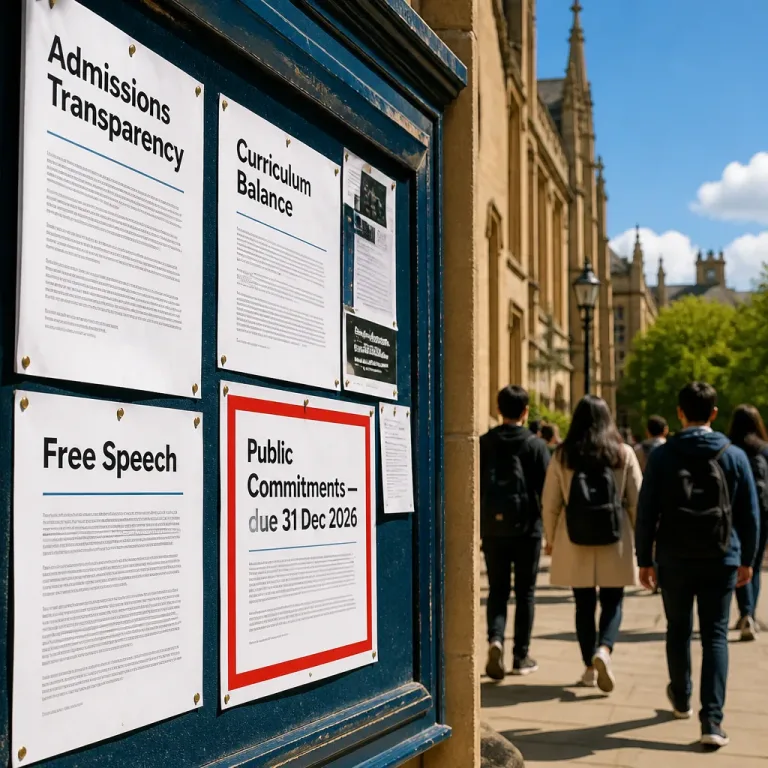
Investigations were launched in response to campus incidents and policy areas that included alleged anti‑Semitism, pro‑Palestine‑Hamas encampments and protests, diversity, equity and inclusion (DEI) initiatives, and the participation of biological males in women’s sports. At the same time, the administration advanced executive orders intended to alter how higher education funding, grants and loans are allocated.
Tools used and immediate effects
Federal departments applied pressure by cutting or freezing significant streams of federal funding to institutions until universities either acquiesced or reached agreements with the government. Many of these arrangements were resolved through what are described as Case Resolution Agreements, by which institutions and federal authorities settled compliance concerns without litigation.
“The government is required to conduct a thorough investigation, inform a university of its noncompliance with Title VI, ‘make an effort to obtain voluntary compliance, reach a determination that voluntary noncompliance is not possible, give notice to both the university and Congress, and provide a hearing,’ before proceed”
The passage above highlights statutory constraints the administration must respect before taking certain enforcement actions under federal civil‑rights statutes.
Legal and procedural limits
Even where the executive seeks rapid change through executive orders and directive action, established legal procedures place limits on unilateral reform. The quoted procedural steps set out a clear sequence the government is obliged to follow:
- Carry out a thorough investigation;
- Inform the institution of any finding of non‑compliance;
- Attempt to secure voluntary compliance;
- Determine whether voluntary compliance is possible;
- Notify the institution and Congress;
- Provide a hearing where required.
| Action | Purpose |
|---|---|
| Investigations (Title VI/IX) | Assess alleged civil‑rights violations |
| Funding freezes/cuts | Pressure institutions to change policies or reach agreements |
| Case Resolution Agreements | Settle compliance issues without full adjudication |
These steps underscore that while the executive branch can initiate and enforce investigations, statutory processes and possible legal challenge shape outcomes. Use of funding levers has been a principal means by which departments pressed universities to alter practices, but such financial measures are typically tied to prior determinations and administrative procedure.
What this means for students, staff and institutions
For students and staff, the immediate effect is practical: universities under investigation may face interruptions to grants or federal support, and institutional policies on events, speech and admissions or athletics could be subject to negotiated change through settlement. For institutions nationwide, the combination of executive pressure and statutory safeguards sets up a dynamic where federal oversight intensifies but cannot dispense with legally required processes.
Observers should expect further developments to depend on the outcomes of investigations, the details of any Case Resolution Agreements, and whether affected institutions pursue administrative or judicial remedies. The balance between executive policy aims and legal procedural limits will continue to determine the scale and permanence of any federal reforms in higher education.