National list spotlights Warwick's centre
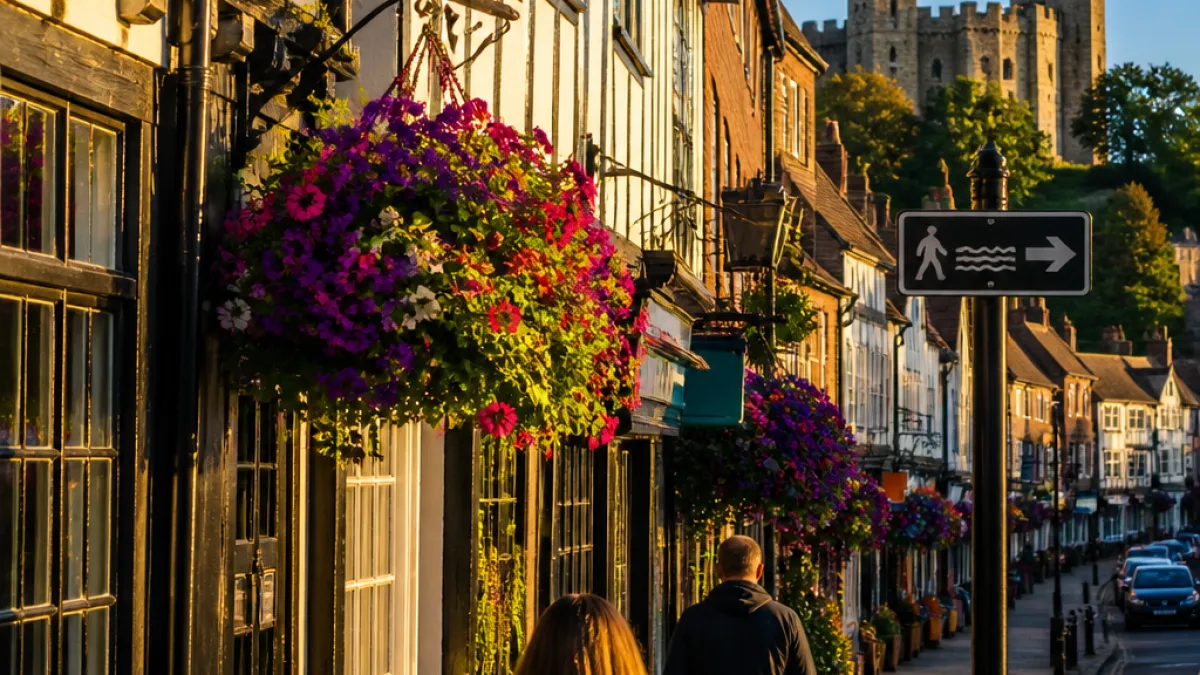
Warwick has been singled out by WorldAtlas in a selection of eight English towns known for their memorable main streets, with the publication highlighting the town’s High Street for its blend of heritage, independent businesses and riverside setting. The listing places Warwick alongside destinations across the country noted for distinctive character and visitor appeal.
In its write-up, WorldAtlas describes Warwick’s central thoroughfare as running parallel to the River Avon and housing a mix of shops, restaurants and notable historic sites, including the medieval Lord Leycester Hospital, described as a living museum dating from the 14th century. The town’s most visited landmark, Warwick Castle, is also cited as a focal point for those seeking to explore local history.
WorldAtlas calls Warwick’s “Instagram-worthy High Street” as being “rich in beauty and history as it is in attractions,” and describes Warwick Castle as “a stunning piece of local history.” It adds: “This fortress is one of England’s oldest castles and gives visitors a hands-on glimpse into the country’s history. It even hosts re-enactments of jousting tournaments and medieval fairs.”
What the recognition covers
The feature focuses on main streets that marry architectural interest with active town life. For Warwick, the emphasis is on the relationship between its commercial heart, historic buildings and the waterway. While the article is not an award and carries no formal ranking, inclusion places the town within a small group of centres praised for both visitor experience and preservation of character.
- Heritage assets: Lord Leycester Hospital and Warwick Castle referenced for historic depth.
- Town centre vitality: Shops and restaurants noted as part of the High Street’s appeal.
- Setting: The proximity to the River Avon underlined as part of the street’s distinctiveness.
How Warwick compares on the list
WorldAtlas pairs Warwick with locations that are likewise recognised for strong identities anchored around historic streetscapes. The towns mentioned span different parts of England, but each shares a core feature: a central street or cluster of streets where heritage and everyday life intersect.
| Other towns highlighted |
|---|
| Windsor |
| Whitby |
| Wells |
| Knaresborough |
| Haworth |
| St. Ives |
| Castle Combe |
Local context and potential impact
For Warwick residents and businesses, the mention reinforces an image many already recognise: a compact historic centre where commerce and culture sit side by side. Such coverage can help sustain visitor interest during the year’s busier months, particularly for independent traders and hospitality venues situated in and around the High Street. While one online list will not redefine footfall on its own, positive national attention often contributes to a broader pattern of destination awareness.
The reference to both the High Street and nearby attractions underlines how Warwick’s heritage-driven economy relies on the town centre as a gateway. Visitors arriving for well-known sites may choose to spend more time on local streets, benefiting eateries, retailers and guides who interpret the town’s past. The mix of venues and historical settings cited in the article reflects the balance Warwick has sought to maintain between conservation and a functioning high street.
What WorldAtlas highlighted
WorldAtlas drew attention to two elements in particular: the High Street’s visual appeal and the presence of living history. The characterisation of the street as visually distinctive ties into the way visitors share experiences online, something that can shape where people choose to spend time. Meanwhile, the description of Warwick Castle as a place for hands-on history speaks to the practical experiences that set certain towns apart from others on the national stage.
By including the Lord Leycester Hospital—identified as a medieval complex operating as a living museum—the piece notes the depth of the town’s historical environment immediately off the main thoroughfare. Together, these references sketch a picture of a centre where centuries-old buildings frame everyday trade.
Looking ahead
Recognition of this kind tends to have a cumulative effect when combined with ongoing events and local stewardship of the built environment. For residents, it is a reminder of the importance of the town’s heritage assets and the role of the High Street in shaping Warwick’s identity. For businesses, it is another opportunity to position services and experiences that connect with what visitors are actively seeking: accessible history, walkable streets and a compact core with a mix of places to eat, shop and explore.