Amkor Technology has agreed a multi‑year partnership valued at approximately $1.5bn with Nvidia to expand advanced semiconductor packaging and testing capacity focused on AI and accelerated computing.
What the deal covers
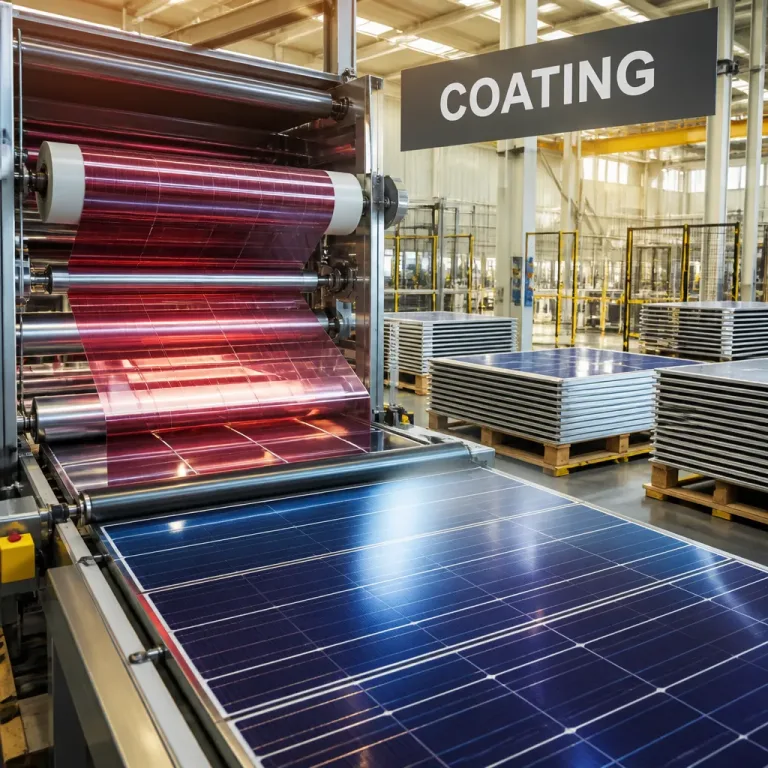
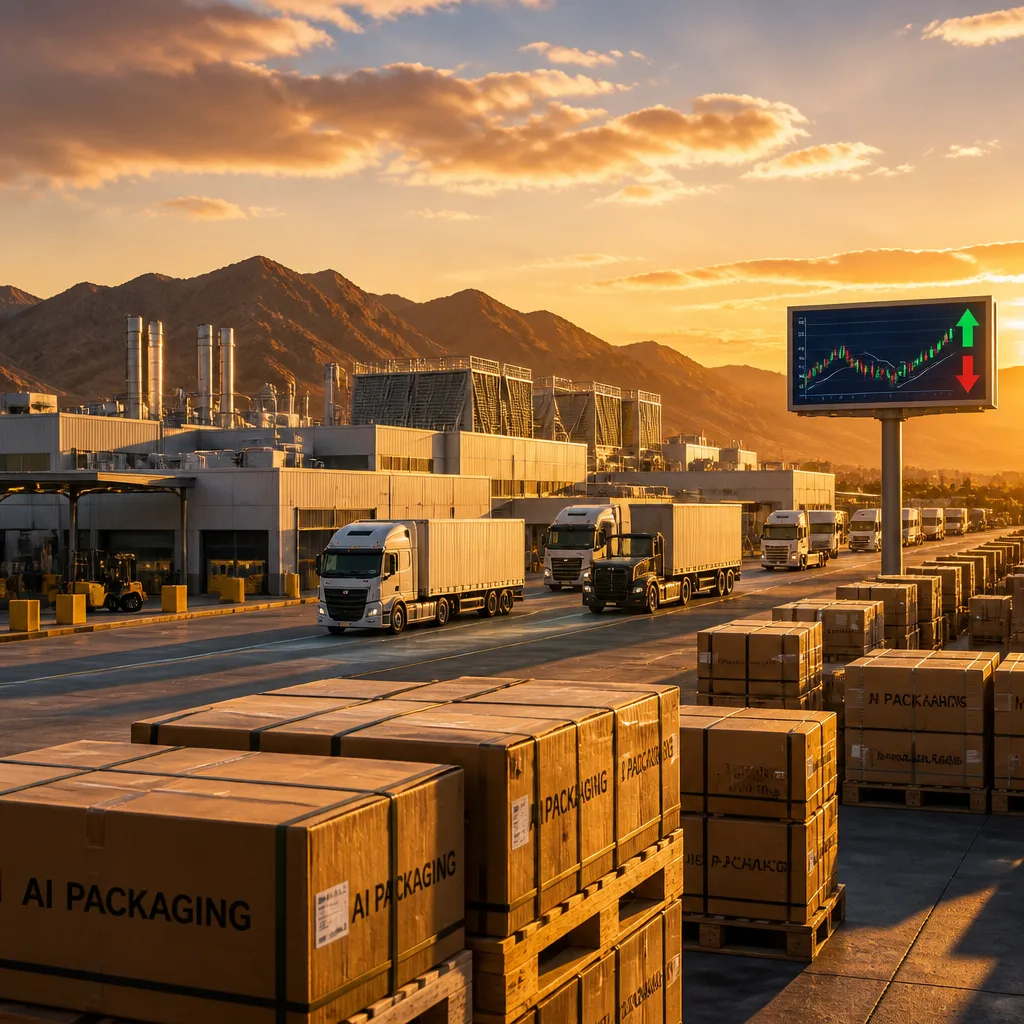
The collaboration targets higher‑volume production and testing for complex packages used in AI accelerators. It also includes capacity investments in Arizona, signalling greater on‑shore manufacturing for critical elements of the AI hardware supply chain. The work will centre on advanced packaging—an area that combines chip assembly, interconnects and testing to deliver higher performance and power efficiency for AI compute engines.
Market reaction and valuation
Shares of Amkor closed at $64.96 following the announcement, after a year that has seen significant volatility:
| Metric | Value |
|---|---|
| Share price (recent close) | $64.96 |
| Year‑to‑date return | +51.35% |
| 1‑year total shareholder return | +209.63% |
| 3‑year total shareholder return | +130.09% |
| 30‑day price change | -21.51% |
| 90‑day price change | -16.82% |
Following the announcement, one widely followed valuation narrative places Amkor’s fair value at about $92, implying roughly 29.4% upside from the last close. That assessment rests on assumptions of faster revenue expansion and margin improvement as AI packaging scales to higher volumes.
Why it matters for AI hardware
- Advanced packaging is a critical bottleneck as chips become more complex and heterogeneous; scaling capacity can unlock higher throughput of AI accelerators.
- Partnering directly with a leading AI chip designer aligns packaging capacity to the specific needs of high‑performance compute workloads.
- New US capacity in Arizona reduces lead times and geographic risk for hyperscalers and cloud providers.
Analysts tracking the sector say Amkor is well positioned to benefit if these projects move quickly into high‑margin volume production. The upside narrative depends on the pace at which prototype work converts to sustained, large‑scale orders.
Investors should weigh the potential for step‑function gains in revenue and margins against recent short‑term share weakness and the execution risk involved in ramping complex packaging lines. The deal underscores how AI is reshaping not just chip design but the manufacturing and testing ecosystem that puts those designs into production.