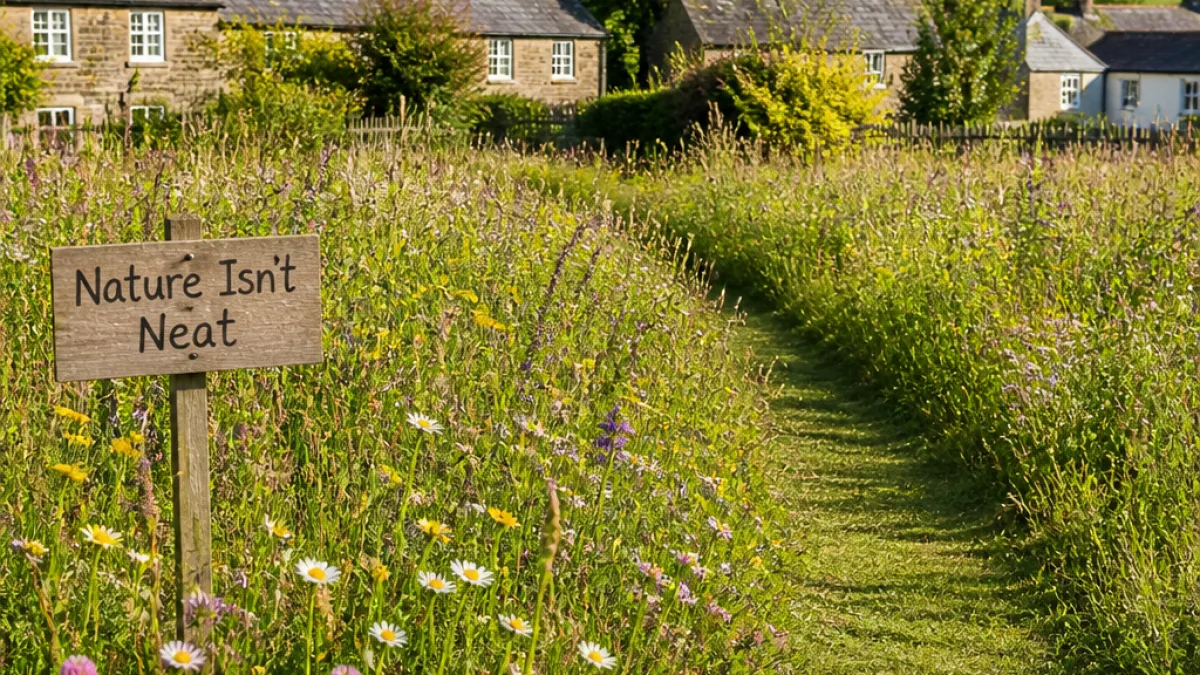
Monmouthshire County Council has reintroduced its Nature Isn’t Neat campaign for the summer, urging a change in how grass is managed in parts of the county to encourage wildflowers and provide habitat for pollinators.
From pilot scheme to county-wide practice
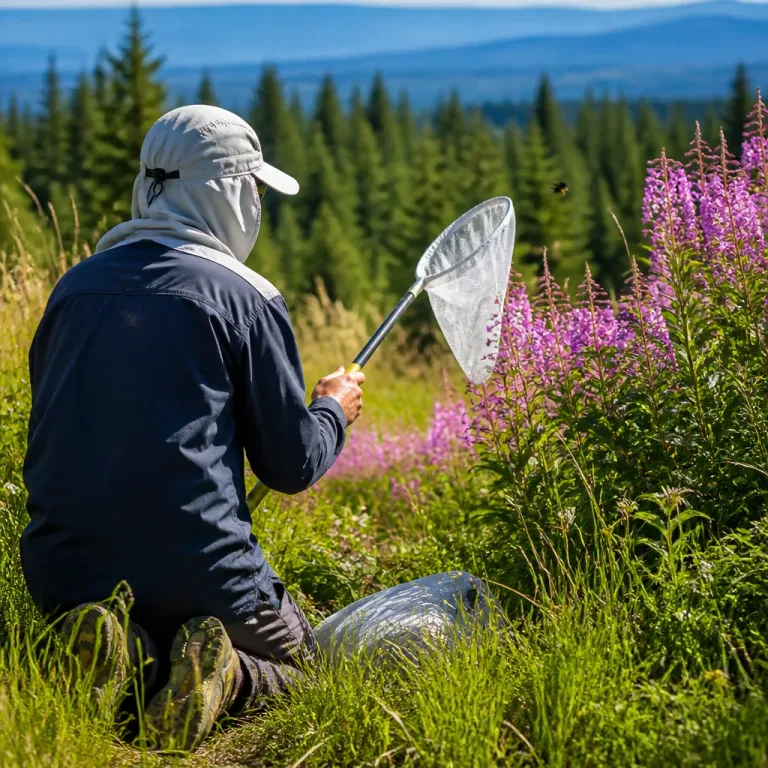
First trialled in Monmouth in 2020, the approach has been extended across the county and is now in its sixth year. Rather than routinely mowing verges, parks and open spaces on a fixed schedule, the council is leaving identified areas to grow through spring and summer so that native wildflowers can bloom and invertebrates find food and shelter.
Councillors say the measure is part of a wider response to the twin challenges of climate change and nature decline. The council’s material highlights benefits including support for bees and butterflies, carbon storage in grassland, and improved natural flood management.
What residents will see — and why it matters
Residents are likely to notice longer grass and areas of meadow-like planting within parks and alongside footpaths. Paths are being cut through some of these meadow areas so people can enjoy walking close to more varied plant life and wildlife such as grasshoppers and butterflies.
- Where it began: Monmouth pilot, 2020.
- Current focus: Selected verges, parks and open spaces across Monmouthshire.
- Local call to action: Residents encouraged to allow parts of gardens to grow, plant wildflowers or create small wildlife habitats.
“Nature Isn’t Neat is about doing things a little differently to get better results for wildlife,” Cllr Catrin Maby said. “By cutting grass less often and at the right times, we can help nature recover and create spaces full of colour and life.”
How the council frames the benefits
The council highlights multiple outcomes beyond biodiversity: increased visual variety in green spaces, opportunities for closer encounters with nature, and contributions to broader environmental goals. It also presents the policy as a low-cost way to build stronger, better-connected habitats across the county.
| Item | Detail |
|---|---|
| Pilot year | 2020 (Monmouth) |
| Programme age | Sixth year |
| Main aim | Increase biodiversity through reduced mowing |
The council has also published guidance for householders through its Let’s Talk Monmouthshire pages, encouraging people to adopt similar small-scale practices such as leaving sections of lawn to flower or sowing native wildflower seeds.
For residents, the visible change in maintenance may prompt questions about tidiness and safety; the council stresses that only selected areas will be managed in this way and paths will be kept accessible. The initiative is presented as a practical, local step in the county’s broader environmental work rather than a radical overhaul of all green-space management.