
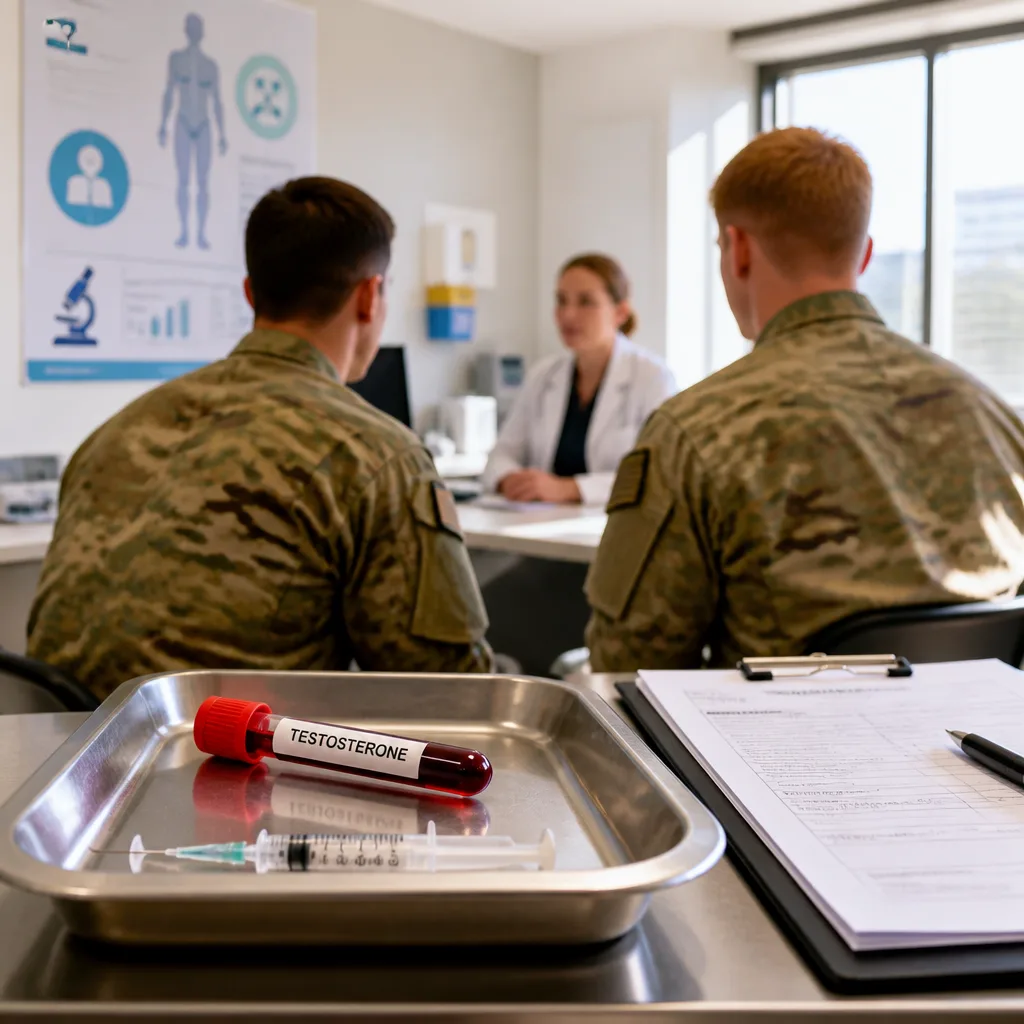
US Defence Secretary Pete Hegseth has unveiled a plan to introduce regular testosterone screening for members of the US Armed Forces, proposing annual tests for those aged 30 and older and optional evaluations for younger personnel, together with voluntary testosterone replacement where clinicians advise it.
What the proposal would do
In a short video posted to his official X account, Hegseth described the initiative as part of efforts to restore a martial ethos and to safeguard service members’ long‑term health and performance. He framed the programme as a clinical measure to “restore and optimise your natural capabilities” and to provide a biological foundation for sustaining operational demands.
“If treatment is recommended, it's entirely your choice to receive testosterone replacement therapy.”
The public outline indicates three clear elements:
- Annual screening for personnel aged 30 and above as part of periodic health assessments;
- Opt‑in testing for those younger than 30;
- Voluntary therapy when clinicians recommend testosterone replacement.
Scientific and clinical concerns
Endocrinologists criticised the brevity of the announcement and cautioned against simplistic implementation. Adrian Dobs, who researches gonadal and endocrine function at Johns Hopkins University, said she was surprised by the proposal and warned that diagnosing male hypogonadism is “a very complicated issue.” She underlined that measured testosterone levels can vary substantially with the type of assay used and with the time of day the blood is taken, owing to circadian rhythms.
Those clinical caveats have practical consequences: determining who legitimately has low testosterone requires standardised testing protocols, repeat measurements and correlation with symptoms and other clinical markers. In the absence of such safeguards, there is risk of both overdiagnosis and unnecessary medicalisation.
Policy, operational and ethical implications
The scheme, if implemented, would touch on military readiness, medical ethics and equality. Hegseth presented the initiative as improving “performance, resilience, and long‑term health,” but the announcement did not provide data supporting such claims nor details about clinical guidelines, oversight or how decisions would be made and reviewed.
Key issues for policymakers and military medical authorities to address include:
- Standards for laboratory testing and confirmation of low testosterone;
- Clinical criteria for recommending replacement therapy and monitoring protocols;
- Informed consent, voluntariness and protections against coercion in a hierarchical institution.
| Element | As announced |
|---|---|
| Screening frequency | Annual for 30+ (opt‑in for under 30) |
| Treatment | Voluntary testosterone replacement if recommended |
| Rationale given | Improve performance, resilience and long‑term health |
Medical experts contacted in the coverage emphasised that scientific uncertainty and clinical complexity require detailed protocols before any widescale programme is rolled out. Without robust diagnostic standards and transparent oversight, an apparently simple solution risks creating new medical and ethical problems rather than solving operational ones.
The announcement arrives amid a wider debate about standards, inclusivity and fitness in the US military, and will likely prompt scrutiny from clinicians, defence policy analysts and veterans’ groups as details emerge on implementation, costs and safeguards.