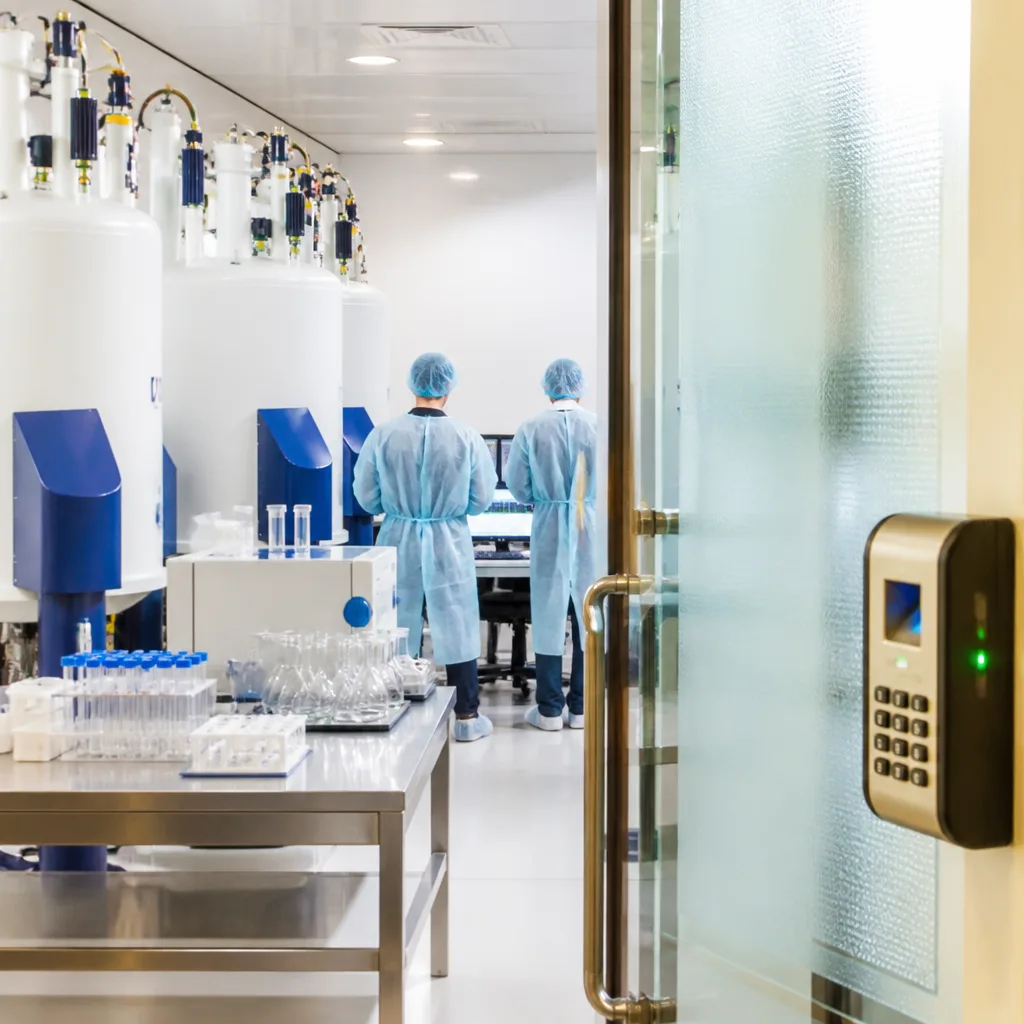
The Defence and Science Technology Laboratory (DSTL) has formally opened a new, high-resolution NMR (nuclear magnetic resonance) suite at its Porton Down site in Salisbury, strengthening the laboratory's capacity to identify chemical and biomedical substances at both bulk and trace levels.
Upgraded capability for a changing threat landscape
The new suite will host several advanced NMR instruments, including systems transferred from DSTL’s earlier facility and at least one instrument described as the first of its kind in the UK for its ability to analyse samples at markedly lower concentrations than previously possible. The installation forms part of DSTL’s broader chemical analysis capability, which already includes gas and liquid chromatography and mass spectrometry.
"What's in a sample? may seem like a simple question but may have one of the most difficult answers,"
The comment, attributed to Soumya, the lead scientist for the facility, underlines the complexity of modern chemical forensics and the laboratory’s intent to address a widening range of analytical problems using emerging methods and instrumentation.
International role and operational history
DSTL is among the select laboratories designated by the Organisation for the Prohibition of Chemical Weapons (OPCW), the body that administers the Chemical Weapons Convention (CWC). The UK lab is already ranked among the top performing OPCW-designated facilities worldwide and the new NMR suite is intended to maintain and improve that standing.
DSTL’s involvement in high-profile investigations is noted: NMR and related analytical tools have supported inquiries into the Salisbury and Amesbury poisonings and assisted in identifying alleged chemical weapons use in Syria. Andy Bell, DSTL’s chief science and technology officer, emphasised the need to keep capabilities aligned with how chemical threats are evolving.
Technical and historical context
Porton Down’s NMR capability has developed over decades. The organisation first installed an NMR instrument in 1980 and added two further machines in 1996, moving operations from an original NMR building erected in the 1970s. The latest suite consolidates and upgrades that legacy infrastructure.
- New ability: analyse much lower concentration samples than previously possible
- Scope: supports both bulk and trace chemical and biomedical analysis
- International remit: sustains DSTL’s role as an OPCW-designated laboratory
The expanded laboratory is presented as a timely enhancement to national science and defence infrastructure, combining long-standing analytical techniques with newer instruments to confront both routine and emergent chemical analysis challenges.
| Year / period | Event |
|---|---|
| 1970s | Original NMR building constructed |
| 1980 | First NMR instrument installed at Porton Down |
| 1996 | Two further instruments added |
| 2026 | New high-resolution NMR suite opened; includes UK-first low-concentration analyser |
As chemical threats and investigative needs evolve, DSTL’s new suite represents a targeted investment in analytical capacity that combines heritage expertise with modern instrumentation, reinforcing the United Kingdom’s laboratory support for national security and international treaty obligations.