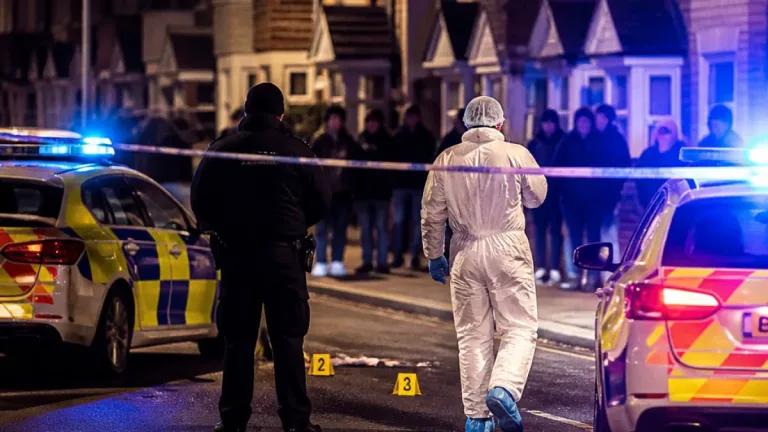
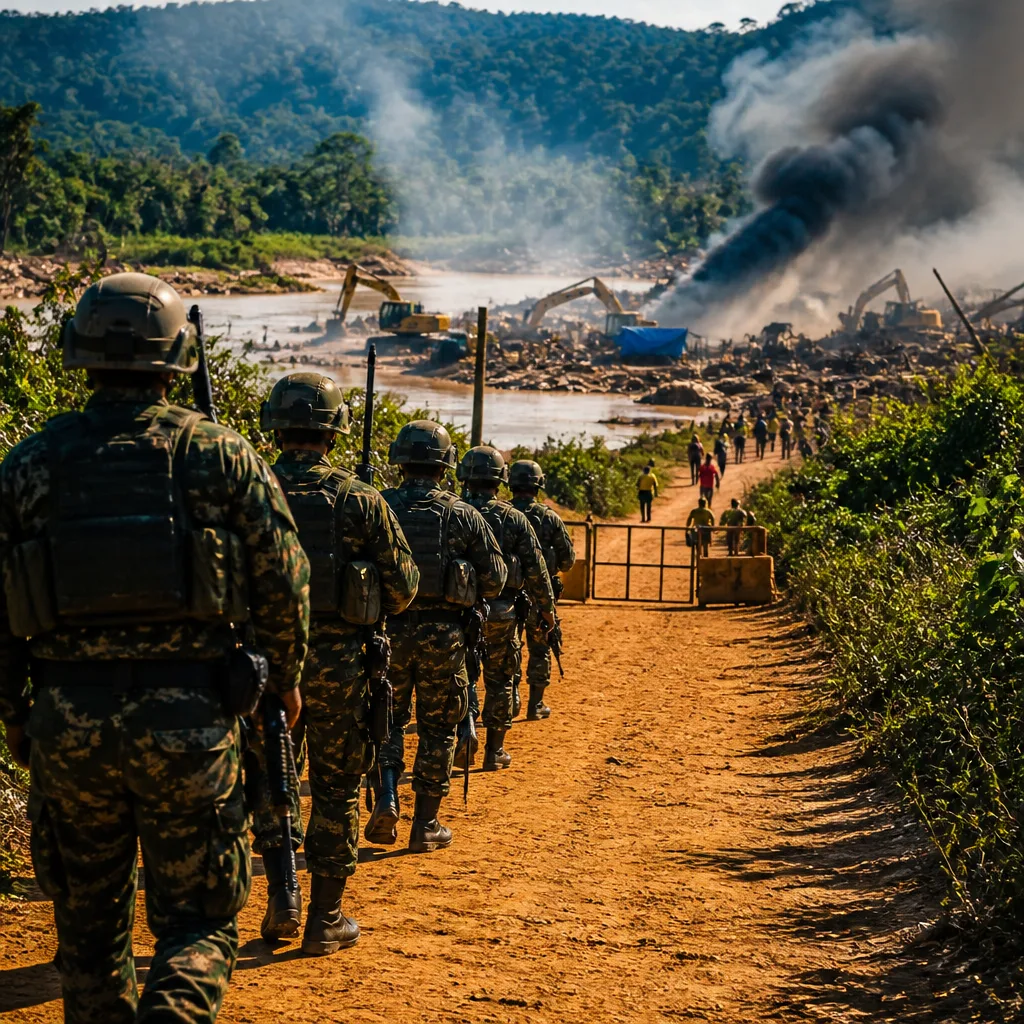
President Keiko Fujimori has pledged a tough security response to what her administration describes as a deepening national crisis of organised crime, announcing plans to deploy the armed forces to areas afflicted by gang violence, extortion and illegal mining.
Measures announced at inauguration
Addressing Congress after taking the oath of office, the newly inaugurated leader set out a strategy centred on a temporary transfer of operational command to military units in zones declared under emergency, with the stated aim of returning control of territory to civilians.
"During states of emergency, the armed forces will temporarily take the lead in security operations"
Fujimori, who secured victory in June's runoff by a margin of fewer than 50,000 votes, framed the move as necessary to confront the country's worst wave of organised criminality in decades, driven by both domestic and foreign gang networks that her office says are responsible for contract killings and widespread extortion.
Political context and opposition
The inauguration drew notable regional attendance and also visible protest. A group of left-leaning lawmakers exited the chamber in protest at the ceremony. Several Latin American leaders were present.
| Attending leaders |
|---|
| Javier Milei (Argentina) |
| José Antonio Kast (Chile) |
| Rodrigo Paz (Bolivia) |
| Daniel Noboa (Ecuador) |
| Yamandu Orsi (Uruguay) |
Fujimori’s political pedigree and the memory of her father's authoritarian-era tactics make the security agenda particularly sensitive. Her father, who led Peru in the 1990s, was later imprisoned for corruption and human rights violations tied to counter‑insurgency policies. Critics warn that an expanded role for the military risks abuses, while supporters argue urgent measures are needed.
"She is going to be a replica of her father,"
said one opponent of the policy, while others expressed hope that a hardline approach will restore order.
Proposals beyond military deployment
Alongside the planned deployment, Fujimori has proposed a set of additional measures intended to strengthen law enforcement and the penal system, including:
- Deportation of undocumented migrants alleged to be involved in crime
- Establishment of courts with anonymous judges
- Compulsory work requirements for prisoners
Her administration presents these steps as part of a broader shift to a more punitive security model. Human rights advocates and some political opponents have already signalled concern that such measures could erode due process protections and increase the risk of state overreach.
Fujimori is the ninth president in a decade, reflecting a period of acute political turnover in Peru. The government's next steps — the legal basis for military deployments, the geographic scope of states of emergency and oversight arrangements — will determine how the security strategy is implemented and judged by both domestic observers and the international community.