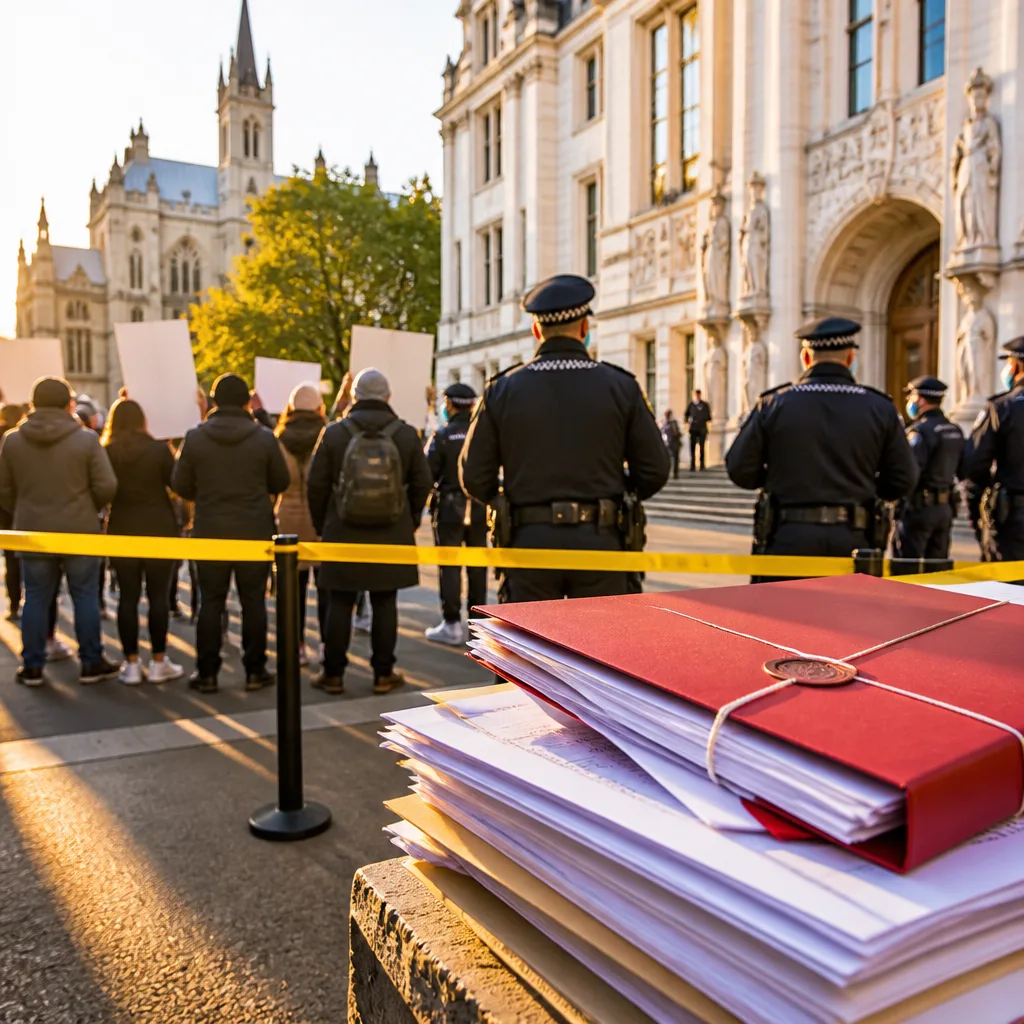
A divisive government ban on the protest group Palestine Action, imposed under terrorism legislation in July 2025, will be examined by the Supreme Court, the court confirmed on Thursday. The move represents a significant setback for the Home Office and promises an expedited hearing after the summer break.
What has been agreed
The court has granted permission for one of the group's co‑founders, Huda Ammori, to appeal against the proscription. While the full grounds of the appeal have not yet been published, the BBC has been told the challenge centres on an argument that the ban breaches human rights.
Background and consequences
The ban was put in place by a former home secretary, acting on police and security advice, after a series of break‑ins targeting an Israeli‑owned defence firm. The dispute over whether ministers lawfully used their powers has already been through the High Court and the Court of Appeal.
- The High Court initially found the proscription unlawful.
- The Court of Appeal later overturned that ruling, with five judges unanimously upholding the Home Secretary's decision.
- The Supreme Court will now reassess the legality of the ban.
The legal fight is unfolding alongside criminal prosecutions and wider public protest. In the group's first major criminal trial, defendants were convicted in connection with raids on the defence firm; those incidents caused more than £1 million in damage and led to jail terms for members of the break‑in team, including a sentence linked to grievous bodily harm against a police officer.
Scale of enforcement and public reaction
Authorities say the clampdown has produced a large number of related cases. More than 2,000 people are reported to be facing possible prosecution for allegedly declaring support for a proscribed organisation at mass demonstrations. On the day the Supreme Court granted permission, the Metropolitan Police made around 117 arrests outside Westminster Magistrates' Court; officers said most were for expressing support for the group. Many had attended believing they were due to appear in court on earlier charges that had, in fact, been listed in error.
| Event | Detail |
|---|---|
| Ban introduced | July 2025 |
| Damage at defence firm | More than £1 million |
| People potentially facing trial | More than 2,000 |
| Arrests outside magistrates' court | 117 |
The Supreme Court's hearing could have far‑reaching implications. A ruling that finds the ban incompatible with human rights protections would constrain ministers' powers to proscribe groups on national security grounds; conversely, an endorsement of the ban would reaffirm the current scope of those powers and could influence future policing of politically sensitive protest.
For now, ministers, legal teams and campaigners await the expedited hearing after the court recess. The decision will be watched closely by civil liberties organisations, police forces and political movements, given its potential to affect both the legal boundaries of protest and the practical consequences faced by thousands of demonstrators.