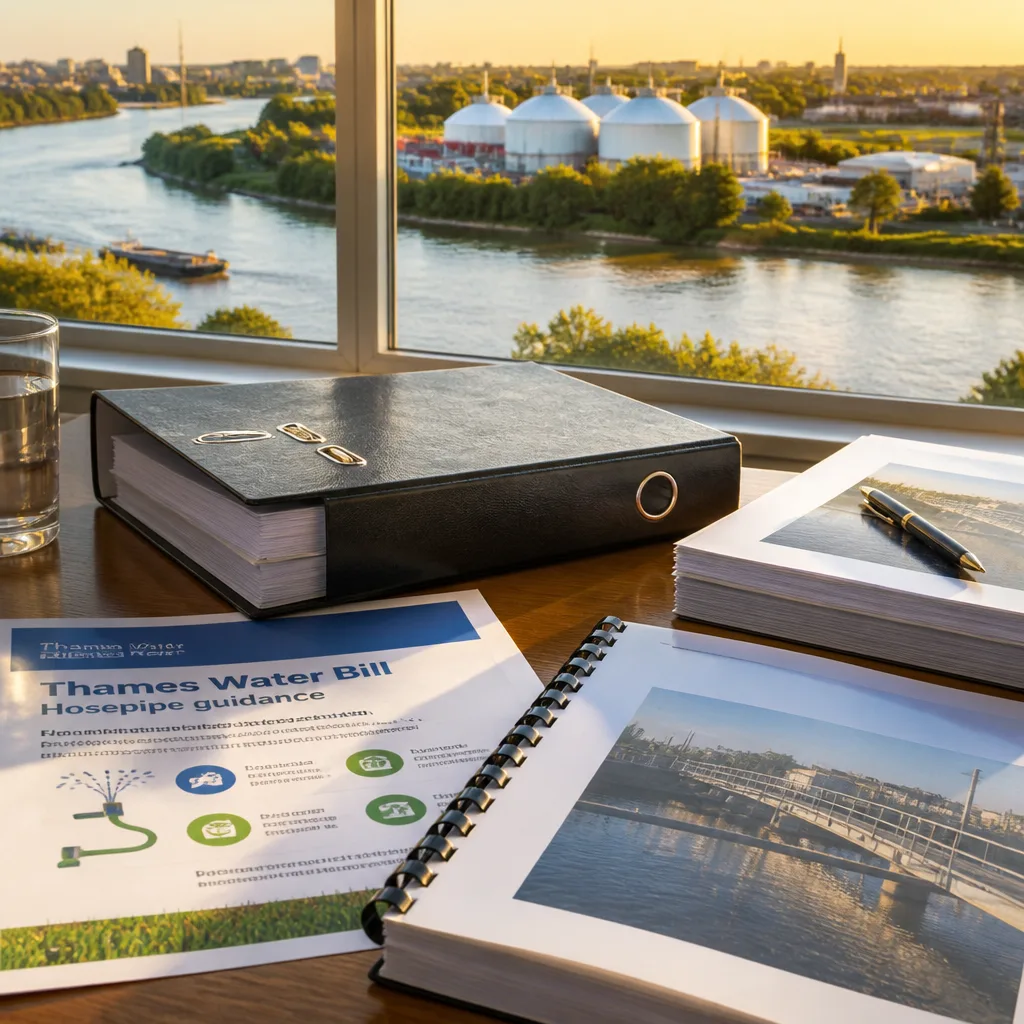
On a warm Sunday in west London, a family filled a paddling pool while glancing at the hosepipe guidance on their water bill — a reminder of how dependent daily life is on utilities most of us barely see. Behind the scenes, the UK’s biggest water company, Thames Water, is at the centre of an escalating stand‑off that could shape household bills, river health and the public purse for years to come.
Lenders to the company are preparing a legal challenge in case a government led by Andy Burnham — who takes office on Monday — pursues nationalisation, sources close to the creditors told the BBC. Burnham has previously said he wants to see “greater public control” of water and energy and has called for Thames Water to be taken into public ownership.
Thames Water is carrying around £20bn of debt. Its creditors have floated a rescue that would write off nearly half of that burden and inject new capital, but ministers have already dismissed the package as “weak” and harmful to consumers and the environment. The company, which serves millions across London and the Thames Valley, warned on Thursday it has enough cash to last only until the end of this year, intensifying pressure for a durable solution.
Creditors’ warning and the nationalisation risk
According to people close to the creditor group, if the government were to opt for full nationalisation, lenders would seek full repayment of outstanding debts — a route seen in earlier cases — potentially leaving the state with a multi‑billion‑pound bill. Even as they prepare for that possibility, the creditors say they remain engaged with officials and regulators to find an agreed rescue.
“Thames Water customers have been let down for far too long, with 15 years of under‑performance, increasing serious pollution, and customers left to pick up the bill,”
A spokesperson for the Department for Environment, Food and Rural Affairs said the government was “prepared for any eventuality”. They added that the environment secretary had written to Ofwat to set out early views that she is not convinced a proposal from London and Valley Water is good enough for consumers or the environment.
The offer on the table — and why ministers balked
Creditors have offered to write off £9.4bn of Thames Water’s near‑£20bn debt and to put in £3.35bn of fresh cash. In return, they want leniency on future pollution fines to stabilise the business and fund upgrades. Ministers have rejected that bargain, arguing that it would leave customers shouldering the cost of past failures without sufficient environmental safeguards.
In June, minister Emma Reynolds voiced objections to any arrangement that would see consumers paying for corporate missteps, saying she did not want a scenario where Thames Water customers had to “pick up the bill for the company’s failures.” She also underlined that the government “stands ready for all eventualities”.
| Measure | Figure |
|---|---|
| Total debt | ~£20bn |
| Proposed debt write‑off | £9.4bn |
| Proposed cash injection | £3.35bn |
| Current cash runway | To end of this year |
What’s at stake for households and rivers
For millions of bill‑payers, the outcome will determine not just future charges but also the pace of investment in leaky pipes and polluted waterways. The government’s stance reflects mounting anger over serious pollution incidents and years of under‑performance, with ministers making clear they will not back a deal that dilutes environmental accountability.
For the incoming prime minister, the crisis poses an early test of his pledge to increase public control of essential services while protecting taxpayers. Any move towards public ownership may trigger the legal and financial counter‑measures lenders are preparing — raising the prospect of a complex dispute that could land on the Treasury’s balance sheet.
Next steps
Amid fears first raised three years ago about the company’s resilience, the next few weeks are likely to focus on whether creditors, regulators and ministers can close a rescue on acceptable terms — or whether the state must step in. With the clock ticking on Thames Water’s cash, and with both environmental performance and customer protection under scrutiny, the politics of water have rarely felt more immediate for households across the South East and beyond.
- Lenders are preparing for court action if nationalisation proceeds.
- Government says it is ready for any outcome and is sceptical of the current rescue proposal.
- Consumers face uncertainty over bills, service improvements and environmental enforcement.