State endorses resilience standard without compulsory price relief
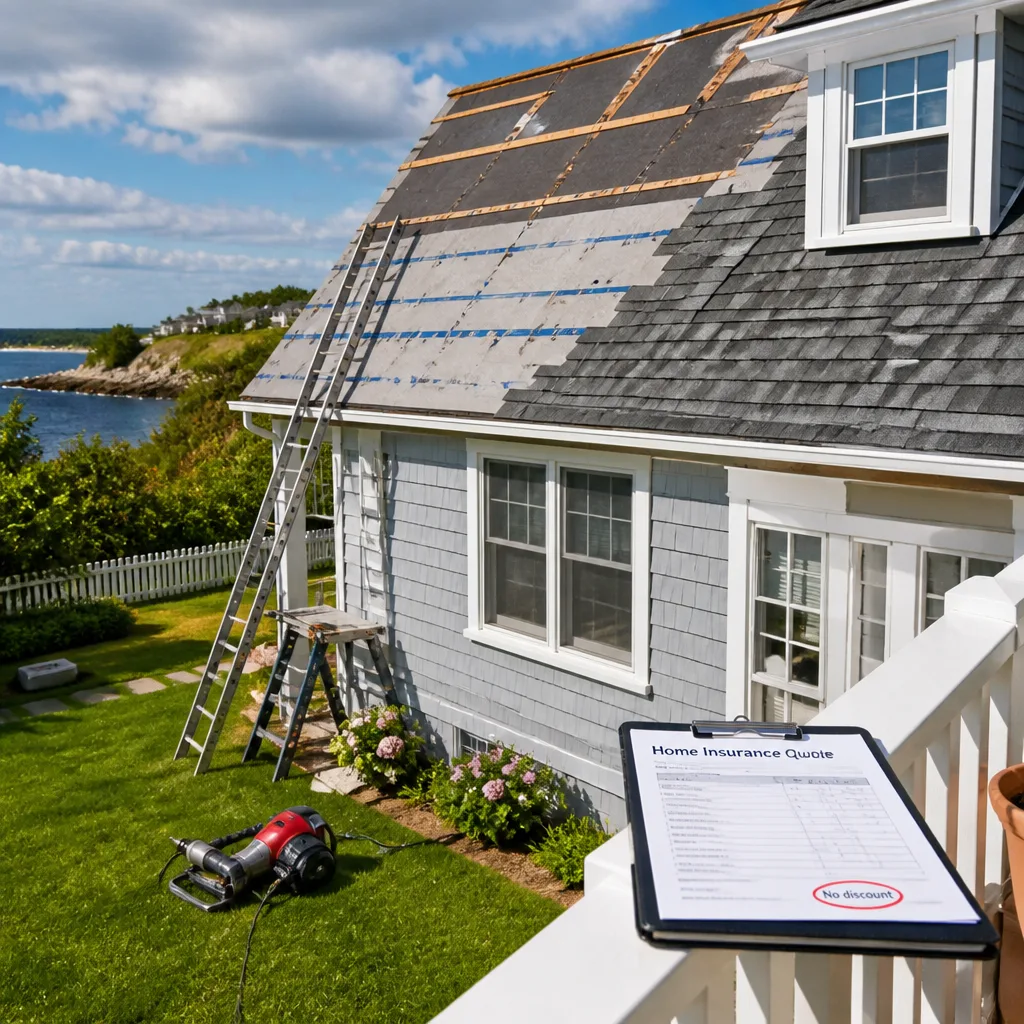
Connecticut’s insurance regulator has thrown support behind stronger roofing requirements designed to limit storm losses, but crucially did not require insurers to cut premiums for homeowners who invest in the upgrades. That decision leaves a gap between policy endorsement and pocketbook incentives at a time when US states are searching for ways to curb claims from severe weather.
Commissioner Josh Hershman of the Connecticut Insurance Department joined builders and roofing specialists at an industry event to promote the FORTIFIED Roof specification, a wind‑resilience benchmark devised by the Insurance Institute for Business & Home Safety (IBHS). The session, hosted by the Home Builders and Remodelers Association of the Connecticut River Region, outlined the certification steps for contractors and remodelers.
While the move signals official encouragement for tougher construction, Connecticut has not adopted mandatory discounts for homeowners who obtain FORTIFIED certification. By contrast, states such as Alabama and Kentucky have paired resilience standards with required premium relief—creating a predictable return on the upfront spend that can tip a project from sensible to self‑funding.
Why incentives matter for take‑up
For households, the calculus is straightforward: resilience upgrades can reduce storm damage, but the timing of the benefit differs. Lower losses arrive only if a severe storm hits; premium credits flow every renewal. Without guaranteed discounts, many owners will hesitate to pay for certification even if they recognise the risk‑reduction benefits.
That distinction is not theoretical. A study by the University of Alabama, commissioned by the state’s Department of Insurance, estimated that insurers would have avoided $105.6 million in losses had every home in the path of Hurricane Sally (2020) met the FORTIFIED Roof standard. The savings would have risen to $116.1 million if properties had been built or retrofitted to the more stringent FORTIFIED Gold level.
Alabama, the most mature market for the programme with more than 53,000 designations, requires wind‑mitigation discounts tied to FORTIFIED status. Kentucky has followed with legislation, effective March 2026, mandating premium reductions for designated homes. Both have engineered a direct financial signal to homeowners and a clearer pathway for builders to sell upgrades.
Connecticut’s current framework: optional credits, uneven signals
Connecticut allows insurers to use separate windstorm or hail deductibles instead of standard deductibles, but does not require carriers to offer mitigation discounts. Any credits for qualifying features remain voluntary and vary by company. The state‑backed event raised awareness among builders, but absent a discount mandate, the market relies on individual insurers to shape offers—and on homeowners to absorb uncertain payback periods.
For contractors, that means demand could emerge in pockets—especially among coastal or storm‑exposed owners—yet fall short of the broad‑based adoption seen in states coupling standards with compulsory pricing relief. For insurers, voluntary credits provide flexibility to reward risk reduction, but with less consistent market penetration.
What the numbers imply for risk and rates
The Alabama analysis quantifies the potential loss avoidance from hardened roofs, underscoring the actuarial case for standards such as FORTIFIED. Lower claims frequency and severity typically support more stable underwriting and can help check upward pressure on premiums over time. However, without mandated discounts, those system‑level benefits may take longer to materialise in Connecticut as upgrades scale slowly.
From a household budget perspective, the immediate question becomes whether one’s insurer offers a meaningful credit for certified work and how that compares with the cost of achieving designation. Where carriers do provide discounts, the payback period shortens. Where they do not, the value tilts toward risk tolerance and property protection rather than near‑term bill savings.
How states compare on resilience incentives
| State | FORTIFIED adoption / policy | Mandated discounts | Notable figures |
|---|---|---|---|
| Alabama | Longest‑running adopter | Yes (wind‑mitigation discounts) | 53,000+ designations; study indicates $105.6m–$116.1m potential loss savings |
| Kentucky | Legislation enacted | Yes (effective Mar 2026) | Mandatory premium discounts for FORTIFIED‑designated homes |
| Connecticut | Promotes FORTIFIED Roof | No (voluntary credits vary by insurer) | Wind/hail deductibles permitted; no statewide discount mandate |
Implications for builders, brokers and homeowners
- Homeowners: Check with your carrier on available mitigation credits and required documentation before commissioning work; weigh resilience benefits alongside uncertain premium impact.
- Builders/roofers: Certification know‑how may become a commercial differentiator as awareness rises, even without universal discounts.
- Brokers/insurers: Clear, standardised credit structures can accelerate uptake and concentrate benefits where risk is highest.
The Connecticut Insurance Department’s outreach puts resilience on the agenda, but the market response will hinge on whether carriers standardise incentives—or lawmakers follow Alabama and Kentucky by making them compulsory. For now, the state’s approach emphasises education and voluntary pricing moves over mandates. That may deliver incremental improvements, yet the most powerful lever for rapid adoption—guaranteed, visible premium relief—remains unused.