Confidence surge led by improved economic outlook and new government measures
UK consumer sentiment recorded its fastest monthly rise for almost three years in June, according to market researcher GfK, a movement that has been linked in part to the political return of Andy Burnham to Westminster. The data show the largest gains were in views of the economy over the past year and expectations for the next 12 months, signalling a significant short-term lift in mood among households.
The uptick matters because household spending accounts for roughly 60% of UK economic activity. Sustained consumer demand underpins trade across the high street, services, construction and manufacturing — the sectors most exposed to footfall and discretionary spending.
Policy steps aimed at easing household bills and supporting hospitality
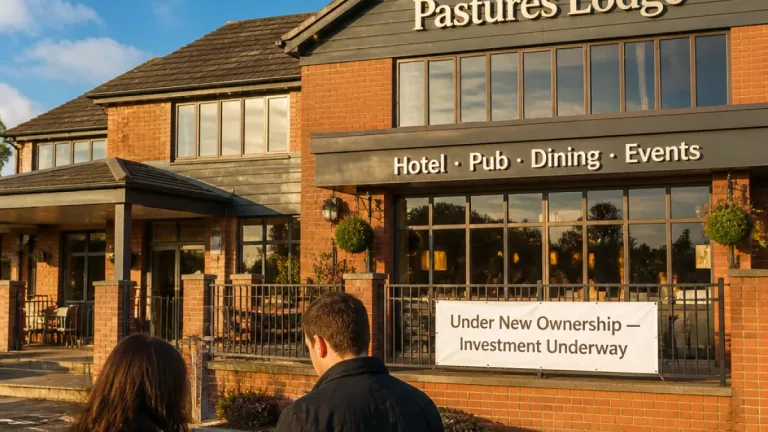
To shore up living standards and activity, the prime minister has enacted a package of temporary measures. These include a cut to VAT on electricity in Great Britain from October, a cap on bus fares at £2 across England, and a 20% reduction in business rates for pubs, clubs and live music venues. The fiscal moves are intended to ease household and small-business costs ahead of the autumn, a pivotal period for consumer spending.
"The sense of a fresh start following the appointment of a new prime minister surely accounts for some of this bounce," GfK said.
Data show pockets of fragility beneath the headline improvement
Despite the overall rise in confidence, the GfK breakdown highlights divergent experiences among age groups. Younger adults aged 16–29 displayed greater optimism than older cohorts, yet the same younger group faces a difficult labour market — youth unemployment is now at its highest level in a decade. By contrast, people aged 65 and over registered some of the bleakest readings on personal finances and expectations for the jobs and property markets.
- Inflation eased more than analysts expected, with the headline rate falling to 2.6%.
- Household consumption makes up about 60% of GDP, underlining its central role.
- Youth unemployment is at a decade high, despite younger people reporting stronger confidence levels.
Implications for households and businesses
The immediate effect of the mood improvement — and of the targeted policy measures — is likely to be supportive for spending in the short term, particularly for sectors such as hospitality which have been directly aided by business-rate relief. But structural headwinds remain. Sharp contrasts between age groups suggest the recovery in sentiment could be fragile: older households, which often hold more wealth and influence on housing market dynamics, are more pessimistic about jobs and the economy.
For businesses, especially small and medium-sized firms reliant on consumer footfall, the combination of temporary tax reliefs and lower inflation creates an opportunity to rebuild revenues. However, sustaining that momentum will depend on whether wage growth, employment prospects and living-cost pressures evolve in line with the improved mood.
Data snapshot
| Measure | Value |
|---|---|
| Household consumption share of GDP | ~60% |
| Headline inflation (latest) | 2.6% |
| Business rates cut for pubs/clubs/venues | 20% |
The June confidence rise provides a timely reprieve for the UK economy, but the data underline that sentiment alone will not secure a sustained recovery. Targeted policies can ease costs and boost activity in the near term, yet structural issues in the labour market and uneven confidence across age groups mean households and firms could see divergent outcomes in the months ahead.