A community interest business launched in Chester is supplying targeted support to early-stage black founders and helping convert ideas into operating firms, its founder says. Less than a year after launching, the scheme has worked with dozens of people and is preparing 30 businesses to go to market.
From loneliness to organised support
Jemima Antwi, 27, set up Black Founders Studio (BFS) after recognising she and other black entrepreneurs often felt isolated when starting a company. Antwi, originally from Ghana, had earlier run a business selling reusable bottles while at the University of Chester. That venture folded after two years, prompting her to analyse the challenges that had contributed to its failure.
"For black women in particular, entrepreneurship is so lonely,"
Antwi said she founded BFS to provide the kind of practical help she wished had been available when she started. The organisation operates as a not-for-profit community interest business and focuses on early-stage founders, most of whom are black women.
Concrete results and practical activity
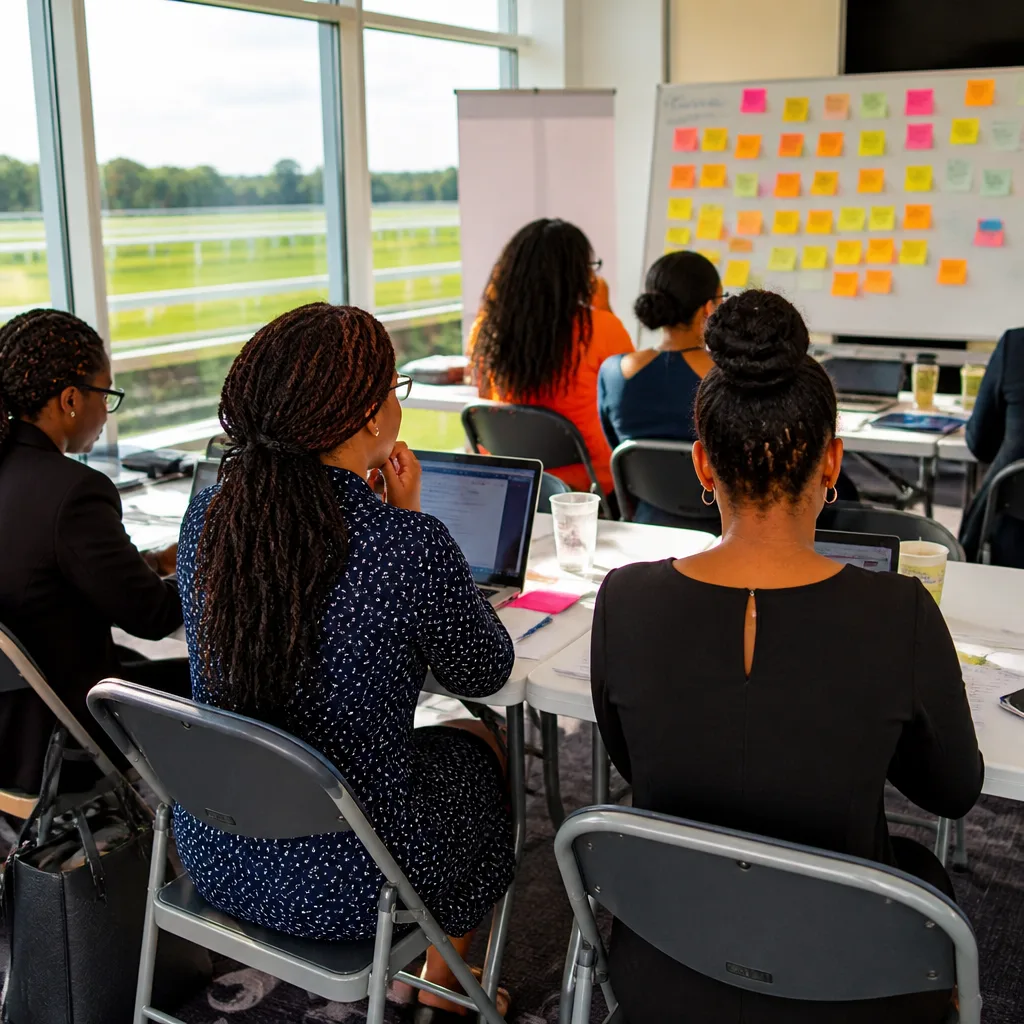
Since its creation in September, BFS has assisted about 50 founders and has helped bring roughly 30 businesses to the point where they are due to launch at an event at Chester Racecourse. Activity described by Antwi includes mentoring, product-sourcing trips and hands-on support that aims to move ventures from concept to market.
- Target group: early-stage black founders (majority black women)
- Organisational model: not-for-profit community interest business
- Output to date: around 50 founders supported; 30 businesses prepared for launch
What this means for households and the local economy
Small start-ups can generate household income and local employment, particularly when they scale beyond sole traders. By supporting founders through the fragile early stages of trading, programmes such as BFS can reduce the risk of business failure and help founders convert ideas into revenue-generating activity. The founder's own experience — a business that gained local traction and then folded after two years — underlines how early support can affect longer-term viability.
For policymakers and funders, the model points to two practical levers: targeted support for underrepresented founders and community-based structures (CIBs) that reinvest in local economic activity. For businesses and households, more resilient early-stage ventures can mean more stable incomes, better job opportunities and increased local spending.
| Metric | Value |
|---|---|
| Founder age | 27 |
| Founders supported | ~50 |
| Businesses prepared to launch | 30 |
Antwi's approach is hands-on and community-focused, combining lived experience with practical interventions such as sourcing trips and mentorship. The initiative will be watched by other support networks and local economic stakeholders as an example of community-led interventions aiming to improve diversity and outcomes among new businesses.