Mayor unveils long-term blueprint at Great Yorkshire Show
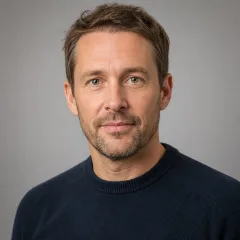
York and North Yorkshire’s mayor has set out a 10-year rural action plan intended to support countryside communities with more homes, improved skills training and better digital connectivity. Announcing the programme at the Great Yorkshire Show, metro mayor David Skaith said the strategy is designed to help rural economies grow at pace alongside the region’s urban centres.
The plan includes a commitment to enable at least 5,000 new homes in rural areas as part of a wider ambition to deliver 60,000 homes across the next decade. Alongside housing, the combined authority has earmarked an additional £1 million for skills development, with the intention of addressing recruitment pressures facing employers in sparsely populated parts of the region.
“A lot of young people are struggling to stay in York and North Yorkshire, which means a lot of businesses and industries are struggling to employ the people they need,” the mayor said. “It’s how we join strategies up to make sure our rural communities grow as quickly, and as well, as our cities and urban areas.”
Housing delivery and curbing the loss of local homes
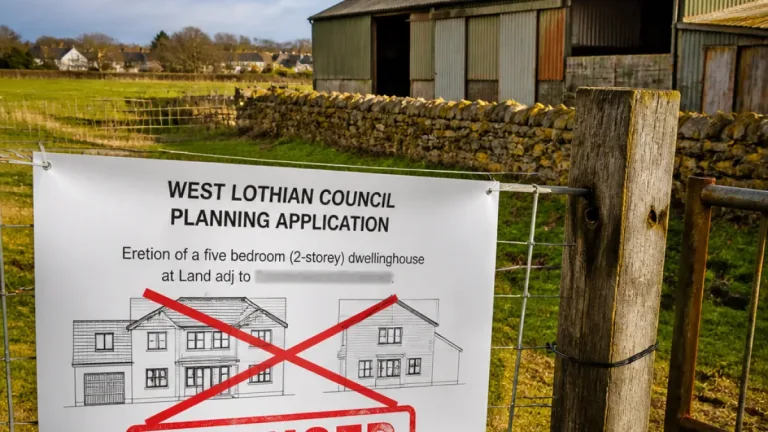
Officials at the York and North Yorkshire Combined Authority said the rural housing target would be pursued by working with councils and private developers to unlock stalled sites. According to the authority, most of the actions in the plan are already covered by existing budgets, with alternative funding routes to be explored where longer-term ambitions require them.
Mr Skaith emphasised that smaller-scale developments have an outsized impact on village life, arguing that adding a handful of properties can sustain essential services. He also acknowledged concerns around second homes pricing out local families, welcoming the moves by North Yorkshire Council and City of York Council to levy double council tax on second homes.
“In a rural context, three, four or five homes can keep a rural community alive. They keep young families here, they keep the schools open, the pubs open,” he said. On second homes, he added that ownership patterns had “destroyed” some areas, and underscored that the region’s core challenge is affordable homes.
Skills funding and digital blackspots
The plan sets aside an extra £1m for skills, with the intention of aligning training provision to the needs of rural employers. The mayor said the authority would work with providers and “really innovative” technology firms to tackle persistent mobile and broadband blackspots, which remain a barrier to growth for businesses and residents in remote areas.
While the strategy aims for quick wins where funding is in place, the combined authority says it will also seek support from central government and the private sector for long-range ambitions. A spokesperson said: where there are long-term ambitions we will explore alternative funding sources.
Why it matters for North Yorkshire’s villages and market towns
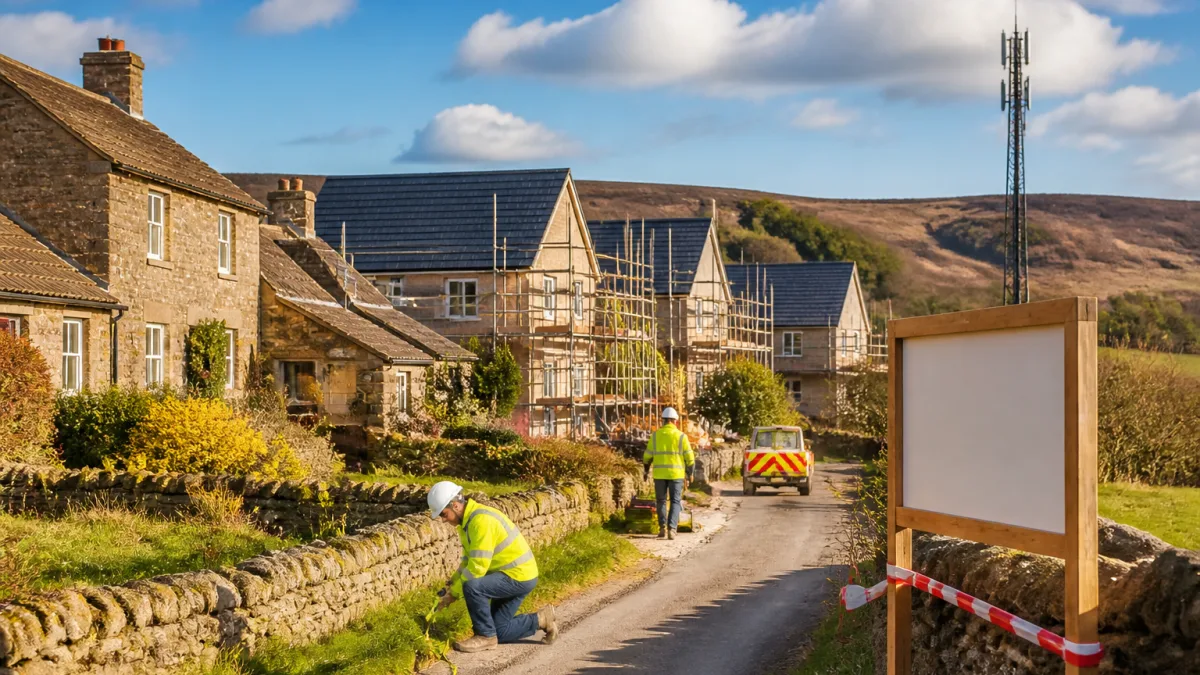
Across rural North Yorkshire, communities frequently report challenges securing genuinely affordable homes, recruiting and retaining staff, and accessing reliable mobile and broadband services. The mayor’s plan seeks to bring these strands together: delivering more homes in places where even a modest development can help sustain a school or local business; investing in training tailored to rural industries; and closing connectivity gaps that can isolate residents and constrain growth.
Officials say delivery will rely on close working with district planning authorities, the two national parks, and registered housing providers. The focus on “unlocking” stalled sites points to addressing viability and infrastructure hurdles that often hold back small-scale schemes in rural areas. The emphasis on affordable provision is pitched at keeping the next generation in communities where second homes and rising prices have limited local options.
What is being proposed
- Homes: A decade-long housing strategy for 60,000 homes overall, with at least 5,000 targeted for rural areas by collaborating with councils and developers to bring forward delayed sites.
- Skills: An extra £1 million dedicated to rural skills development to support employers and improve pathways for residents.
- Connectivity: Work with telecoms providers, local authorities and tech firms to reduce digital and mobile blackspots that hinder rural living and business.
- Affordability: Support for council measures addressing second home pressures, alongside efforts with planning bodies and housing providers to prioritise affordable delivery.
Key numbers at a glance
| Measure | Figure |
|---|---|
| Total homes targeted (10 years) | 60,000 |
| Rural homes (minimum) | 5,000 |
| Additional skills funding | £1 million |
Next steps and scrutiny
Most actions are described as already funded, though the combined authority has signalled that further backing may be needed for elements set over the longer term. Delivery timetables, site specifics and the split between market and affordable homes have not been published in detail; these will be points for scrutiny by communities, councillors and the development industry as schemes move forward.
The intervention places a clear emphasis on retaining young families, shoring up local services and simplifying the route from plan to delivery. As rural North Yorkshire confronts limited housing supply and patchy digital coverage, the success of the agenda will rest on collaboration between the combined authority, local councils, national park authorities, registered providers and private investors—and on ensuring the homes built are accessible to local people.