Blueprint unveiled at Great Yorkshire Show
The metro mayor for York and North Yorkshire has launched a decade-long programme aimed at strengthening the region’s rural communities, promising targeted housing delivery, investment in skills and a concerted effort to fix persistent digital and mobile coverage gaps. Announcing the proposals at the Great Yorkshire Show, Mayor David Skaith framed the plan as a way to match the pace of growth in villages and market towns with that of urban centres, while tackling affordability and workforce shortages that have tested local businesses.
Central to the approach is a housing drive. The combined authority says it will work with councils and developers to “unlock” stalled sites, with a specific pledge that at least 5,000 of the mayor’s wider target of 60,000 homes over the next 10 years are to be delivered in rural areas. Alongside this, an additional £1 million for skills development is earmarked to help local employers access trained staff and to support residents into better-paid work.
“A lot of young people are struggling to stay in York and North Yorkshire, which means a lot of businesses and industries are struggling to employ the people they need,” the mayor said, adding that aligning policies would help countryside communities grow on a par with towns and cities.
Focus on affordability and second homes
Addressing widespread concerns about affordability in coastal and rural settlements, the mayor argued that relatively small-scale schemes can sustain local services and keep families rooted. He also welcomed moves by North Yorkshire Council and City of York Council to levy double council tax on second homes, describing the impact of such ownership patterns in some places as having “destroyed” community cohesion.
The authority emphasised that the majority of actions identified are already financed through existing budgets. Where aspirations extend further into the decade, officials said they will look to central government or private investment to close funding gaps. The authority also highlighted ongoing work with planning teams, the two national parks and registered providers to increase the supply of homes that people working locally can realistically afford.
Connectivity: tackling digital and mobile blackspots
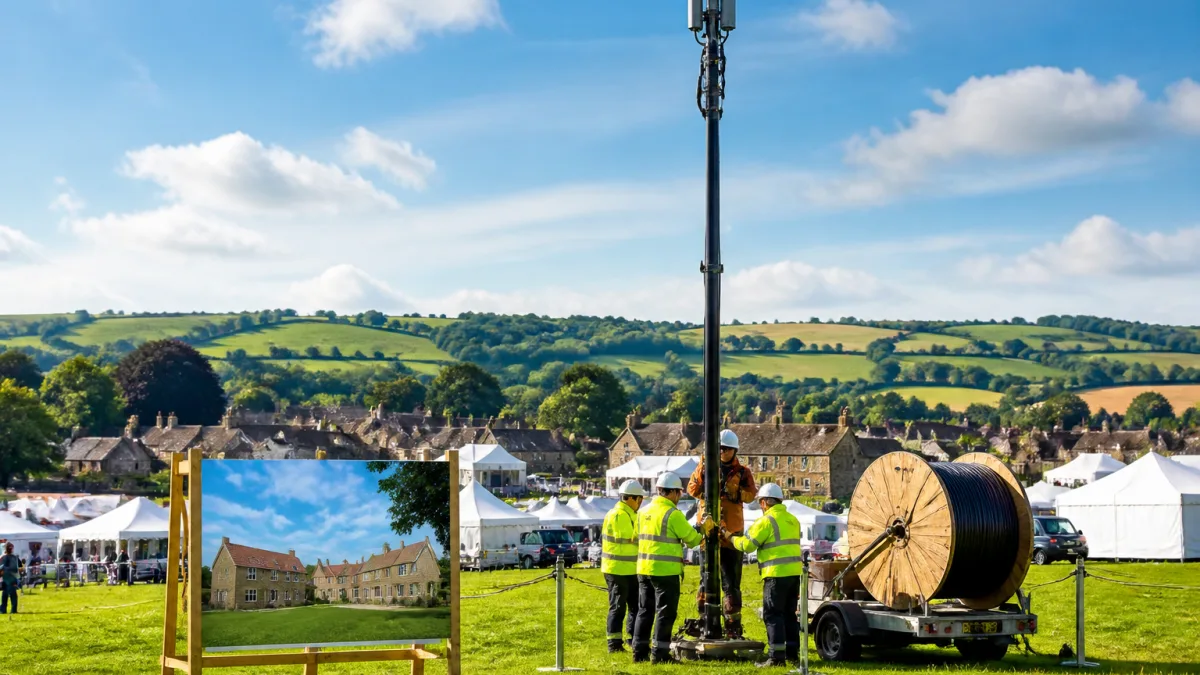
Alongside bricks and mortar, the plan seeks to boost rural infrastructure by targeting long-standing digital and mobile blackspots. Delivery will rely on collaboration with telecoms firms, local authorities and what were described as innovative technology companies. While timescales for specific schemes were not set out, the commitment acknowledges that patchy connectivity remains a barrier to home-based work, farm diversification and access to services in many parts of the county.
How the programme adds up
The combined authority set out a small number of headline commitments while signalling that some longer-term ambitions will require further funding bids or private-sector partnerships. The immediate focus is on enabling delivery through existing mechanisms and clearing blockages that hold back viable sites.
| Theme | Commitment |
|---|---|
| Housing | Deliver 60,000 homes over 10 years, with at least 5,000 in rural areas; work with councils and developers to unlock stalled sites |
| Skills | Allocate an extra £1m for skills development |
| Affordability | Back local moves to charge double council tax on second homes; prioritise affordable provision with planners, national parks and registered providers |
| Connectivity | Address persistent digital and mobile blackspots with providers and partners |
What it could mean for communities
The mayor argued that even modest housing schemes can keep schools and pubs viable in smaller settlements by sustaining demand and giving younger households a foothold. For employers, the combination of new homes and targeted skills support could ease recruitment pressures that have become acute in hospitality, care, construction and agriculture. Improved connectivity, if delivered, would support remote working and modernise access to public services, strengthening the case for businesses to invest beyond the major centres.
However, with no detailed site list published and several elements dependent on cooperation between tiers of government and the market, delivery will hinge on the authority’s ability to unblock planning barriers and assemble funding. Officials stressed that most actions are already costed within existing budgets, but acknowledged that some ambitions will require additional finance sourced from Whitehall or private partners.
Next steps and scrutiny
The combined authority has not provided a timeline for individual projects, though the decade-long horizon is intended to give partners certainty to plan. The mayor’s team said they are already working with local planning authorities, the two national parks and housing associations to prioritise affordable schemes. The emphasis on existing budgets suggests early activity may focus on sites close to readiness, with further announcements expected as funding opportunities arise.
Residents and community groups will watch closely how the balance between new development and local need is struck, particularly in areas affected by second-home pressures. The mayor’s framing is clear: housing, skills and connectivity are intertwined, and progress in one area depends on the others moving in step.
- Housing delivery aimed at keeping families in rural North Yorkshire and sustaining local services.
- Skills investment to support employers and improve local job prospects.
- Connectivity upgrades to reduce digital inequality and open up economic opportunity.