Mayor sets out decade-long plan at the Great Yorkshire Show
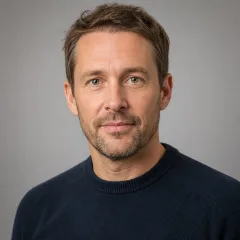
The metro mayor for York and North Yorkshire has launched a 10-year rural action plan aimed at strengthening countryside communities through new housing, a skills push and better connectivity. Announcing the strategy at the Great Yorkshire Show, David Skaith said the programme is intended to help rural economies grow on a par with towns and cities, with a pledge to deliver at least 5,000 homes in rural areas as part of a wider ambition for 60,000 new homes across the region over the next decade.
Officials from the York and North Yorkshire Combined Authority said the rural housing would be delivered by working with councils and developers to unlock stalled sites. The authority added that most actions in the plan are already covered by existing budgets, with longer-term ambitions to be supported by seeking further funding in partnership with central government or the private sector.
“A lot of young people are struggling to stay in York and North Yorkshire,” the mayor said, arguing that joined-up action is needed so villages can develop “as quickly, and as well” as urban areas.
Homes at the heart of keeping villages viable
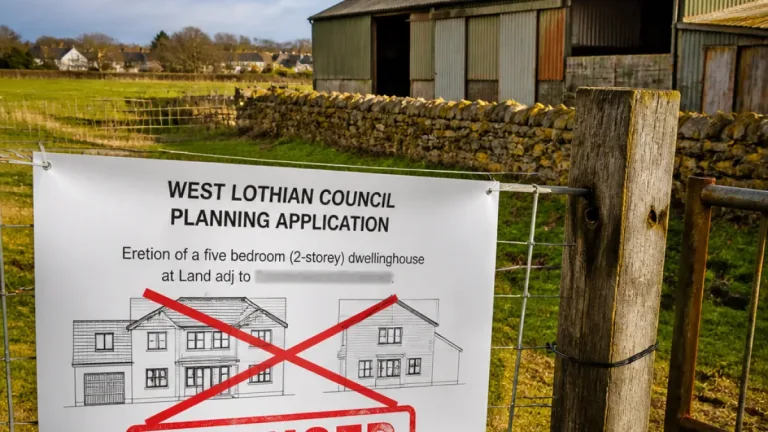
Housing lies at the centre of the plan. Skaith framed the target for rural building in terms of community survival, arguing that even small-scale development can underpin local amenities and jobs. He said that in a village context, delivering a handful of properties can keep families in place and help sustain schools and pubs.
He also addressed concerns about properties being lost to the second homes market. Welcoming decisions by North Yorkshire Council and City of York Council to levy double council tax on second homes, he said such ownership patterns had blighted some areas and that the combined authority was working with planners, the two national parks and registered housing providers to prioritise affordable homes.
Skills and connectivity: funding and focus
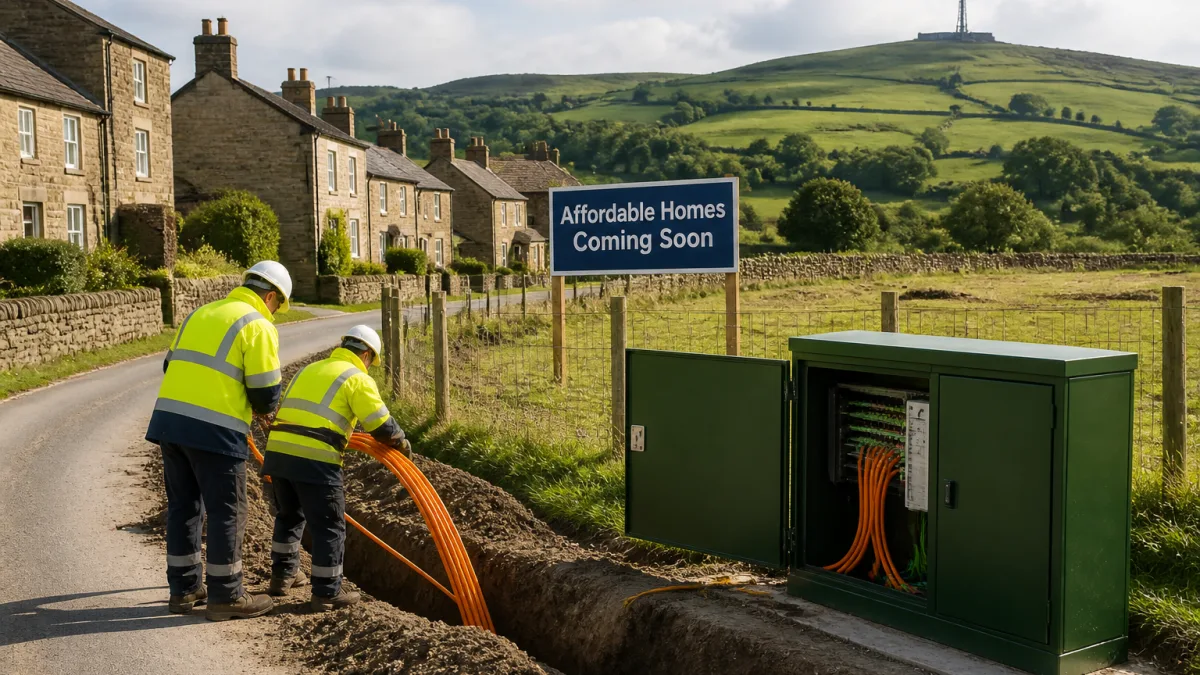
Alongside housing, the strategy includes an additional £1 million earmarked for skills development, a move the mayor linked to the needs of rural employers who report difficulty recruiting. The plan also promises to improve infrastructure by targeting persistent digital and mobile blackspots through collaboration with providers, local authorities and what the mayor described as innovative technology firms.
The combined authority emphasised that the bulk of the plan’s measures are financed within current allocations, giving the programme a practical starting point. For ambitions extending beyond existing envelopes, officials said further funding avenues would be explored, including national programmes and private investment.
What the plan pledges
- Housing delivery: Work with councils and developers to bring forward stalled rural sites, contributing at least 5,000 rural homes within a regional ambition of 60,000 homes over 10 years.
- Skills boost: Allocate an additional £1m to strengthen training and workforce development in rural communities.
- Connectivity upgrades: Target digital and mobile not-spots by partnering with telecoms providers, local government and tech companies.
At a glance
| Element | Detail |
|---|---|
| Rural homes target | 5,000+ over 10 years |
| Overall homes ambition | 60,000 across York and North Yorkshire |
| Skills funding | £1 million additional allocation |
| Delivery approach | Unlock stalled sites with councils and developers |
| Connectivity focus | Address digital and mobile blackspots |
Why it matters for North Yorkshire
The package speaks directly to familiar pressures across dales, moors and market towns: the struggle for younger residents to afford to stay put; labour shortages for rural employers; and the drag on business growth from patchy broadband and mobile coverage. By aligning housing delivery with skills and infrastructure, the plan attempts to tackle those interlinked challenges in concert rather than in isolation.
Securing delivery will hinge on planning and market conditions. The combined authority’s intention to unlock stalled sites indicates a focus on practical obstacles to building, while the nod to additional funding sources acknowledges that larger ambitions will require sustained investment. The stance on second homes, and coordination with local planning authorities and national park bodies, flags a continued emphasis on affordability for local people.
“Our challenge here is affordable homes – we haven’t built enough of them,” the mayor said, adding that the goal is to keep families rooted in their communities.
The announcement at the Great Yorkshire Show provides a high-profile platform for the strategy, but the test will be in steady, site-by-site progress and in whether connectivity upgrades reach the most isolated spots. Residents and businesses will watch for early movement on stalled plots, clear criteria for affordable housing, and visible steps to close digital gaps.