Rural blueprint unveiled at Great Yorkshire Show
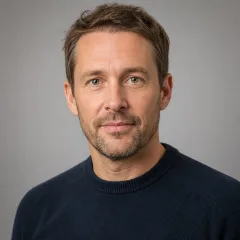
The mayor of York and North Yorkshire has set out a 10-year rural action plan intended to support countryside communities with new homes, skills investment and improved digital infrastructure. Announcing the strategy at the Great Yorkshire Show, metro mayor David Skaith said the programme is designed to help rural economies grow alongside urban areas, promising targeted delivery and joint working across councils, developers and providers.
“A lot of young people are struggling to stay in York and North Yorkshire, which means a lot of businesses and industries are struggling to employ the people they need,” he said. The plan, he added, is intended to “turbo-charge” countryside communities.
At the heart of the package is a commitment to enable at least 5,000 new homes in rural parts of the region over the next decade. Officials from the York and North Yorkshire Combined Authority said these will be delivered by working with local authorities and developers to unlock stalled sites. The mayor signalled this sits within a broader ambition to deliver 60,000 homes across York and North Yorkshire during the same period.
Funding mix and delivery routes
The combined authority said the majority of actions in the plan are already funded through existing budgets. For longer-term ambitions, options will be explored with central government and the private sector. Alongside the housing pledges, the plan allocates an additional £1 million for skills development aimed at addressing labour shortages that particularly affect rural employers.
Mr Skaith emphasised the importance of modest, community-sized schemes, arguing that relatively small developments can be the difference between decline and resilience in villages and market towns.
“In a rural context, three, four or five homes can keep a rural community alive. They keep young families here, they keep the schools open, the pubs open,”he said.
Second homes and affordability pressures
Responding to concerns about new properties being lost to the holiday market, the mayor described the impact of second homes in some places as severe.
He said second home ownership had “destroyed” some areas and welcomed decisions by North Yorkshire Council and City of York Council to charge double council tax on second homes.He said the combined authority is working with planners, both national parks and registered housing providers to prioritise affordable homes, acknowledging past under-delivery in this area.
Connectivity and rural infrastructure
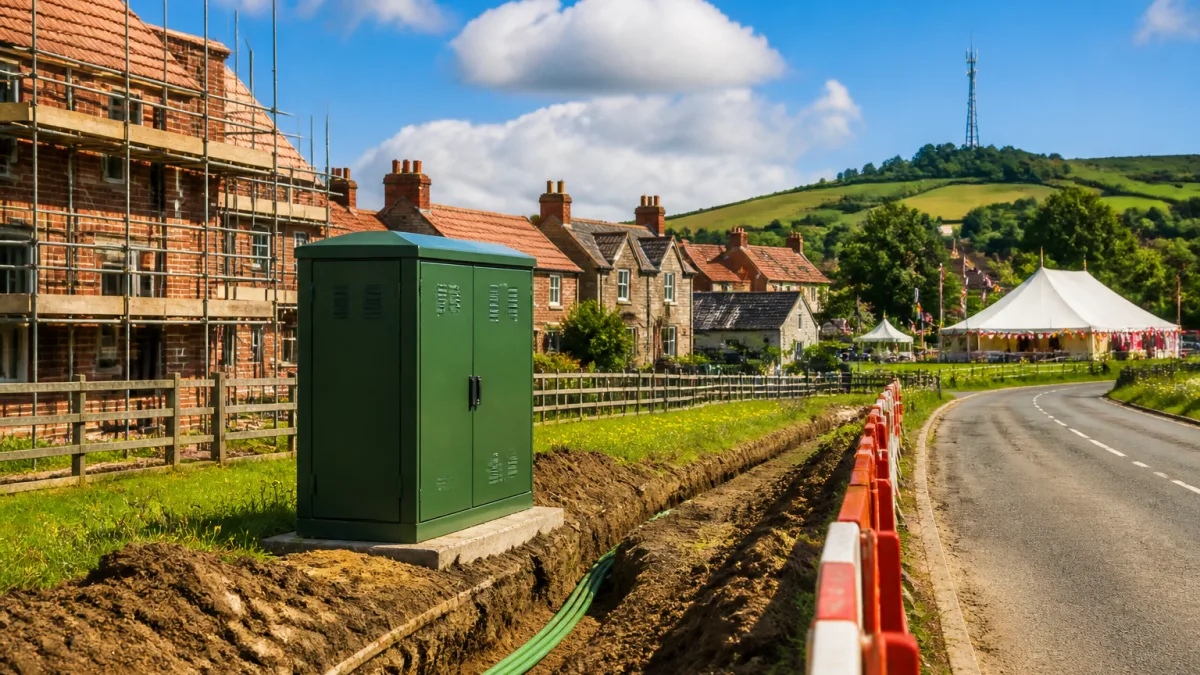
Beyond bricks and mortar, the plan promises to upgrade rural infrastructure by tackling persistent digital and mobile blackspots. Delivery would rely on collaboration with network providers, local authorities and technology companies. Poor connectivity remains a frequent concern raised by rural businesses and residents, limiting access to services, online education and remote work opportunities; the combined authority says targeted interventions can help close that gap.
What the plan aims to do
- Housing: Work with councils and developers to unlock stalled rural sites, contributing at least 5,000 homes within a wider 60,000-home regional ambition.
- Skills: Invest an extra £1m to support local training and workforce development in rural areas.
- Connectivity: Partner with providers to address digital and mobile blackspots that hamper rural economies.
| Priority | Stated approach |
|---|---|
| Rural housing | Unlock stalled sites with councils and developers |
| Skills | Allocate additional £1m from existing budgets |
| Connectivity | Work with providers to tackle blackspots |
| Funding | Use current budgets; seek further support from government and private sector |
Local impact and next steps
The combined authority’s approach links housing delivery to the sustainability of village amenities and rural employment. The mayor’s backing for higher council tax on second homes underlines a focus on retaining homes for local people, while partnering with national parks and housing providers is intended to align planning and affordability goals. Implementation will depend on collaboration across the region’s institutions and on securing external funding for longer-term elements.
For rural communities in North Yorkshire, the test will be how quickly stalled sites are brought forward, whether the skills investment meets local labour needs, and if digital upgrades reach areas most affected by patchy coverage. The authority maintains most measures are already costed within current budgets, with work under way to identify additional finance where required.