Mayor sets out 10-year bid to strengthen rural life
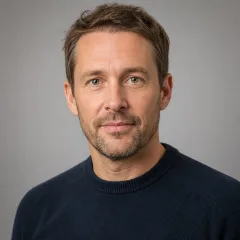
York and North Yorkshire’s metro mayor has unveiled a 10‑year rural action plan aimed at shoring up village life, widening access to jobs and tackling poor connectivity. Announced at the Great Yorkshire Show, the strategy centres on delivering new housing in the countryside, investing in workforce skills and working with providers to address persistent digital and mobile blackspots.
David Skaith said the package is intended to help communities outside the cities retain younger residents and sustain local economies. The plan forms part of a broader housing ambition over the next decade, with a specific rural component designed to “unlock” stalled development sites in partnership with councils and developers.
Housing pledge with focus on affordability
The combined authority says it will work with North Yorkshire Council, the City of York Council, national parks and registered housing providers to bring forward sites that have failed to progress. The mayor has set a rural target of at least 5,000 homes within an overall ambition of 60,000 across York and North Yorkshire over 10 years. He argued that small-scale schemes can be pivotal for village viability.
“In a rural context, three, four or five homes can keep a rural community alive. They keep young families here, they keep the schools open, the pubs open.”
Pressed on how homes would reach local people rather than buyers of second properties, the mayor said second home ownership had harmed parts of the region and welcomed decisions by both local authorities to charge double council tax on second homes. He said planning authorities and housing providers were being asked to prioritise affordability in the rural pipeline.
Skills and connectivity: closing the gaps
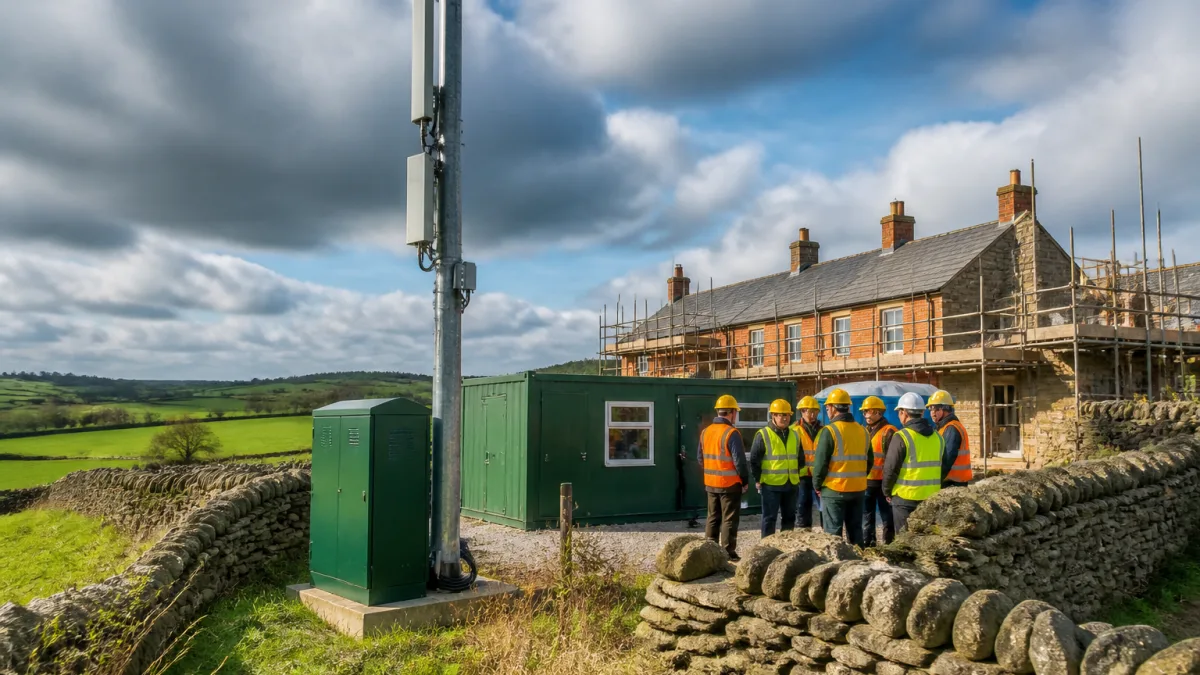
The plan includes an additional £1m for skills development, intended to support training that matches the needs of rural employers. Officials say most of the actions can be funded from existing budgets, with longer‑term items potentially seeking support from national government or the private sector. On connectivity, the authority will work alongside telecoms providers, councils and “innovative” technology firms to improve coverage in areas that consistently experience poor service.
How the authority says it will deliver
- Partner with councils, national parks, planners and registered providers to bring forward rural sites.
- Use existing budgets for near‑term measures; explore wider funding for longer‑term ambitions.
- Collaborate with network operators and local partners to address mobile and broadband not‑spots.
Officials at the combined authority said the housing element relies on coordinated action to unlock stalled land, rather than on a single new funding pot. They also stress that the rural strand sits within a region‑wide housing programme, intended to balance growth between towns, cities and villages.
At a glance
| Measure | Headline commitment |
|---|---|
| Timescale | 10 years |
| Total homes (region‑wide) | 60,000 over 10 years |
| Rural homes | At least 5,000 |
| Skills funding | £1m additional allocation |
| Connectivity | Work to tackle digital/mobile blackspots |
What it could mean for North Yorkshire
The proposals speak to long‑running challenges in North Yorkshire’s more remote areas: limited affordable housing, recruitment pressures for rural employers and patchy connectivity that holds back firms and workers. If the authority succeeds in unblocking small schemes and channeling skills funding effectively, the measures could help retain younger households, support village services and improve access to employment in the county’s dispersed settlements. Much will depend on how quickly stalled sites are released, how affordability is secured in practice, and the pace at which network improvements can be delivered in harder‑to‑reach places.