Long-term strategy to bolster rural life unveiled at Great Yorkshire Show
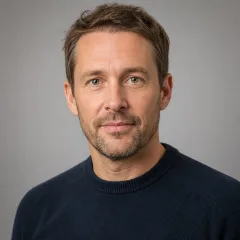
York and North Yorkshire’s metro mayor has set out a 10‑year rural action plan aimed at tackling housing shortages, strengthening local skills and addressing persistent connectivity gaps across the county’s countryside communities. Announcing the programme at the Great Yorkshire Show, Mayor David Skaith said the plan is designed to help rural economies grow in step with urban centres.
“A lot of young people are struggling to stay in York and North Yorkshire, which means a lot of businesses and industries are struggling to employ the people they need.”
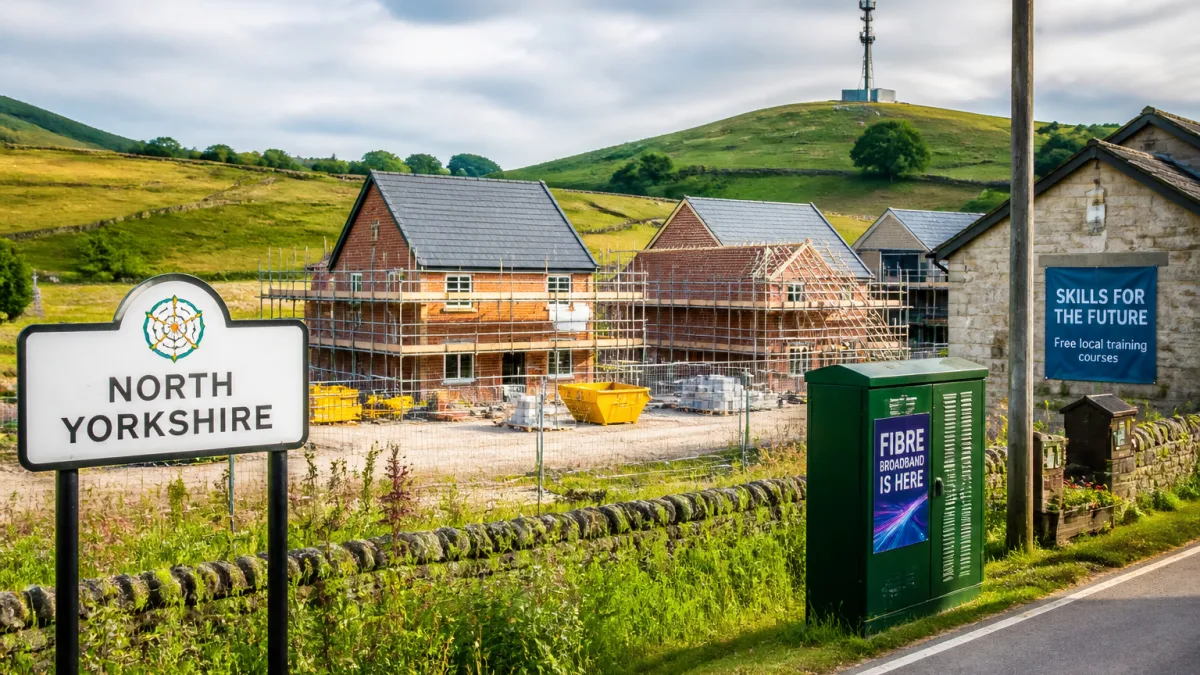
Central to the strategy is a pledge to enable at least 5,000 new homes in rural areas within a broader ambition for 60,000 homes countywide over the next decade. The York and North Yorkshire Combined Authority (YNYCA) says it will work with councils and developers to “unlock” stalled sites so these properties can be “delivered” where villages most need them. Officials emphasise that most actions in the plan are already covered by existing budgets, with further funding to be explored with central government or the private sector for longer-term goals.
Homes for local people and the second homes challenge
With many rural settlements under pressure from a limited supply of affordable housing, the mayor repeated his focus on homes that keep families, key workers and young adults rooted locally. He argued that in small villages, even a handful of properties can make the difference between a sustainable community and decline — from keeping schools and pubs open to supporting local services. Addressing concerns about holiday lets and second homes, he said such ownership patterns have harmed some localities and welcomed moves by North Yorkshire Council and the City of York Council to apply double council tax on second homes.
“In a rural context, three, four or five homes can keep a rural community alive.”
The mayor said his team is working with planning authorities, both national parks and registered providers to increase the supply of affordable homes. How allocations will be managed locally remains in the hands of the relevant councils and their planning frameworks, but the combined authority is positioning its role as convenor and enabler to bring stalled developments forward.
Skills, transport and connectivity
Alongside housing, the plan earmarks an extra £1 million for skills development, targeted at helping rural businesses find people with the right capabilities and ensuring residents can access training without leaving their communities. The mayor linked workforce gaps to the difficulty many young people face in staying in the region, pointing to the need to integrate housing, skills and infrastructure decisions so rural places can thrive on the same footing as towns and cities.
On infrastructure, the authority has committed to upgrade rural digital access by tackling mobile and broadband blackspots. Delivery is expected to involve collaboration with network providers, local authorities and what the mayor described as “really innovative” technology firms. While specific mast or fibre locations were not disclosed, the direction of travel is towards coordinated investment to remove persistent coverage gaps that deter enterprise and frustrate residents.
How the plan will be funded and delivered
YNYCA says the majority of actions are already funded within current budgets. For ambitions that extend beyond these allocations, it will seek additional finance through government programmes or private investment. The plan’s delivery model hinges on partnership working: engaging district planning teams, national park authorities and housing associations to unlock constrained sites; convening providers to target digital not-spots; and aligning skills provision with the needs of local employers.
Officials highlight that success will depend on keeping projects viable in smaller settlements, where scale is limited but the social impact of a modest development can be significant. The combined authority’s coordination role is intended to de-risk schemes and bring a pipeline of rural sites to fruition over the decade.
At a glance: key elements of the rural action plan
- Housing: At least 5,000 rural homes within a 10‑year countywide target of 60,000; focus on affordability and keeping communities viable.
- Skills: Additional £1m to strengthen training opportunities aligned to rural business needs.
- Connectivity: Joint work with providers to eliminate digital and mobile blackspots.
- Second homes: Support for local councils’ decisions on double council tax to ease housing pressures.
| Priority | Measure | Delivery approach |
|---|---|---|
| Rural housing | 5,000+ homes; part of 60,000 total | Work with councils/developers to unlock stalled sites |
| Skills | £1m additional funding | Target training to employer needs; retain young people |
| Connectivity | Tackle mobile/broadband gaps | Partner with providers, councils and tech firms |
| Affordability | Support measures on second homes | Coordination with planning authorities and housing providers |
The next phase will focus on translating this framework into site-by-site delivery and targeted interventions, particularly where villages face acute affordability issues or repeated connectivity failures. The combined authority’s commitment to leveraging existing budgets first, then pursuing new funding where needed, suggests a pragmatic route to long-term improvements without waiting on a single, large pot of external cash.
For residents, the test will be whether the promised homes are built in the right places and remain accessible to local people, whether skills investment reaches rural learners, and whether mobile signals and broadband speeds become reliable. Those outcomes will determine whether the plan delivers on its ambition to, in the mayor’s words, “turbo‑charge” the rural economy of North Yorkshire and York over the coming decade.