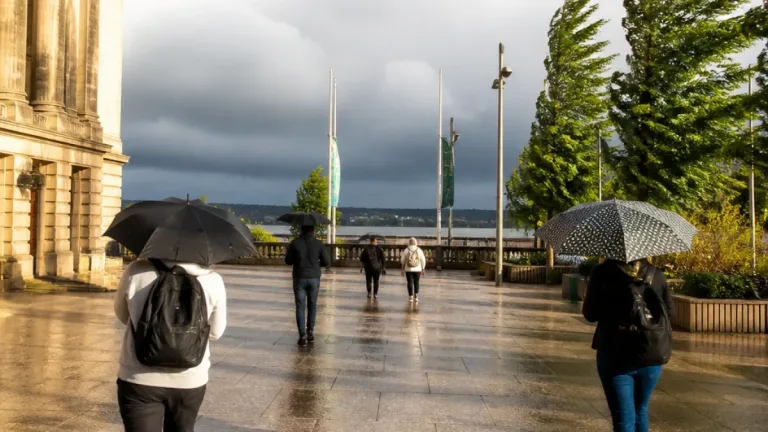
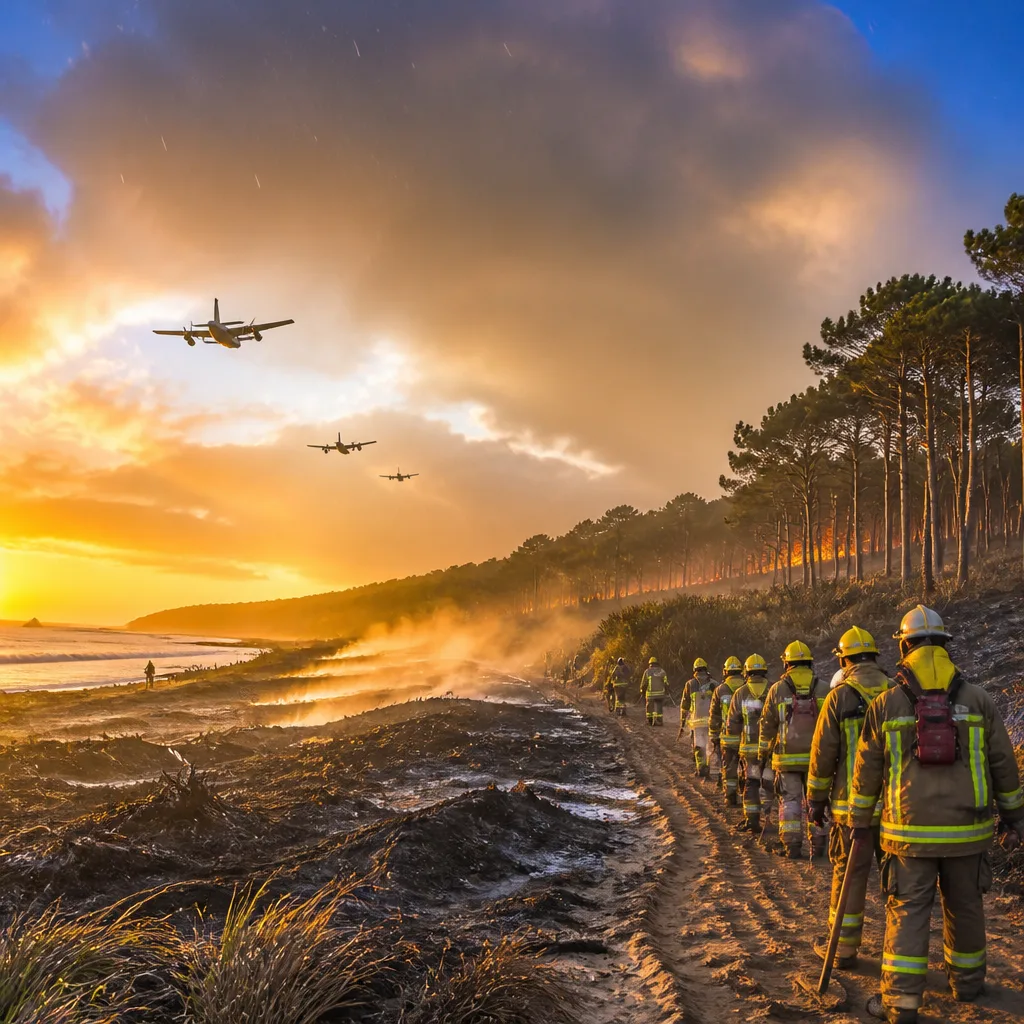
Higher humidity and a shift to cooler conditions, with light rain predicted in places, brought cautious optimism on Thursday for parts of southwestern France battered by wildfires that have scorched a very large area in recent weeks. Moisture moving in from the Atlantic was expected to reach the Lege-Cap Ferret peninsula, one of the zones on the frontline of the blazes.
Current situation and response
Local officials described the previous night as "rather calm" as containment efforts continued. Authorities say the area affected by the fires stands at about 42,000 hectares — roughly 162 square miles, or about four times the area of Paris — and that the blaze has not expanded beyond that footprint in the latest reports.
- Firefighting resources: some 2,200 firefighters deployed along with more than 20 aircraft.
- Weather relief: higher humidity, cooler air and light rain forecast for parts of the peninsula and Atlantic-facing coast.
- Rain observed: precipitation was reported in the city of Bordeaux, but heavier falls have not yet reached the hardest-hit inland and dune-fringed areas.
Why rain may not be enough yet
Despite the incoming moisture, forecasters and emergency services warned that early showers may not be sufficient to extinguish burning ground fuels. The fires have been fed by dry, sandy soils and dense pine undergrowth that can retain heat and allow embers to smoulder below the surface. That combination makes complete suppression more challenging, even where skies have clouded over.
| Metric | Value |
|---|---|
| Area affected | 42,000 ha (~162 sq mi) |
| Firefighters | 2,200 |
| Aircraft | Over 20 |
Regional context
The incidents in France are part of a wider pattern of extreme fire activity affecting parts of southern Europe this season. Separate blazes on the Greek island of Crete were pictured with fire-damaged olive trees and reports indicated that two firefighters died while tackling those fires in the Rethymno area.
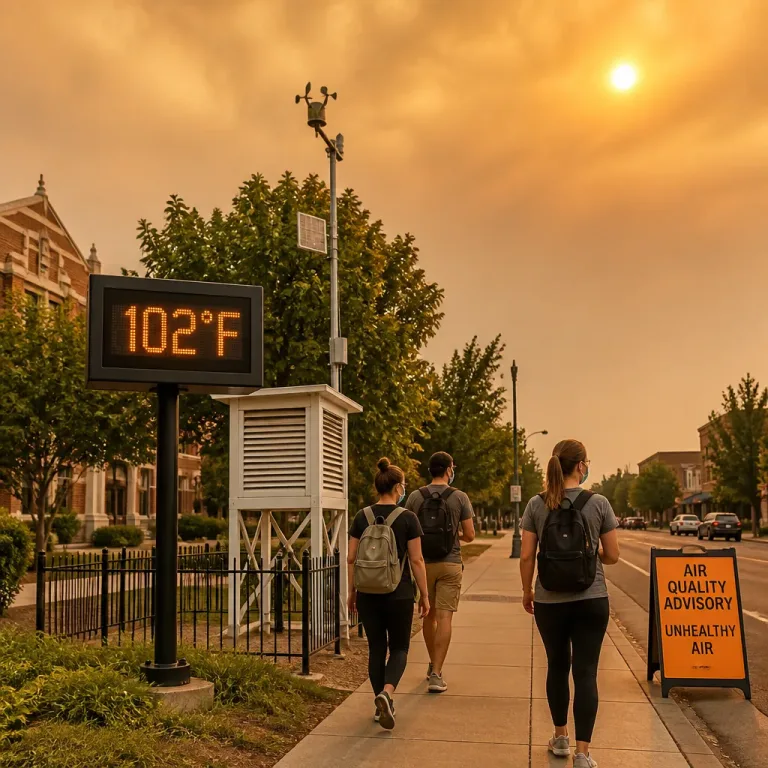
Emergency teams remain on full alert. Residents in or near impacted zones are advised to follow official evacuation orders and avoid returning to affected areas until authorities confirm it is safe to do so. Those in nearby communities should be prepared for smoke impacts and localised poor air quality.
"rather calm"
While the arrival of cooler, more humid air and some rain is welcome, authorities have emphasised that significant and sustained precipitation will be required to bring the most dangerous fires under definitive control. Fire crews and aircraft continue to operate where conditions permit, and national services remain mobilised.
Safety guidance: keep windows closed if smoke is present; follow local authority updates; heed evacuation notices; and avoid travel into affected forested or dune areas until given the all-clear.