Several readers have urged that the recent spate of hosepipe bans should be seen as a symptom of long‑term failures in the water sector rather than as a problem explained mainly by the climate. They point the finger at privatised water companies, alleging chronic underinvestment and dividend extraction that have left networks ageing and leaky.
What readers are saying
"Why has the ban been put in place, anyway? The answer, as with so many things, is the climate crisis."
One correspondent responded sharply to that claim, arguing the climate is "only part of the answer, and probably the smaller part," and that corporate decisions have played a larger role.
Writers highlighted three recurring complaints:
- that water firms prioritise shareholder returns over maintenance;
- that the regulator, Ofwat, lacks effective enforcement powers; and
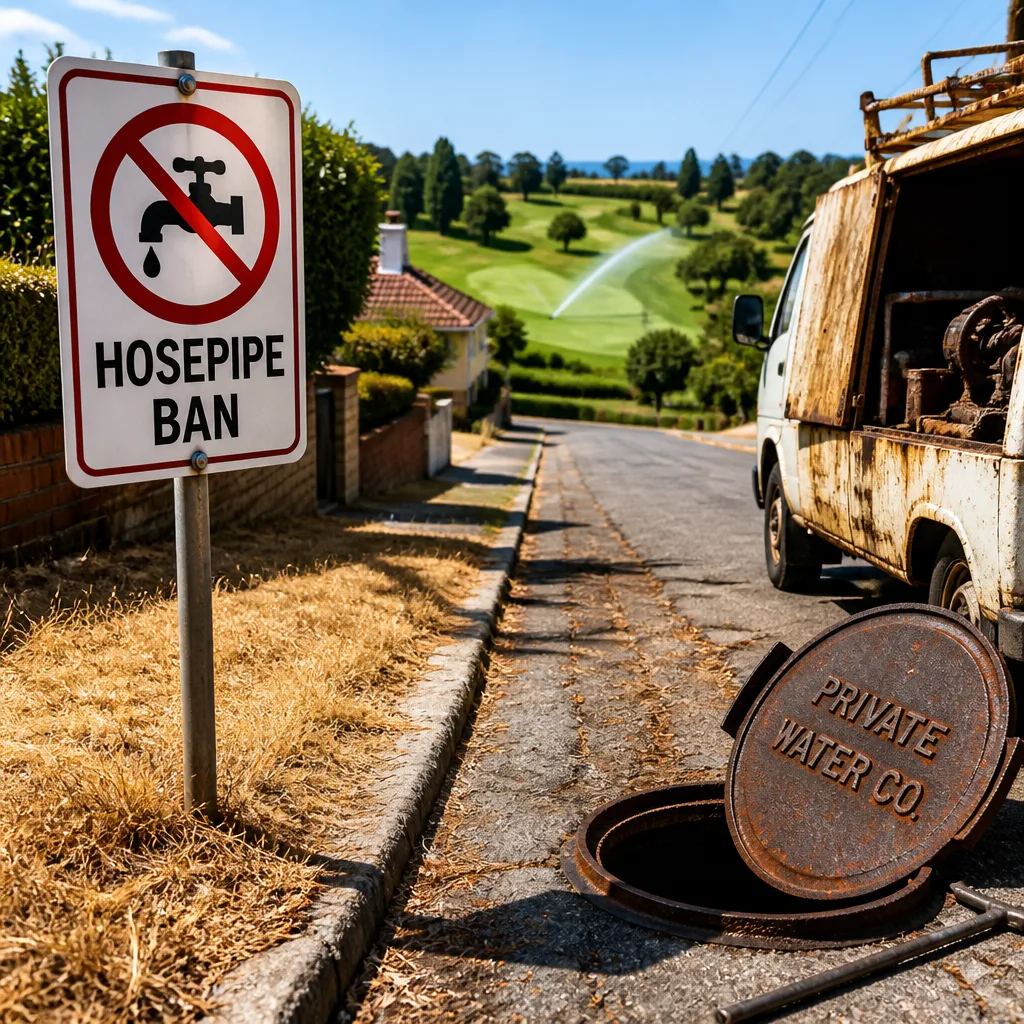
- that current policies allow exemptions — such as for golf courses and car washes — that seem to undermine the logic of bans.
Households and businesses
Correspondents note practical consequences for consumers and small businesses. They point to rising water bills alongside continuing leaks and argue that scarcity driven by network failures forces more frequent restrictions on ordinary household uses such as garden watering. One letter-writer expressed concern that datacentres are being prioritised for cooling needs over domestic supply, saying tech firms should "find another way to cool their servers" if it threatens fundamental water access.
Policy responses proposed by correspondents
Among the remedies suggested in the letters were tougher regulatory action and direct fiscal measures aimed at investors. One writer urged the incoming prime minister to consider imposing a large tax burden on water company shareholders to raise capital for pipe replacement and reservoir construction. Another urged clearer limits on which activities receive exemptions during bans.
| Stakeholder | Concern |
|---|---|
| Households | Higher bills, supply restrictions, loss of confidence in providers |
| Businesses | Operational disruption for some sectors; perceived unfair exemptions |
| Investors/Owners | Calls to redirect returns into infrastructure or face higher taxation |
The letters do not supply new empirical data but reflect a persistent public narrative: that shortages prompting bans frequently have structural roots in the industry’s funding and regulatory model rather than being wholly driven by short‑term weather patterns. For policymakers the challenge is clear — reconciling investment incentives, regulator teeth and consumer protection so that restrictions become rarer and better justified.
For households and small firms the practical impact is immediate — fewer options for non‑essential water use and a sense that higher bills are not delivering commensurate improvements in network resilience. The correspondents’ proposals range from stronger enforcement by Ofwat to fiscal measures aimed at redirecting private returns into public‑facing infrastructure upgrades.
These letters add to the ongoing debate about how best to secure the UK’s water supplies as pressures from climate variability and ageing infrastructure both make themselves felt.