The Environment Agency has today confirmed that Devon and Cornwall are in drought following several weeks of exceptionally hot, dry weather that has left rivers and reservoirs at unusually low levels.
How severe is the situation?
Some locations in Devon have now gone around 50 days without measurable rain. Across England, July has delivered roughly 7 per cent of the rainfall normally expected for the month, and southern England has received only about 1 per cent of its usual July precipitation.
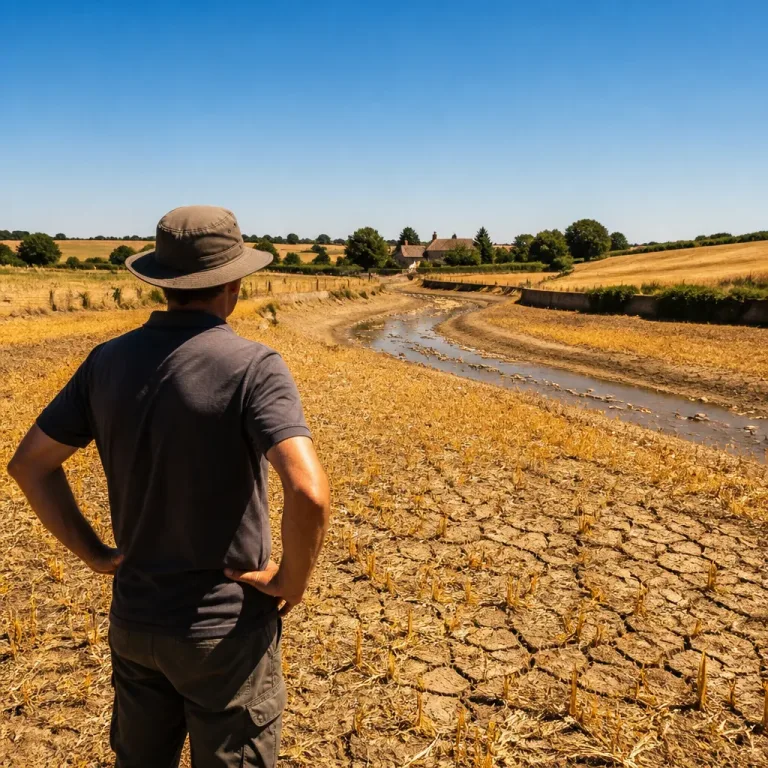
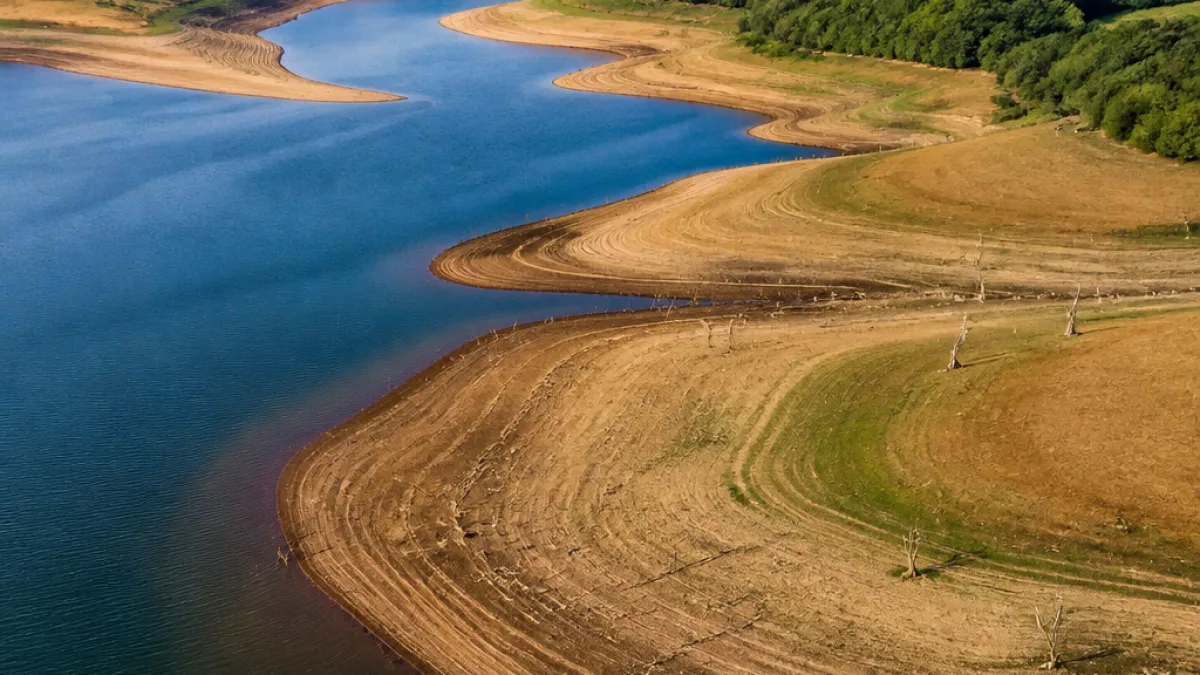
One of the most immediate local impacts is at Wimbleball Reservoir — a key source for Exeter and other parts of the county — which the Environment Agency has described as being at an "exceptionally low" level. Reservoir storage across England as a whole stands at about 75.3 per cent, some 7.4 percentage points below the seasonal average.
"A second consecutive summer drought is an exceptionally serious situation and one that will have long-lasting impacts on our environment, wildlife and the economy," the Environment Agency's director of water, Helen Wakeham, said.
Who is affected and what measures are in place?
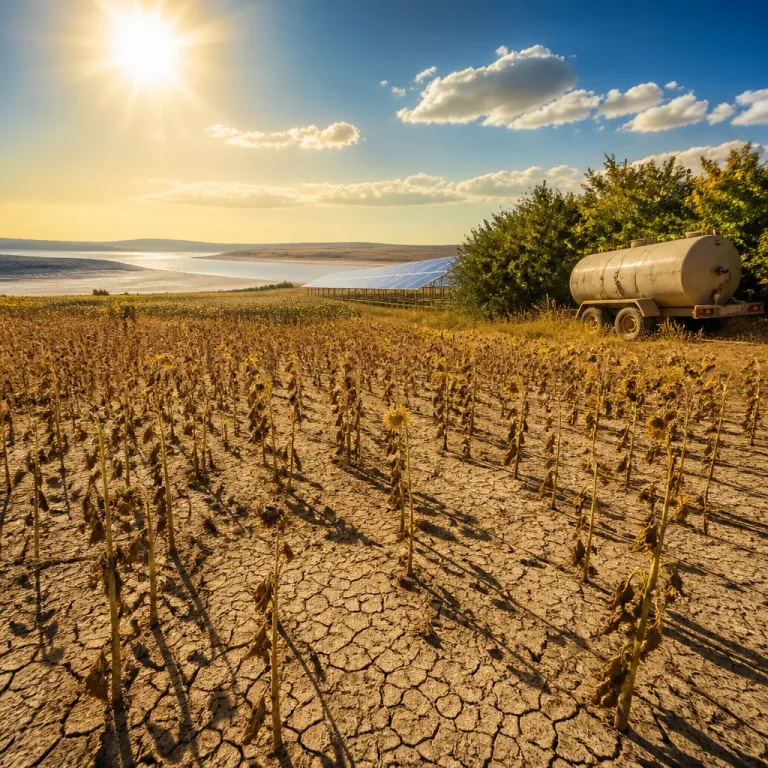
The dry spell is already putting pressure on rivers, wildlife and farming. Soil moisture in the South West is reported to be at record-low levels for late July; farmers are facing lower yields, earlier harvests and a heightened risk of field fires. Water companies, including South West Water, are among seven firms to have introduced temporary restrictions on water use. Nationally, these measures currently affect around 23 million customers.
- Declared drought areas include Devon and Cornwall, East Anglia, London and Hertfordshire, the Thames Valley, Hampshire and the Isle of Wight, the West Midlands and Wessex.
- The Environment Agency is restricting some abstractions from rivers and groundwater and increasing monitoring.
- Households and businesses should expect potential further restrictions and are urged to conserve water where possible.
Local context and likely impacts
The declaration marks a striking shift from a wet winter to an exceptionally dry summer. England has already experienced multiple heatwaves this year. For communities in Devon, the combination of low river flows, depleted reservoirs and dry soils raises risks to public water supply resilience, freshwater habitats, and the county's agricultural economy.
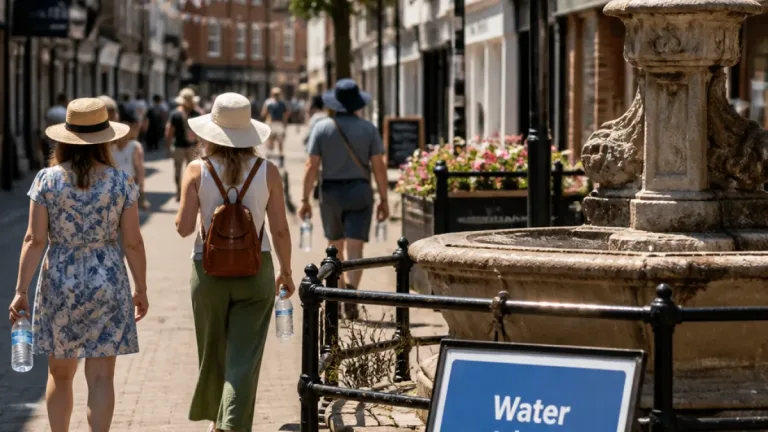
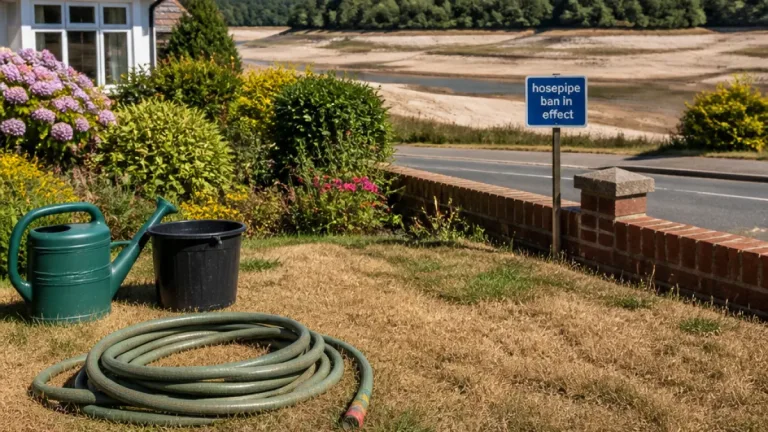
Practical implications for residents may include tighter limits on discretionary water use, such as garden watering, and increased public messaging from water companies about saving water. Farmers may have to harvest earlier than usual or reduce irrigation where available; conservation groups and anglers are likely to be concerned about the impacts on wildlife and fisheries as flows fall.
| Key figure | Value |
|---|---|
| Days without rain in parts of Devon | 50 |
| July rainfall vs normal (England) | 7% |
| Southern England July rainfall vs normal | 1% |
| Reservoir storage (England) | 75.3% |
| Customers affected by temporary restrictions (national) | 23 million |
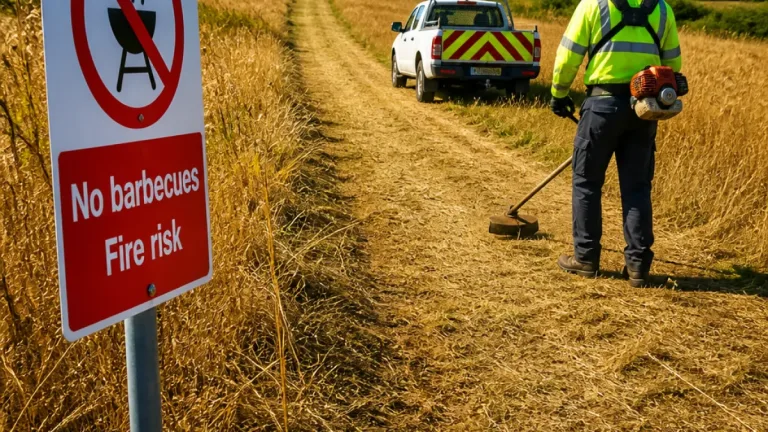
Residents should follow updates from the Environment Agency and their local water supplier for specific advice and any temporary restrictions. Local authorities and emergency services are likely to step up communications on fire risk in countryside and moorland areas as the dry conditions persist.
The drought declaration comes into effect as the Environment Agency steps up monitoring and enforces limits on some water abstractions to protect river habitats and long-term water supply. How long the conditions will last will depend on rainfall over the coming weeks and the management responses of water companies and regulators.
For now, households and businesses in Devon and Cornwall are being asked to reduce non-essential water use and to prepare for the possibility of further measures if the dry spell continues.