Lionel Messi again proved decisive for Argentina in their World Cup semi-final against England, producing the creative moments that settled the tie in Atlanta and securing a place in another final.
How Messi won a game without many touches
England succeeded where several sides before them had struggled: they largely prevented the tournament’s top goalscorer from scoring. Messi registered only one shot, which did not trouble Jordan Pickford, and he spent long periods pushed to the right and kept out of the centre by tight English marking. Yet the match underlined that scoring is only one strand of his influence.
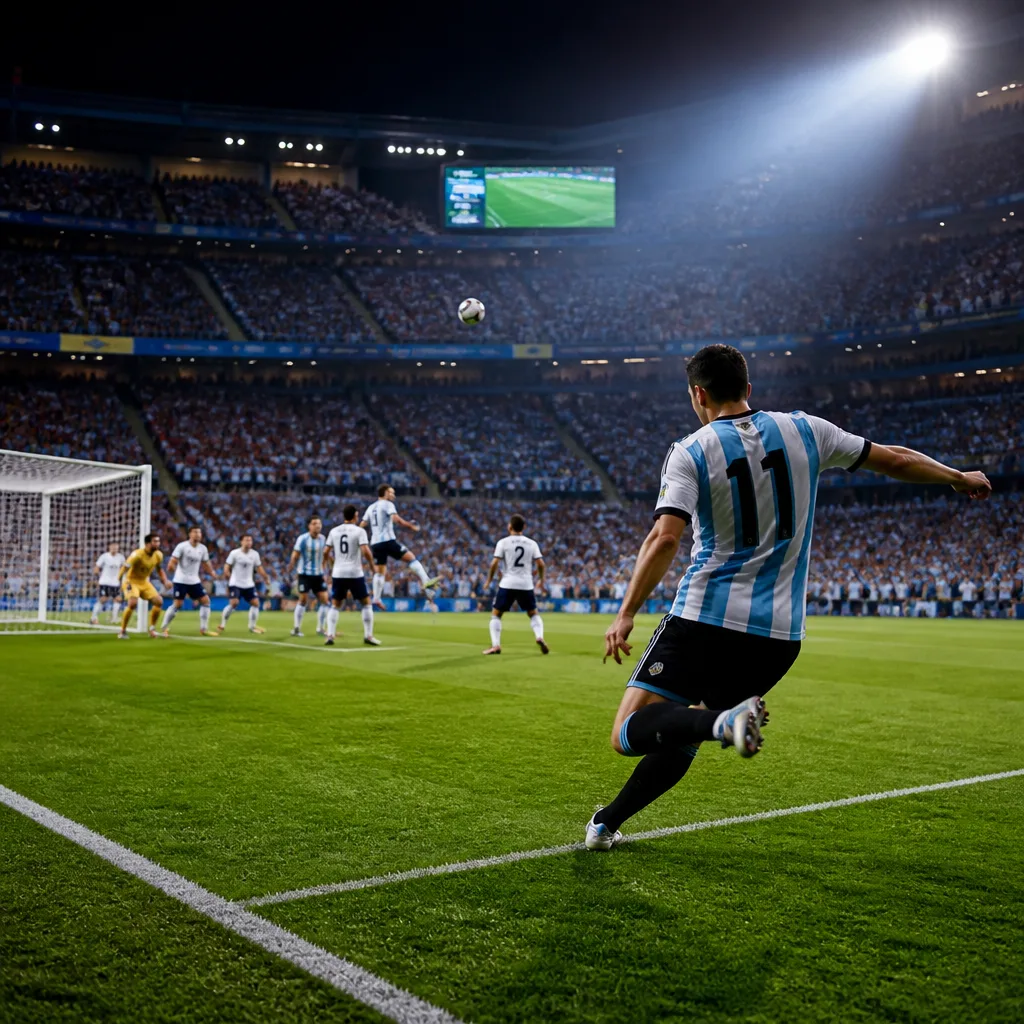
He supplied the pass that drew Argentina level — a seemingly routine delivery to Enzo Fernández — and later produced a more flamboyant contribution: driving down the right and floating a cross that evaded John Stones’ leap and found Lautaro Martínez for the winning header. Despite limited touches for much of the match, he was awarded man of the match.
What this means in context
Messi’s presence repeatedly diverted England defenders, creating gaps that team‑mates exploited. The result sends Argentina through to a World Cup final, and in doing so he equals a rare tournament landmark: only Cafu had previously appeared in three finals. Messi will now match that feat with the upcoming final on Sunday.
- Messi registered just one shot in the semi-final and did not score.
- He created Argentina’s equaliser and provided the assist for the winner.
- He received the man of the match award and will appear in his third World Cup final.
Memory and redemption
The semi-final also recalled earlier chapters of Messi’s international career. His first final, in 2014 in Rio de Janeiro, ended in defeat: a one‑on‑one with Manuel Neuer was missed before Mario Götze scored the extra‑time winner for Germany. Eight years later, in 2022 in Doha, Messi played a starring role—scoring twice in the final and converting an audacious penalty in the shootout—to claim the trophy that had long eluded him. Having endured prolonged scrutiny in Argentina over the years, the return to another final adds to the narrative of a player rewriting his international legacy.
| Year | Final outcome |
|---|---|
| 2014 | Lost (Germany winner in extra time) |
| 2022 | Won (scored twice; scored in shootout) |
| 2026 | Reached (will be third final) |
For British readers the defeat will prompt reflection on England’s tactical approach: the side managed to stifle Messi’s scoring threat but ultimately paid for the spaces left elsewhere. The match demonstrated how a world‑class player can decide high‑stakes ties by altering opponents’ shape and creating chances even without piling up shots or goals.
As Argentina prepare for the final, Messi’s role in Atlanta emphasises a broader truth about elite players: influence is not measured only by finishes but by the opportunities they fashion and the defensive reactions they provoke. That capacity to change a game with a few key interventions is what, once more, has taken him to football’s biggest stage.