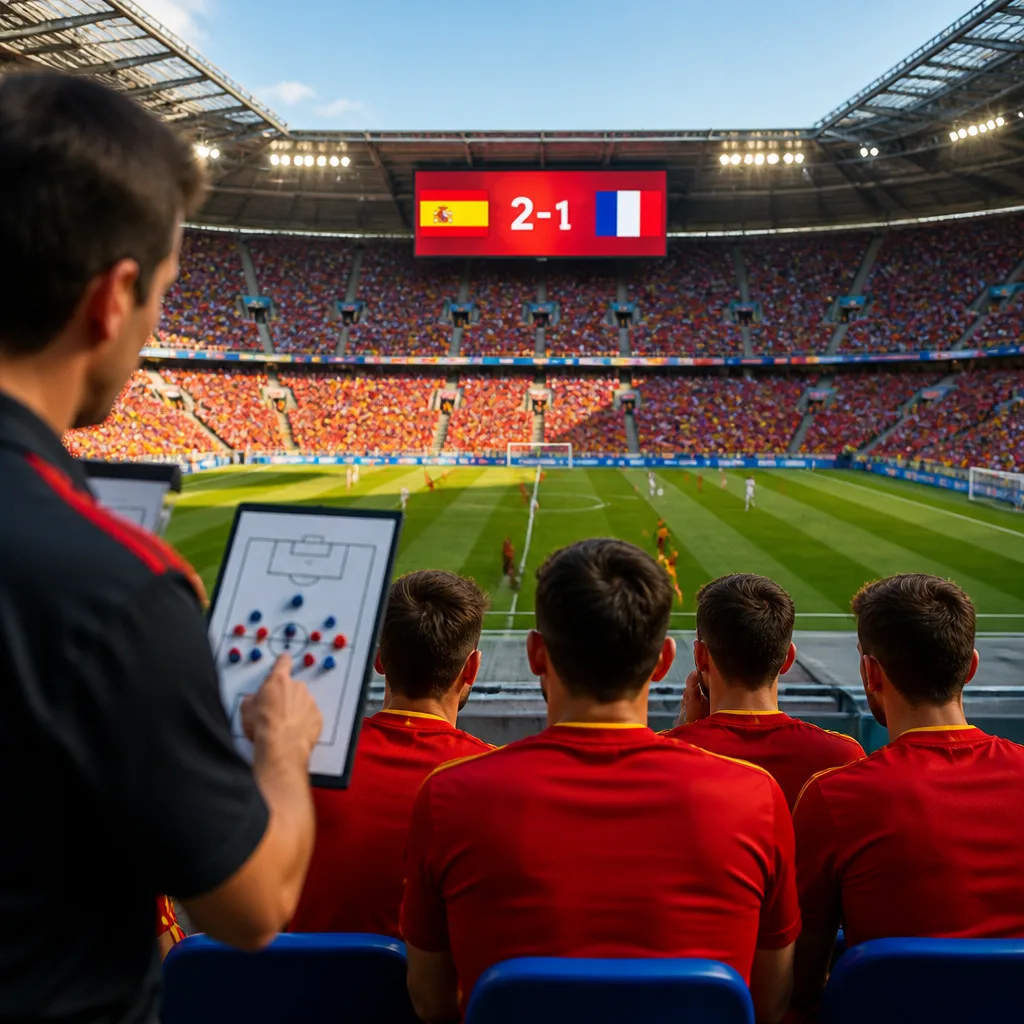
The 2026 World Cup's focus on big-name narratives did not stop Spain producing a collectively calculated performance to reach the final, leaving France on the wrong end of a match in Dallas that underlined how methodical tactics can trump individual stardom. The semi-final, played before a crowd of 70,176, illustrated that when Luis de la Fuente's plan runs smoothly it is a highly effective blueprint.
How Spain made the game about the team
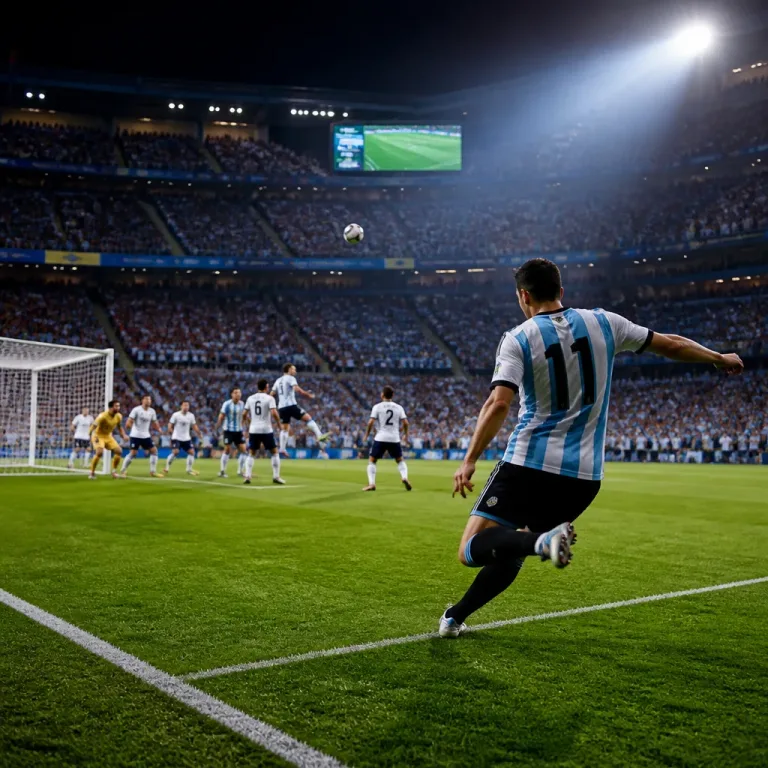
Broadcasters and much public commentary have framed the tournament as a sequence of star duels — examples like "MESSI v KANE" have become shorthand — but Spain's campaign has been defined by structure rather than spectacle. Their approach, similar to the one that won them Euro 2024, prioritises denying opponents time on the ball and finishing chances through clinical forward play.
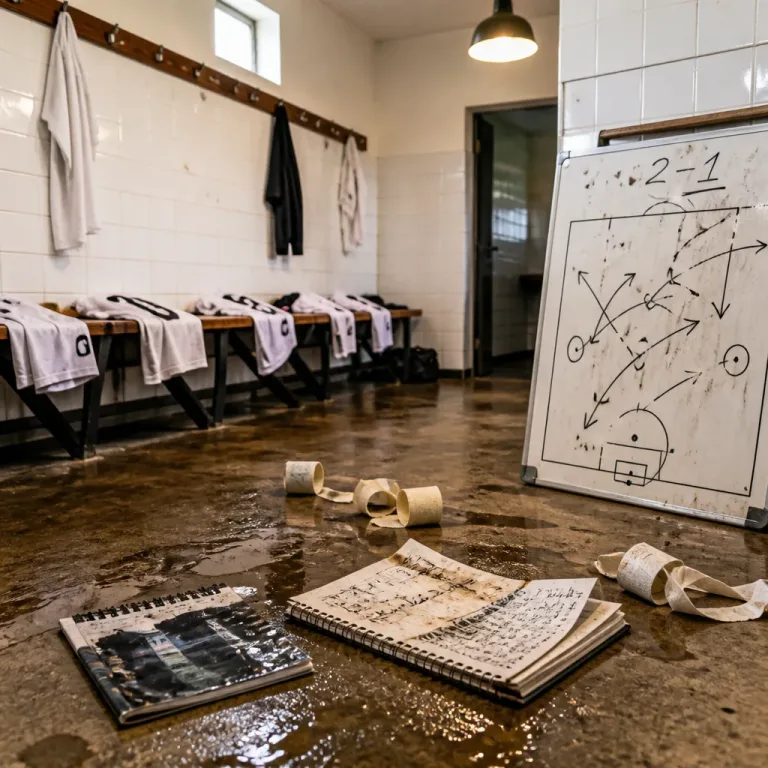
Key features of the Spanish model in the semi-final included a deep defensive organisation, midfield shielding and targeted attacking returns that left France unable to impose their usual fluency. That pattern was evident in the roles occupied by certain players: the midfield anchor granted greater freedom to creative teammates, full-backs and wingers provided width and penetration, and the striker converted the opportunities created.
"MESSI v KANE"
- Rodri — the midfield fulcrum whose protection and positioning allowed others to press and attack.
- Álvaro Morata — the forward who took the chances Spain fashioned.
- Lamine Yamal — a young winger whose influence was felt despite not showing his full, pre-injury best.
From Euro success to World Cup control
The same mechanics that propelled Spain to continental success reappeared in Dallas. The manager's emphasis is not on creating headline-grabbing moments for individuals but on a sequence of small, disciplined actions that collectively stifle opponents. France, a side lauded for its attacking talent, found itself thwarted by Spain's coherence — a reminder that possession and flair do not automatically translate into control when the opposing set-up is organised and intent on neutralising threats.
Spain's goalkeeper also played a part in the tactical shape by frequently leaving his line, enabling the team to position higher up the pitch. That willingness to operate as a compact unit, from back to front, allowed them to press and recover in numbers and turn defensive solidity into attacking opportunities.
| Player | Role in match |
|---|---|
| Rodri | Midfield anchor / shielding |
| Álvaro Morata | Finisher / leading striker |
| Lamine Yamal | Wide attacker / impact from the right |
| Unai Simón | Goalkeeper, sweeper actions |
For British readers, the contest offers two clear takeaways. First, major tournaments are still susceptible to the limits of star-focused narratives: team systems can and do beat individual brilliance. Second, Spain’s blueprint — defensive discipline married to efficient attacking — provides a timely reminder that tried-and-tested tactical structures remain decisive in high-pressure knockout games.
As the World Cup reaches its climax, Spain’s pragmatic execution poses a direct challenge to the expectation that tournaments are decided by moments of individual genius. In Dallas, their collective plan was enough to determine who would contest the trophy on the biggest stage.