
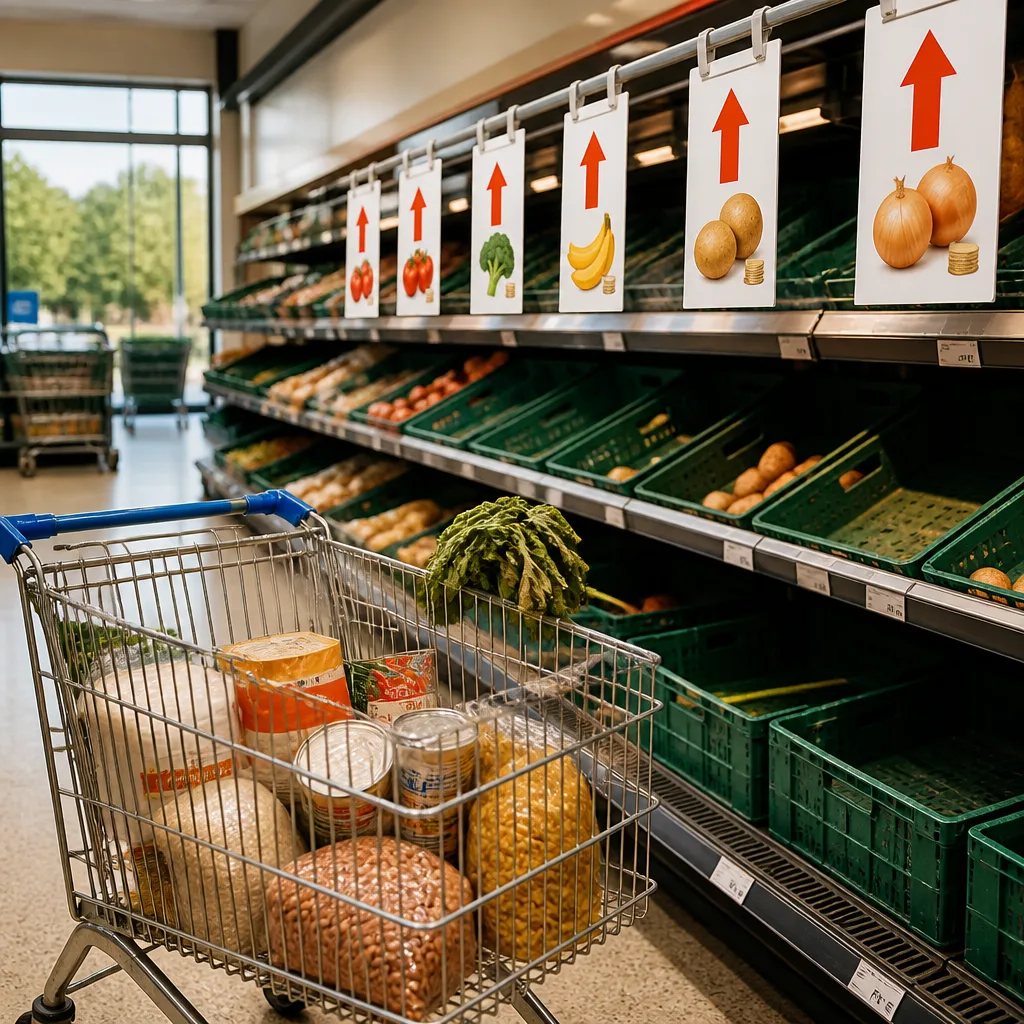
The United Nations' Food and Agriculture Organization (FAO) has warned that the cost of a diet that meets all nutritional needs has risen markedly, placing adequate nutrition out of reach for a substantial share of the world's population.
How much does a healthy diet cost?
According to FAO calculations, the current price of a nutritious diet is about $4.28 per person per day once adjustments are made for differences in living costs between countries. That figure now exceeds the international benchmark for extreme poverty, which the UN sets at $3.00 per person per day, signalling that many people living above the extreme poverty threshold still cannot afford foods that meet recommended nutritional standards.
Scale of the problem
The FAO's chief economist, Máximo Torero Cullen, told reporters ahead of the organisation's State of Food Security and Nutrition in the World report that this gap matters because it is not a shortage of calories that drives the cost but the price of nutrient‑rich foods. The FAO estimates that 2.69 billion people — almost one in three globally — are unable to afford a healthy diet.
“Calories are relatively inexpensive, but nutrition is not,”
Torero emphasised that staple foods supply most daily calories at low cost, while foods that supply essential vitamins and minerals are disproportionately expensive.
What drives the cost
- Staple foods (grains, roots) contribute the bulk of calories but make up only 13% of the cost of a healthy diet.
- Fruits and vegetables deliver a small share of calories (5%) but account for 16% of the total cost.
- Animal‑source foods are estimated to represent almost 30% of the cost of a nutritious diet.
The FAO notes that over the past five years the global cost of a healthy diet has climbed by approximately 25%, a rise that has outpaced the movement of the extreme poverty threshold when diets are assessed in purchasing‑power terms.
Health consequences and policy implications
The World Health Organization has previously identified poor diets as a key contributor to the global burden of disease, particularly non‑communicable illnesses such as cardiovascular disease, diabetes and many cancers. The FAO analysis underscores a central policy challenge: producing enough calories is no longer the sole objective — governments and international bodies must also address affordability and access to nutrient‑rich items.
| Component | Share of calories | Share of cost of healthy diet |
|---|---|---|
| Staple foods (grains, roots) | Majority | 13% |
| Fruits & vegetables | 5% | 16% |
| Animal-source foods | — | ~30% |
The FAO's findings invite a range of responses: from targeted subsidies and food‑price policies to investments aimed at reducing production and distribution costs for perishable, nutrient‑dense foods. Any intervention will need to weigh affordability, nutritional quality and environmental considerations, as well as being tailored to local food systems.
This analysis will be published in full in the forthcoming State of Food Security and Nutrition in the World report, due to be launched on 21 July, when policymakers and health authorities will have the opportunity to examine the underlying data and consider appropriate responses.