
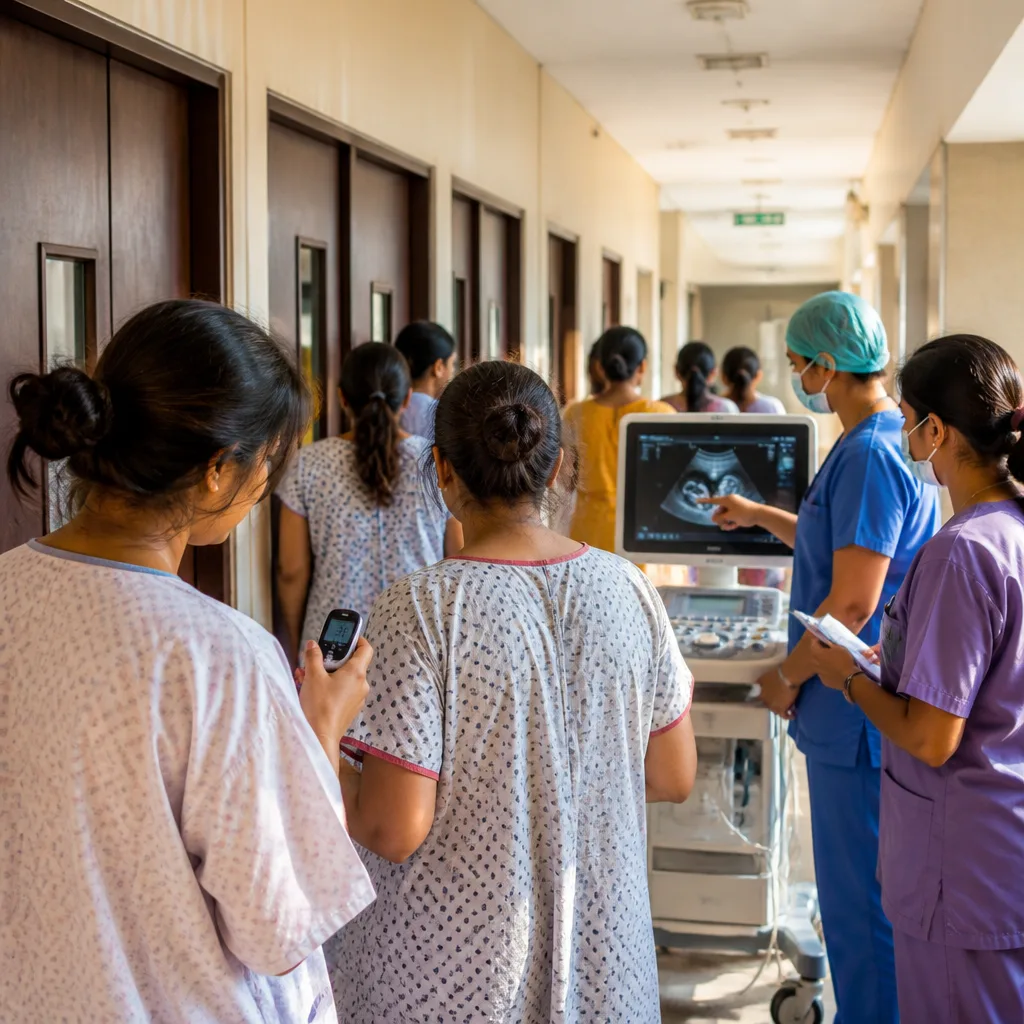
A tertiary care hospital in Delhi says that roughly one in four women who delivered there over the past eight years had a high-risk pregnancy, underscoring growing pressures on maternal health services as lifestyle and demographic factors change.
What the hospital reported
Aakash Healthcare, which began providing maternity services in 2017, has recorded about 10,000 deliveries to date. Clinicians at the centre say approximately 25 per cent of those pregnancies required specialised care involving multiple departments because of complications that could endanger both mothers and babies.
“We are seeing more women entering pregnancy with conditions such as obesity, diabetes, hypertension, thyroid disorders and polycystic ovary syndrome (PCOS). Delayed motherhood and the increasing use of assisted reproductive technologies have also contributed to pregnancies that require closer monitoring,”
The statement came from Dr. Madhulika, Senior Consultant in Obstetrics and Gynaecology at Aakash Healthcare. She emphasised that with consistent antenatal surveillance and timely intervention most women can still have healthy outcomes.
Common complications and why they matter
The hospital listed several problems that place pregnancies into the high-risk category. These include:
- Gestational diabetes
- Pregnancy-induced hypertension
- Severe anaemia
- Thyroid disorders
- Cardiac disease
- Obesity and multiple pregnancies
- Previous caesarean sections and other chronic conditions
These complications raise the risk of maternal morbidity, preterm birth and neonatal problems and frequently require care from obstetrics, endocrinology, cardiology and neonatology teams.
Data at a glance
| Metric | Value |
|---|---|
| Total deliveries since 2017 | 10,000 |
| Proportion classed high-risk | ~25% |
Context and consequences
Medical research cited by the hospital aligns with global trends: complications in pregnancy are becoming more frequent as women delay childbearing, and as rates of obesity, diabetes and hypertension rise. Assisted reproductive technologies are increasing the number of multiple pregnancies and pregnancies in older women, which also may require closer monitoring.
The hospital notes that early and regular antenatal care, screening for metabolic and cardiovascular conditions, and coordinated multidisciplinary management are central to reducing adverse outcomes. The report signals potential strain on tertiary services as they manage a growing share of complex pregnancies, with implications for resource planning and specialist staffing.
For expectant parents, the message is practical: attend scheduled antenatal visits, discuss any pre-existing conditions with clinicians early, and seek timely care for symptoms such as high blood pressure, excessive weight gain, unusual bleeding or reduced fetal movements.